Ways to Secure Personal Data: Protecting Your Digital Life
In today's digital landscape, safeguarding personal data is more crucial than ever. With the rise of identity theft, data breaches, and cyber threats, it's essential to take proactive steps to protect your personal information. In this article, we will explore the critical ways to secure personal data, so you can maintain your digital sanity and online security.
1. Encrypt Your Personal Data
Encryption is a powerful method to ensure your data remains confidential and secure. By using encryption software, you can scramble your data, making it unreadable to unauthorized individuals. This is a fundamental way to secure personal data, as even if your device is compromised, your data will remain encrypted.
2. Use Strong Passwords and a Password Manager
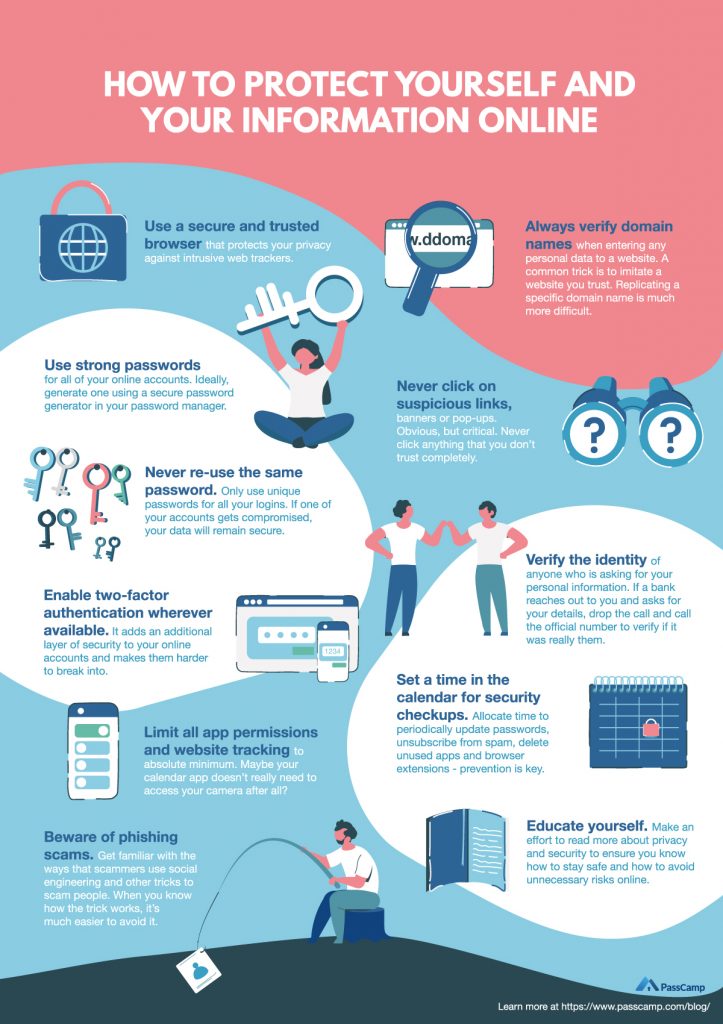
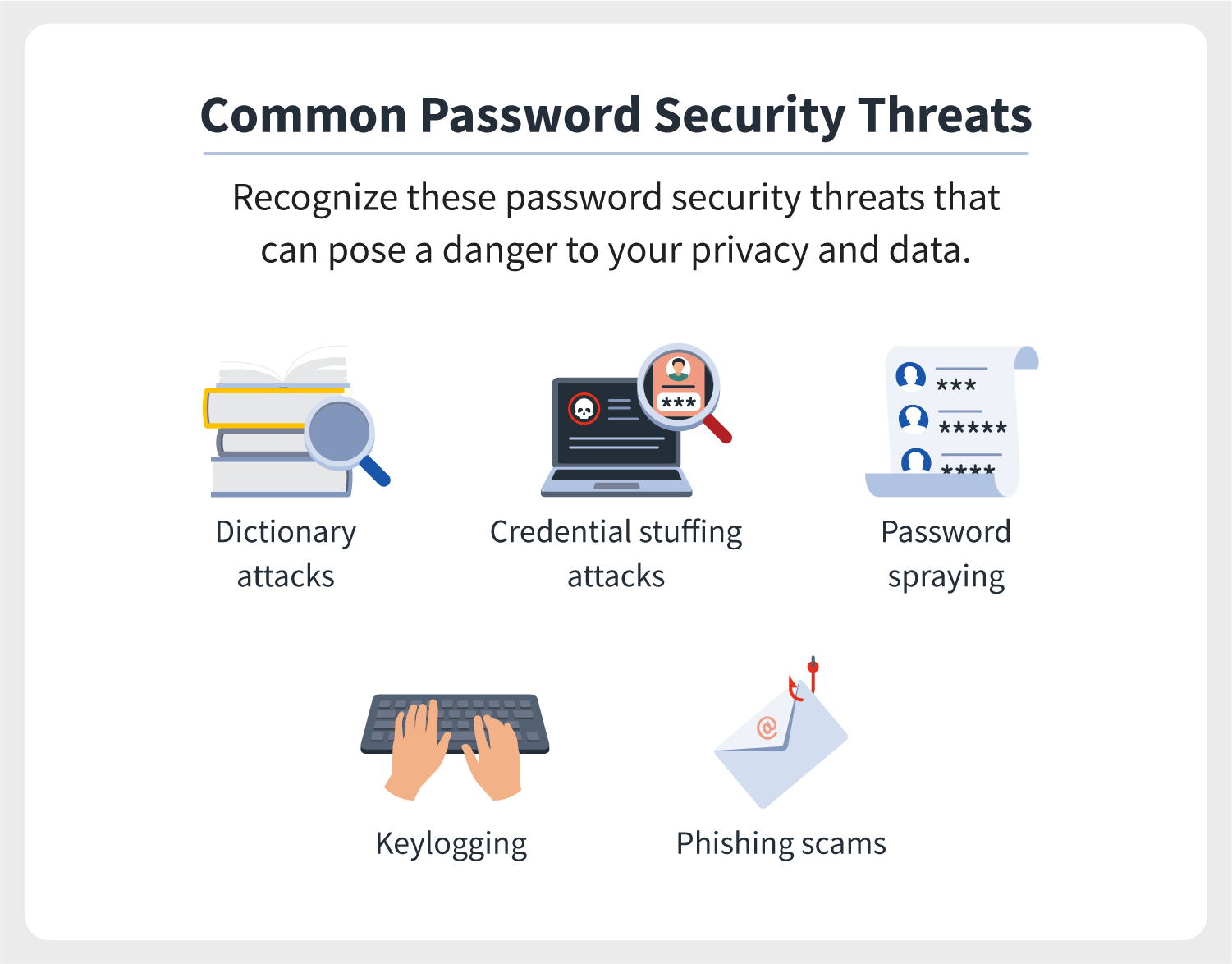
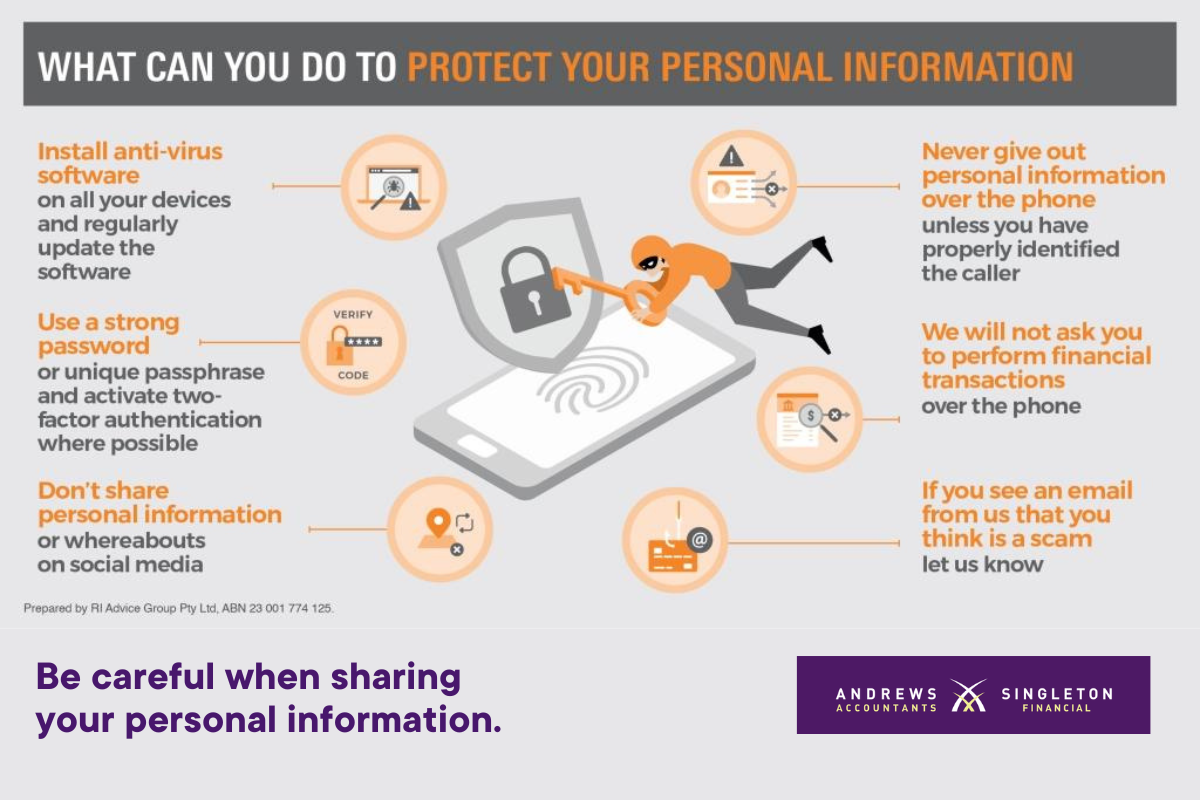
Weak passwords are a significant vulnerability for cybercriminals to exploit. To protect your personal data, use a strong password generator to create unique and complex passwords for each account. Consider using a password manager to securely store all your login credentials.
3. Keep Software and Apps Up-to-Date
Outdated software and apps leave you vulnerable to security threats. Regularly update your operating system, browser, and other software to ensure you have the latest security patches and features. This is a critical way to secure personal data, as it prevents cybercriminals from exploiting known vulnerabilities.
4. Be Cautious with Public Wi-Fi
Public Wi-Fi hotspots are breeding grounds for cyber threats. When using public Wi-Fi, avoid accessing sensitive information, such as online banking or personal data, to minimize the risk of data breaches. Consider using a virtual private network (VPN) to encrypt your internet connection.
5. Implement Two-Factor Authentication (2FA)
Two-factor authentication adds an extra layer of security to your online accounts. By requiring a second form of verification, such as a code sent to your phone or another device, you'll significantly reduce the risk of unauthorized access to your personal data.
6. Monitor Your Bank and Credit Card Statements
Regularly review your financial statements for any suspicious activity. Monitor your credit report to detect potential identity theft and data breaches.
7. Disable Location Services and Tracking
Disable location services and tracking features on your devices, especially when using public Wi-Fi. This will prevent cybercriminals from accessing your location and other sensitive information.
8. Avoid Oversharing Personal Information
Oversharing your personal information on social media can create vulnerabilities that hackers can exploit. Be cautious about sharing sensitive information, such as your home address, phone number, or financial data.
9. Use a Firewall and Antivirus Software
A firewall and antivirus software work together to protect your device and data from various threats. Ensure you have both installed and regularly updated on your device to maintain a secure environment.
10. Regularly Back Up Your Data
Regularly back up your personal data to prevent losing important information in case of a data breach or device failure. Use a secure cloud storage service, such as OneDrive or Google Drive, to store your backups.
By implementing these ways to secure personal data, you'll be better equipped to defend against cyber threats and maintain your online security. Remember to stay vigilant and adapt these practices to fit your specific needs, as technology and cyber threats continue to evolve.
Additional Tips
- Avoid using public computers or public networks for sensitive activities.
- Use a secure browser extension, such as a ad blocker or anti-tracking plugin.
- Be cautious when using public Wi-Fi for online transactions.
- Report any suspicious activity to your bank or credit card company.