Writing a Check in Exchange for Cash: What You Need to Know
The Risks and Rewards of Writing a Check to Cash
Writing a check in exchange for cash can be a convenient way to get money quickly, but it's essential to understand the risks involved. A check made payable to cash can be cashed by anyone who has it, which can lead to identity theft or financial loss if the check is lost or stolen.Why Would You Write a Check to Cash?
There are several reasons why you might want to write a check to cash, including:- You need cash quickly and don't have access to a bank or ATM.
- You're traveling and need local currency.
- You're in a situation where you can't access your bank account or debit card.
The Risks of Writing a Check to Cash
While writing a check to cash can be convenient, there are several risks involved, including:- The check can be cashed by anyone who has it, which can lead to identity theft or financial loss.
- Some banks may refuse to cash a check made payable to cash or put a hold on it to prevent fraud.

How to Write a Check to Cash
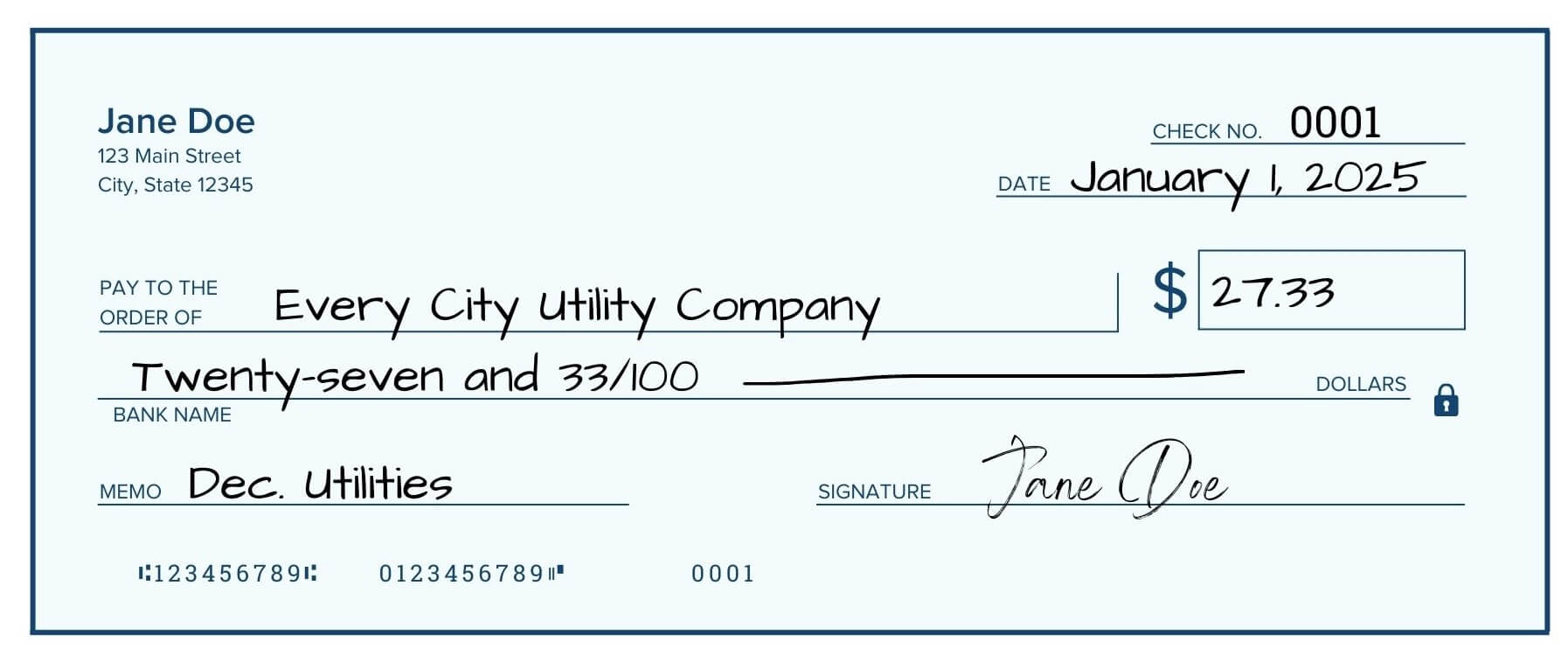
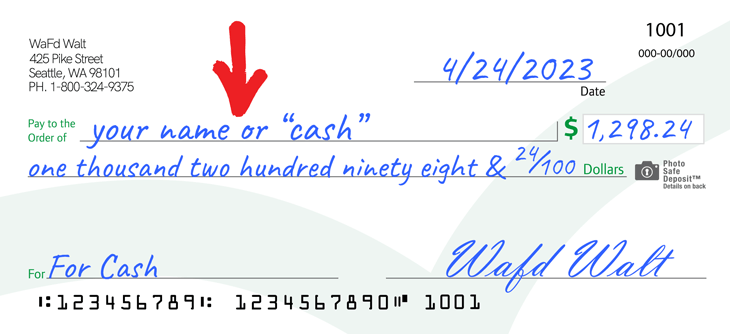
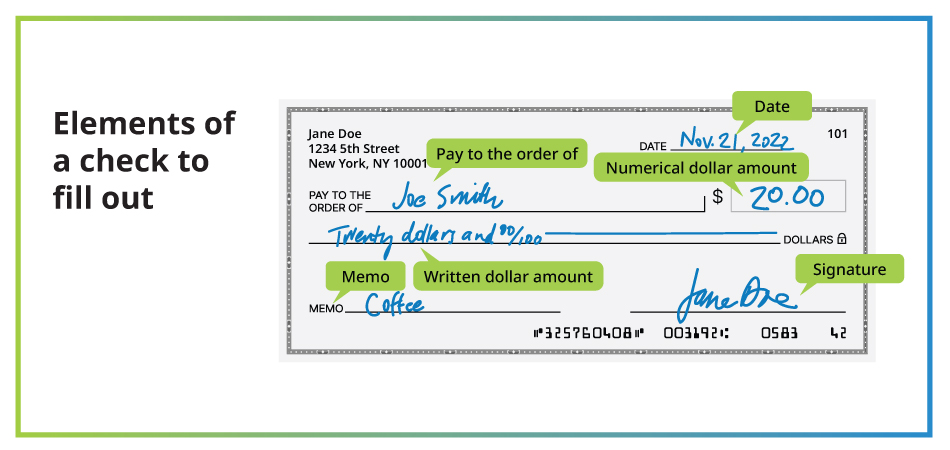
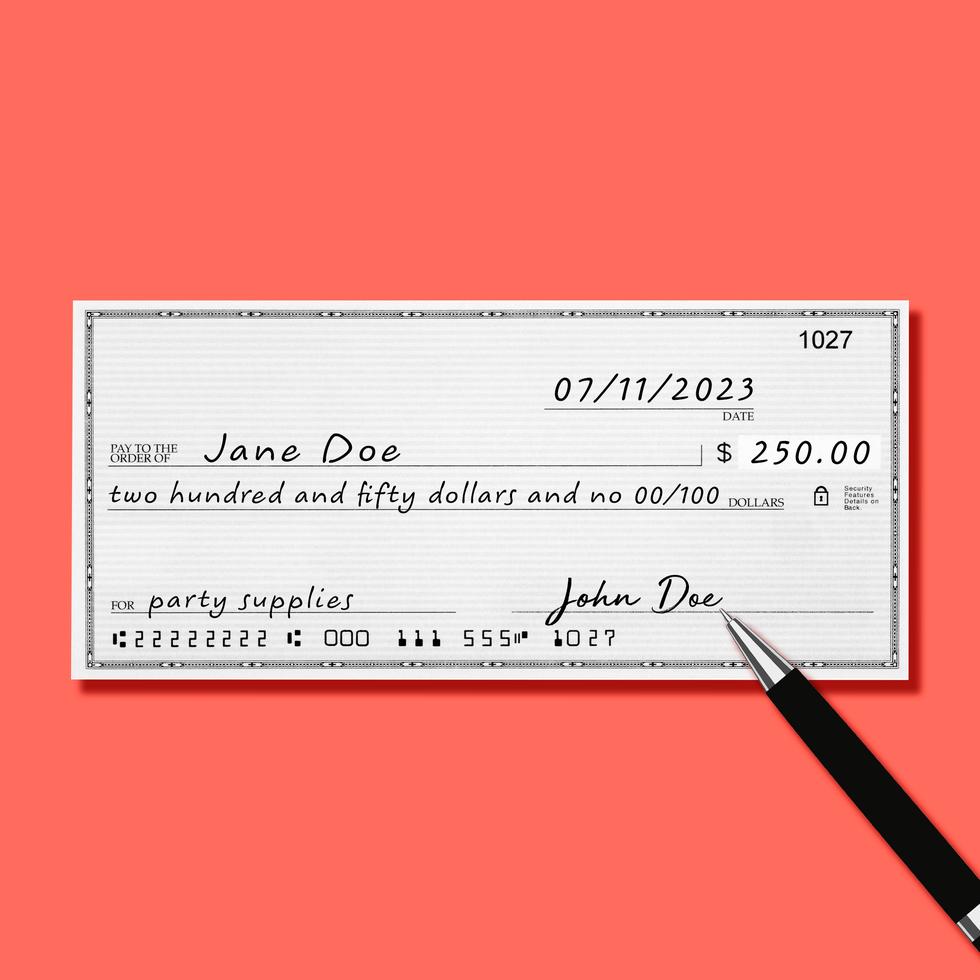
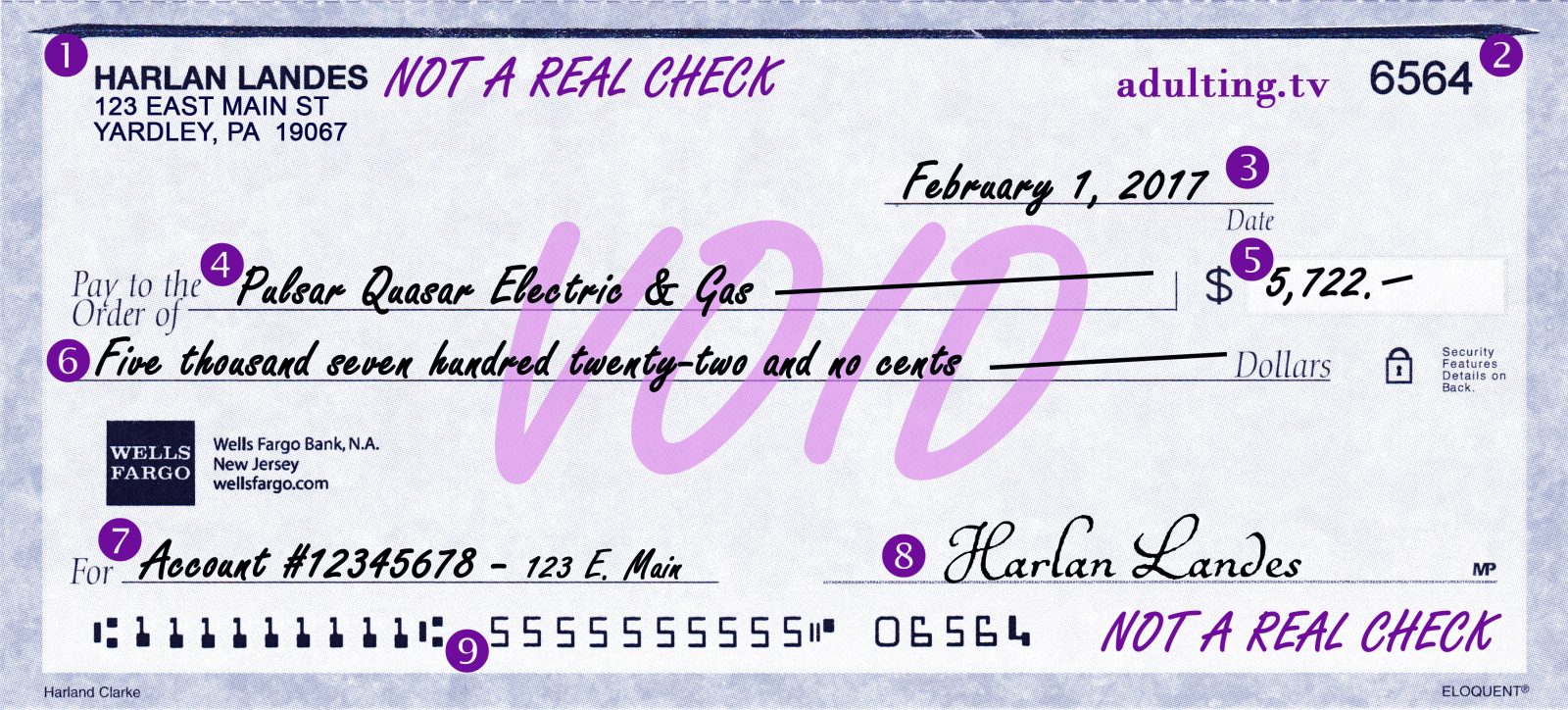
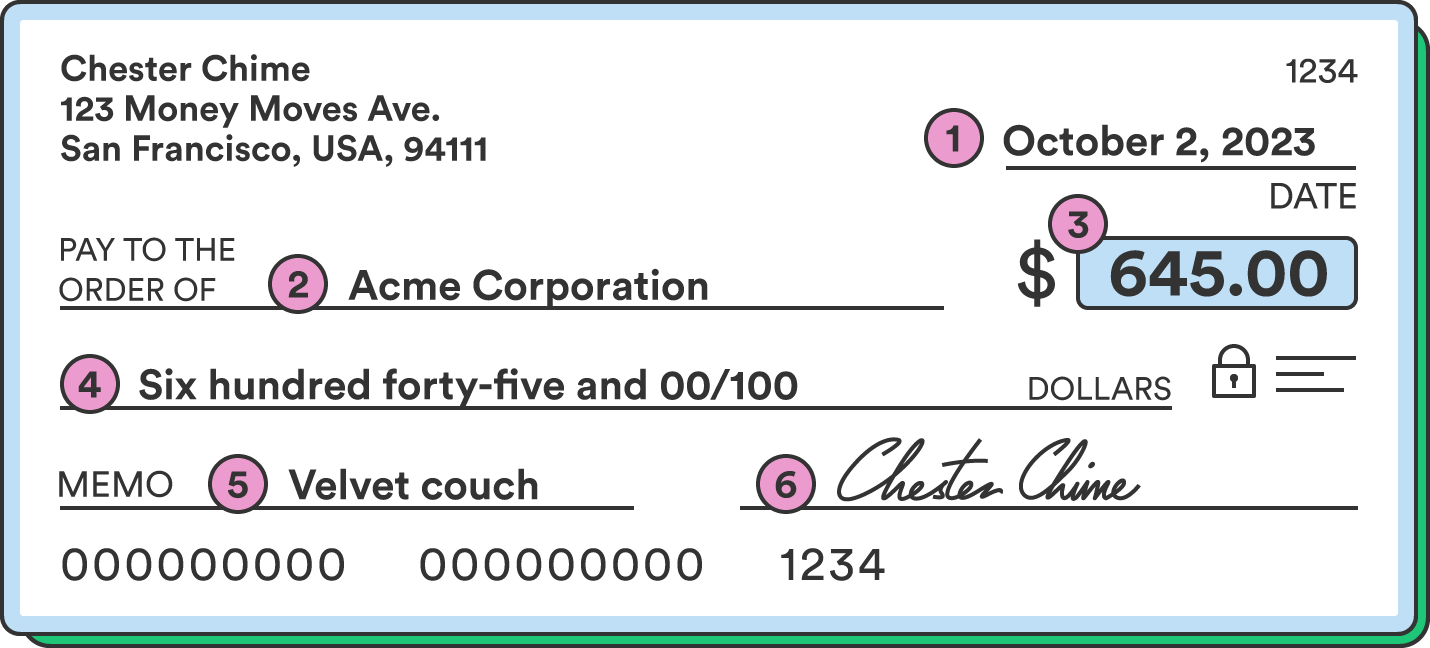
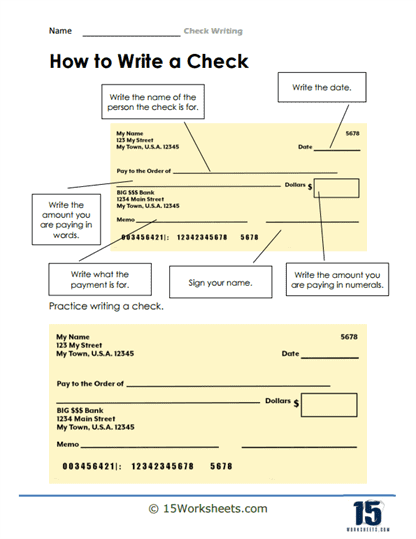
If you do decide to write a check to cash, here are the steps to follow:- Start by writing the date in the top right-hand corner of the check.
- Write the payee's name (in this case, "cash") in the payee line.
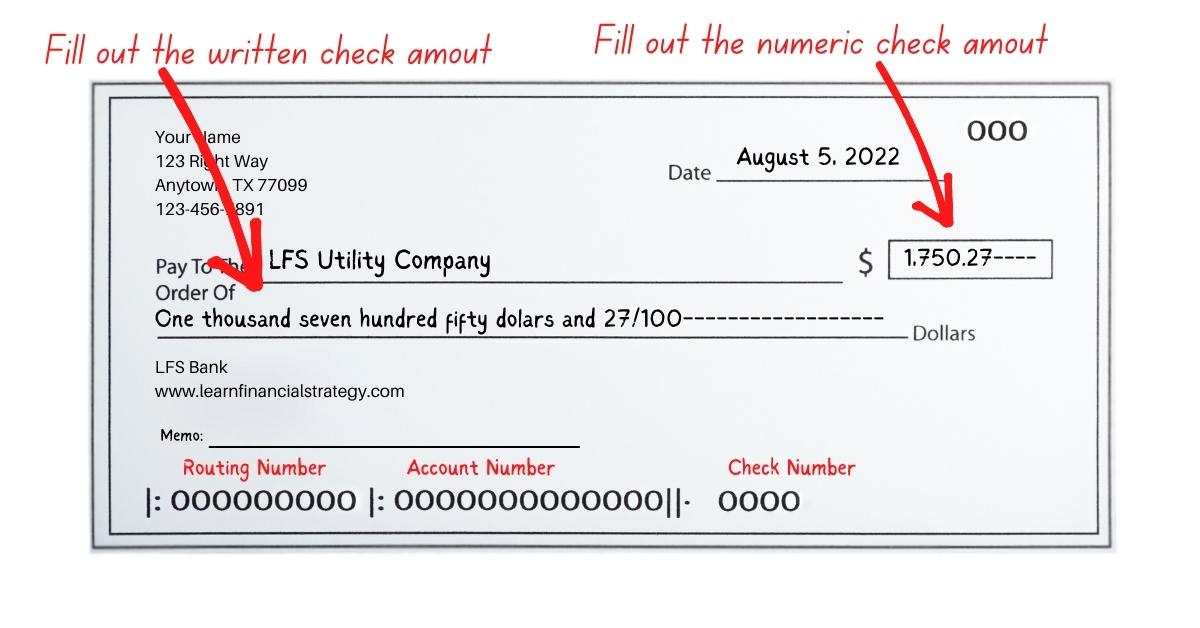
- Write the amount of the check in both numbers and words in the amount line.
- Sign the check on the bottom right-hand side.
- Cash the check at a bank or check-cashing service.
Alternatives to Writing a Check to Cash
If you're looking for alternative ways to get cash quickly, here are a few options:- Use a debit card or credit card to withdraw cash from an ATM.
- Use a mobile payment service like Apple Pay or Google Pay.
- Use a check-cashing service or a payday lender (but be aware of the fees and interest rates).