Can Pregnant Women Have Coffee Safely?
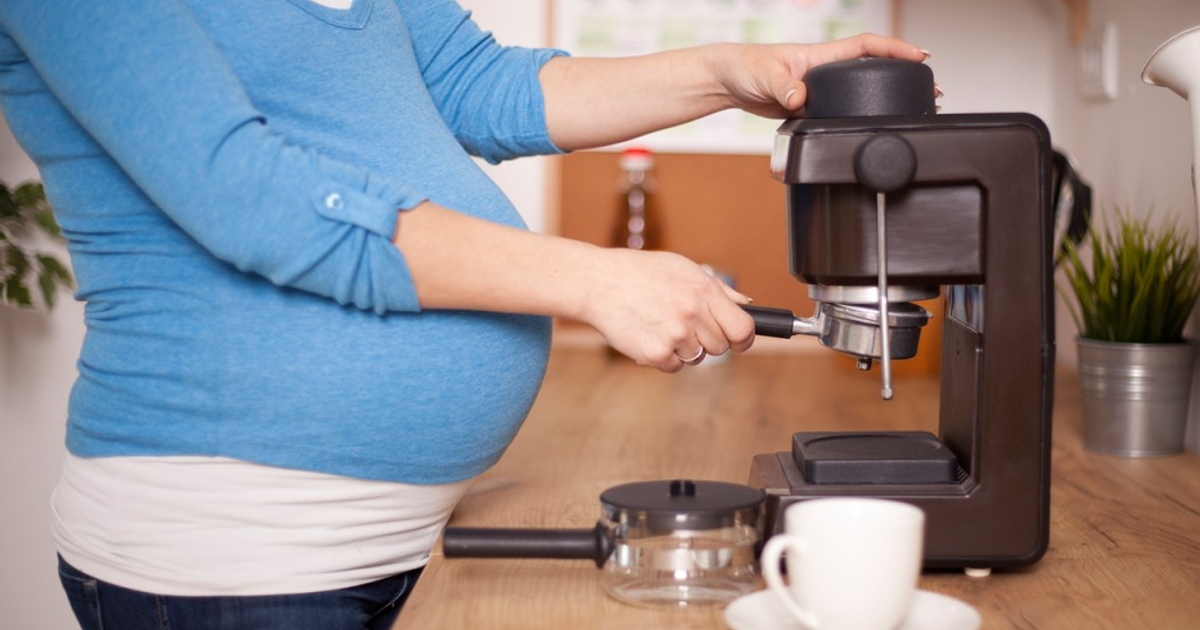
If you're expecting a baby, you may have concerns about what you can and cannot consume during this critical period. One of the most common questions expectant mothers ask is whether it's safe to drink coffee. The answer is not a simple yes or no, as it depends on various factors, including the amount of coffee consumed and the individual's sensitivity to caffeine.How Much Caffeine Can You Have While Pregnant?
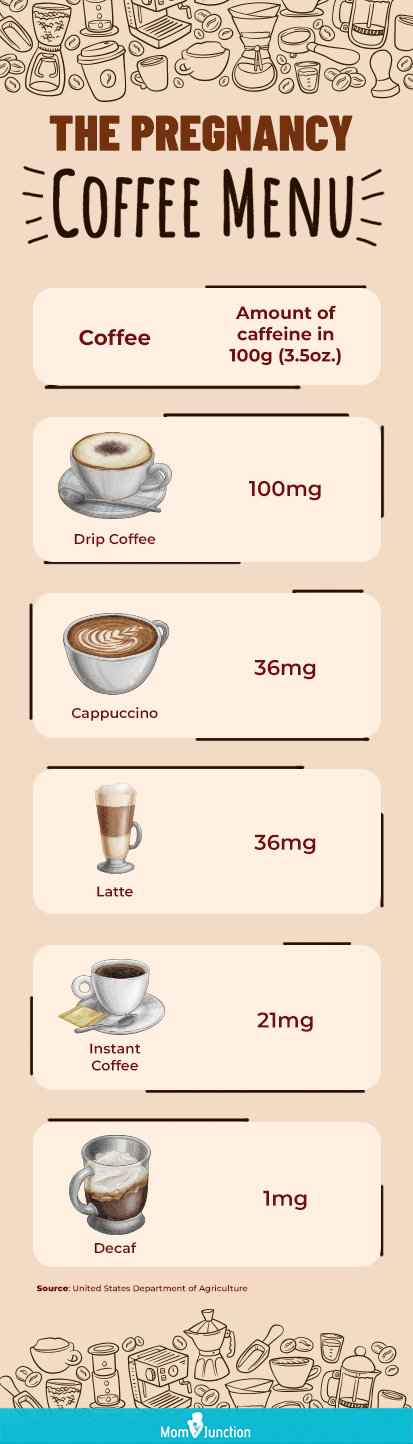
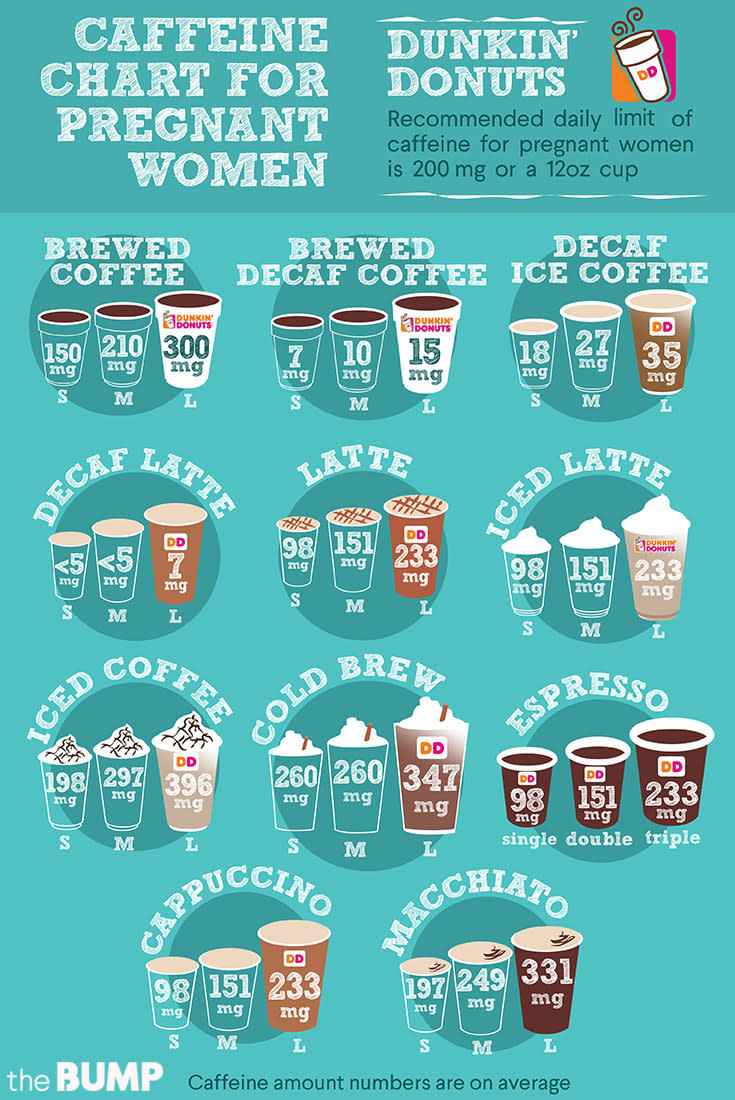
Caffeine is a stimulant and a diuretic, which means that it can increase blood pressure and heart rate, both of which are not recommended during pregnancy. Research suggests that moderate caffeine consumption, up to 200 mg of caffeine per day, is typically considered safe during pregnancy. But what does that mean in terms of coffee consumption?How Much Caffeine is in Your Favorite Cup of Coffee?
The amount of caffeine in a cup of coffee can vary greatly depending on the brand, type, and brewing method. On average, an 8-ounce cup of coffee contains around 95-200 mg of caffeine. However, some coffee drinks can contain much more caffeine than that, especially if they are made with high-end coffee beans or are designed to be extra-strong.What are the Risks of Caffeine Consumption During Pregnancy?
While moderate caffeine consumption is generally considered safe, high levels of caffeine may pose a risk to both the mother and the baby. Some potential risks of caffeine consumption during pregnancy include:- Increased risk of miscarriage
- Premature birth
- Low birth weight
- Increased heart rate and blood pressure
- Withdrawal symptoms in the baby

Alternatives to Coffee During Pregnancy
If you're concerned about the amount of caffeine in your coffee or want to reduce your caffeine intake during pregnancy, there are still plenty of delicious and safe options to choose from. Some alternatives to coffee include:- Decaf coffee or tea
- Herbal teas, such as peppermint, chamomile, or raspberry tea
- Black or green tea, which contain less caffeine than coffee
- Hot chocolate, made with milk or a non-dairy alternative
- Infused water, such as lemon and mint or cucumber and lime