Configuring Hardware Router: A Comprehensive Guide
Configuring a hardware router can be a daunting task, especially for those who are new to network administration. However, with the right guidance, you can set up your router and enjoy a fast and secure internet connection. In this article, we will provide a step-by-step guide on how to configure a hardware router, including the setup process, security settings, and advanced configuration options.
Why Configure Your Router?
Configuring your router is essential for optimizing your network's performance, ensuring security, and getting the most out of your internet connection. A properly configured router can improve your internet speeds, provide better network coverage, and offer advanced features and security options.
Step 1: Unpacking and Connecting Your Router
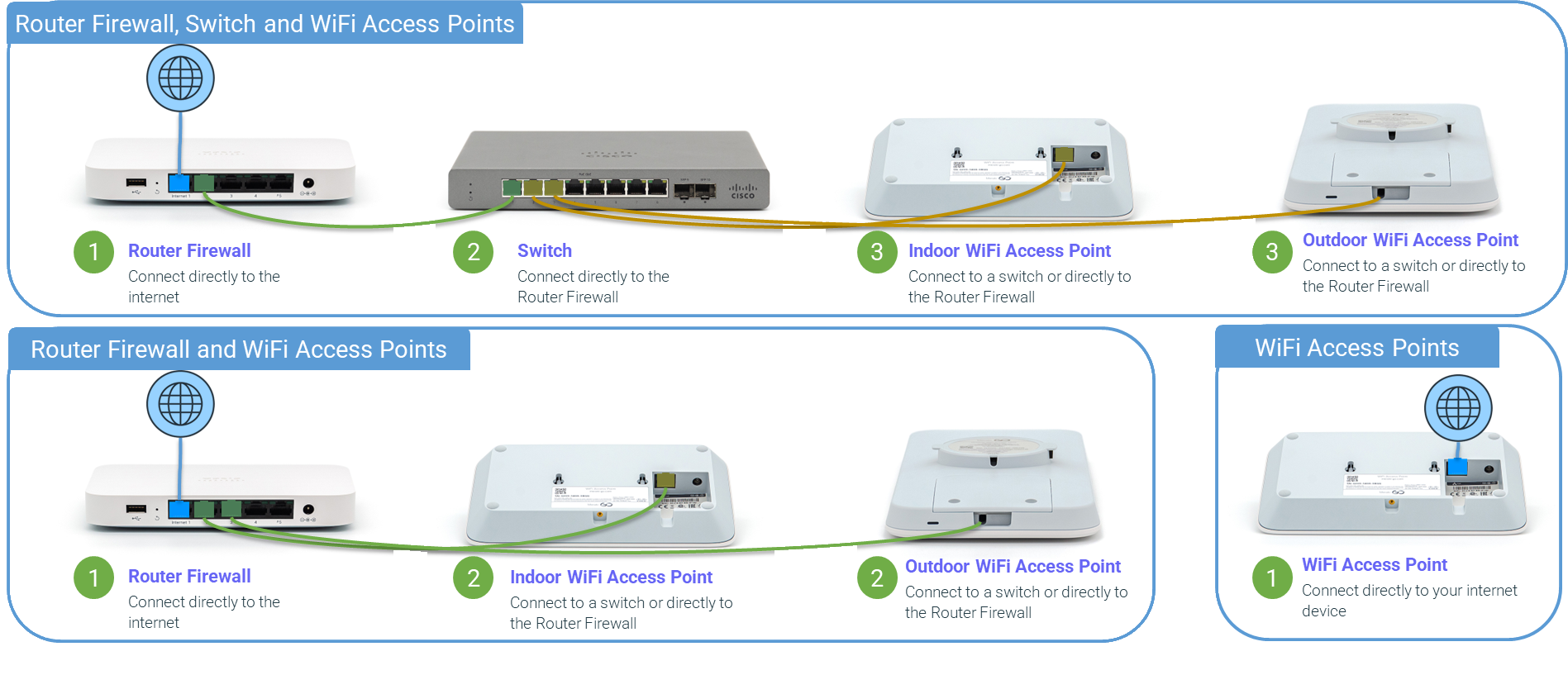
Before you start configuring your router, you need to unpack it and connect it to your devices. Follow the manufacturer's instructions to install your router and connect it to your modem. Make sure to place your router in a convenient location, such as an open floor space or table, to ensure easy access and deployment.
Step 2: Accessing the Router's Web Interface
To access the router's web interface, you need to open a web browser and enter the router's IP address. The IP address is usually printed on the bottom or back of the router. Log in to the router using the default username and password, which can also be found on the router's packaging or documentation.
Step 3: Changing the Router's Settings
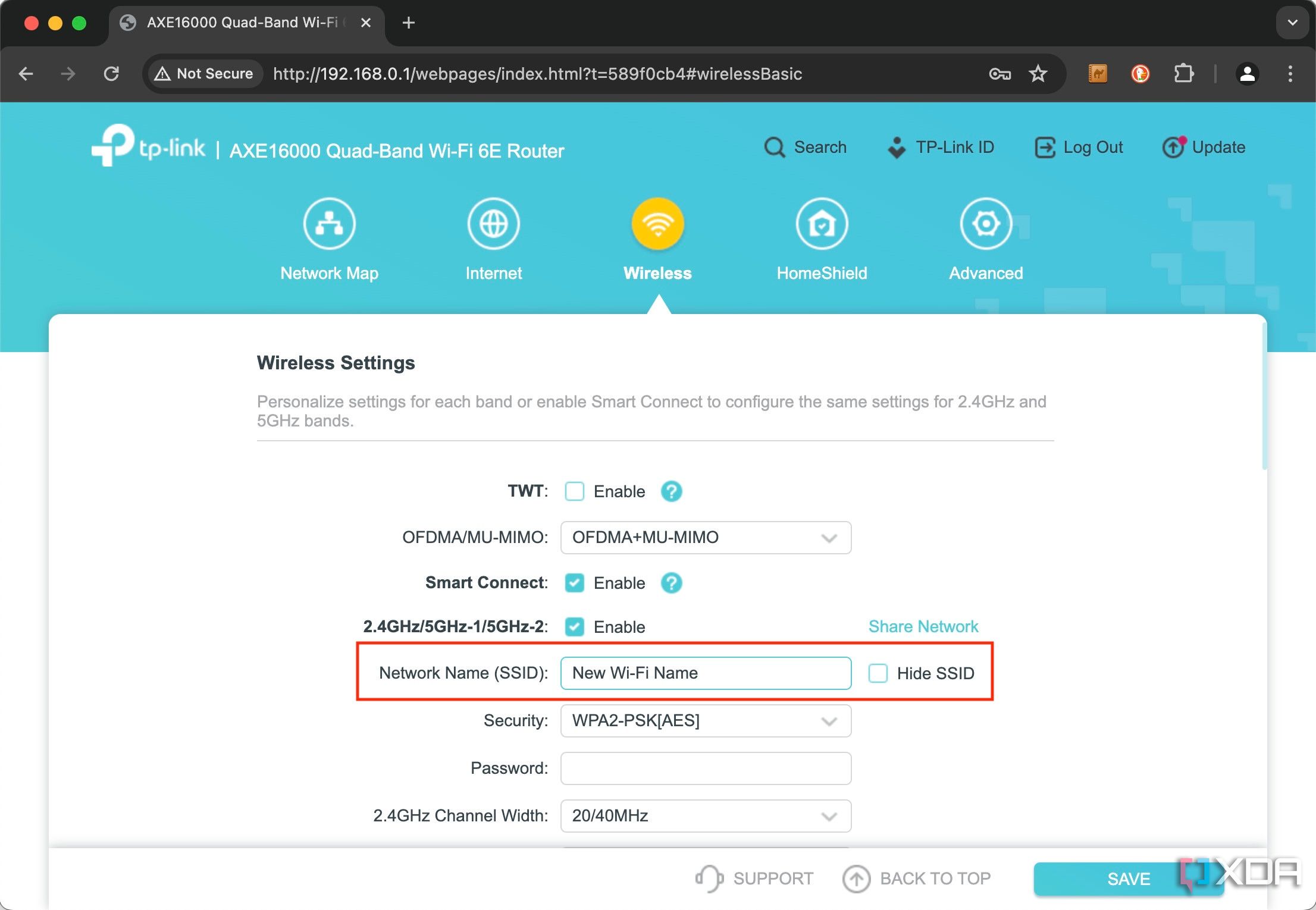
Once you are logged in to the router's web interface, you can access and change the router's settings. Change the network's name, password, and security options to ensure your network is secure and private. You can also configure the router's wireless settings, such as channel selection and bandwidth, to optimize your network's performance.
Step 4: Configuring Advanced Settings
Advanced configuration options can improve your network's speed and reliability. You can configure settings such as Quality of Service (QoS), Virtual Private Networks (VPNs), and Domain Name System (DNS) to suit your specific needs. Be sure to follow the manufacturer's instructions and recommendations for configuring these advanced settings.

Step 5: Saving and Testing Your Configuration
After configuring your router's settings, save your changes and test your network to ensure everything is working properly. Check your internet connection, wireless connectivity, and network speed to ensure you are getting the most out of your router.
Common Router Configuration Mistakes
Configuring a router can be complex, and mistakes can be costly. Here are some common router configuration mistakes to avoid:
- Using a default password or username that is easily guessable.
- Not changing the router's IP address or DNS settings.
- Not configuring the router's firewall or security settings.
- Not testing the network after configuring the router.
Conclusion
Configuring a hardware router requires careful planning and execution. By following the steps outlined in this article, you can set up your router and enjoy a fast and secure internet connection. Remember to avoid common configuration mistakes and take the time to test your network after configuring your router. With the right guidance, you can get the most out of your router and enjoy a seamless internet experience.
Additional Resources
If you need more guidance on configuring your router, here are some additional resources to help you:
- Router manufacturer's documentation and support.
- Online forums and communities dedicated to router configuration and troubleshooting.
- Router configuration guides and tutorials.
Remember, configuring a router is an ongoing process that requires regular maintenance and updates. Stay up-to-date with the latest router configuration best practices and manufacturer recommendations to ensure your network remains secure and performs optimally.





![[Wireless Router] How do I enter my ASUS router's setting page using ...](https://help.petrosoftinc.com/Content/Loss_Prevention_Analytics/LPA_Installation/z_LPA_installation_images/lpa_setup_diagram_thumb_550_0.png "[Wireless Router] How do I enter my ASUS router's setting page using ...")