Dopamine Loops in Motivational Strategies: Unlocking the Keys to Success
When it comes to motivation, most of us have experienced the infamous "dopamine high" – the rush of pleasure and satisfaction that comes with achieving a long-awaited goal or completing a challenging task. But have you ever stopped to think about what drives this motivational response? The answer lies in the complex interplay of dopamine and motivational strategies, a concept known as dopamine loops.
Understanding Dopamine Loops
dopamine loops are a natural and essential part of human behavior, driving motivation and productivity. However, in a world saturated with digital stimuli and instant gratification, it's easy to fall into unhealthy cycles that can lead to addiction, burnout, and dissatisfaction. By understanding the psychology behind dopamine loops, we can break free from these unhelpful patterns and implement healthier, more productive motivational strategies.
The Science Behind Dopamine Loops
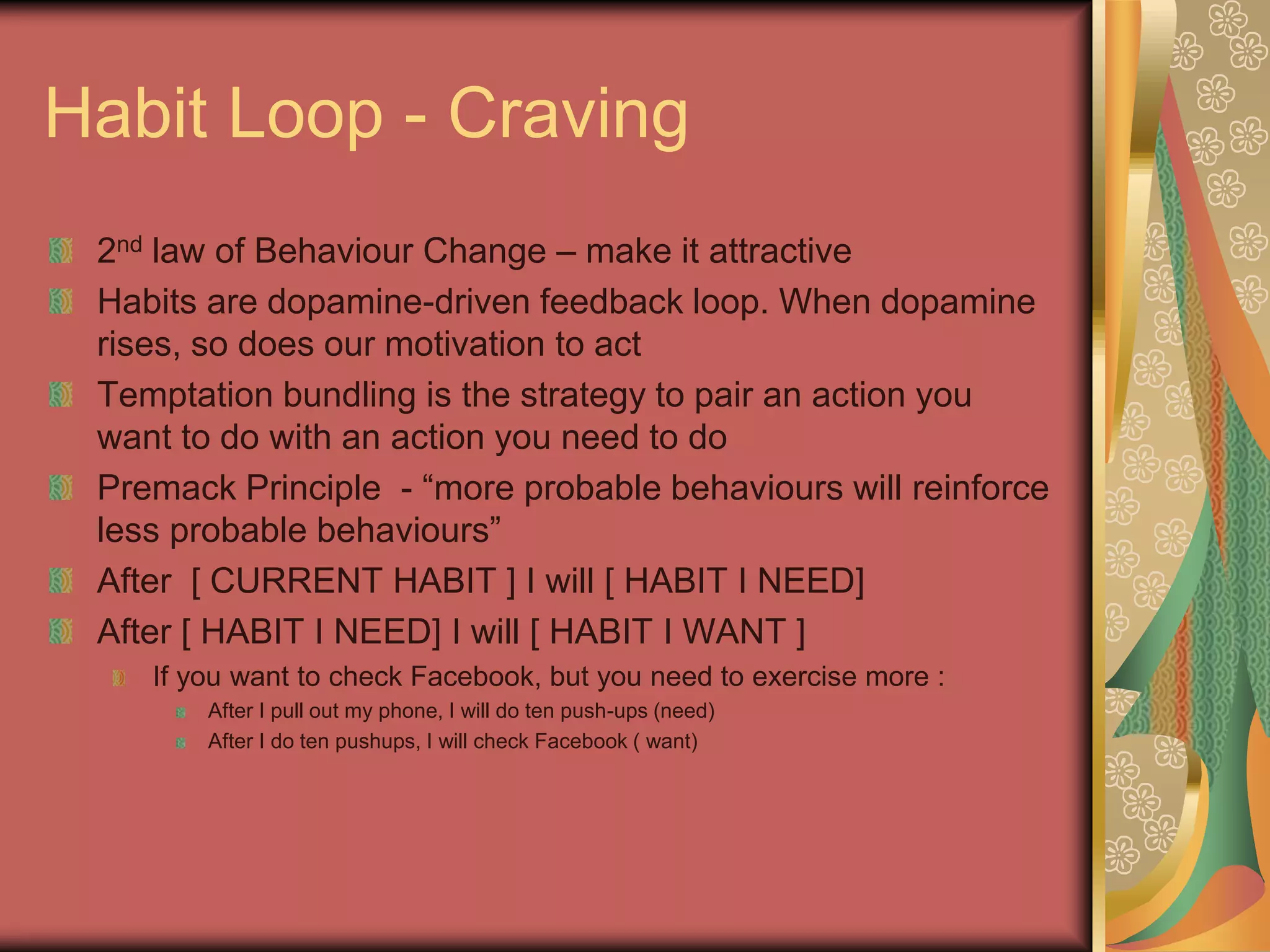
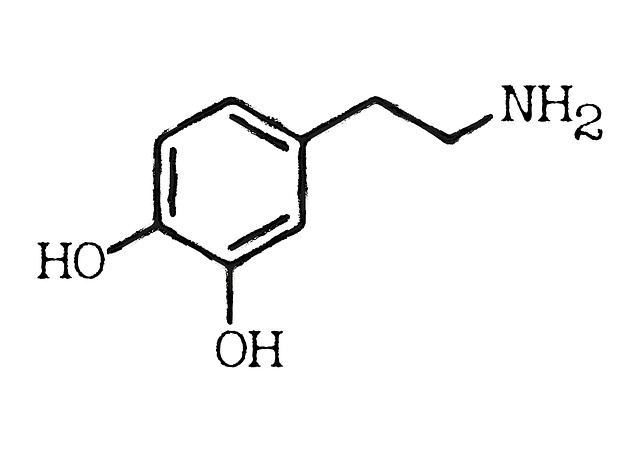
Dopamine is often referred to as the "motivation" or "wanting" chemical, rather than the "feel-good" or "pleasure" chemical (Berridge & Robinson, 1998). Dopamine loops are created when the brain is triggered by rewarding stimuli, such as the satisfaction of completing a task or receiving validation from others. This releases dopamine, which reinforces the behavior, motivating us to repeat it.
Types of Dopamine Loops
- Variable Reward Schedules: Algorithms deliver content unpredictably, making the behavior highly addictive.
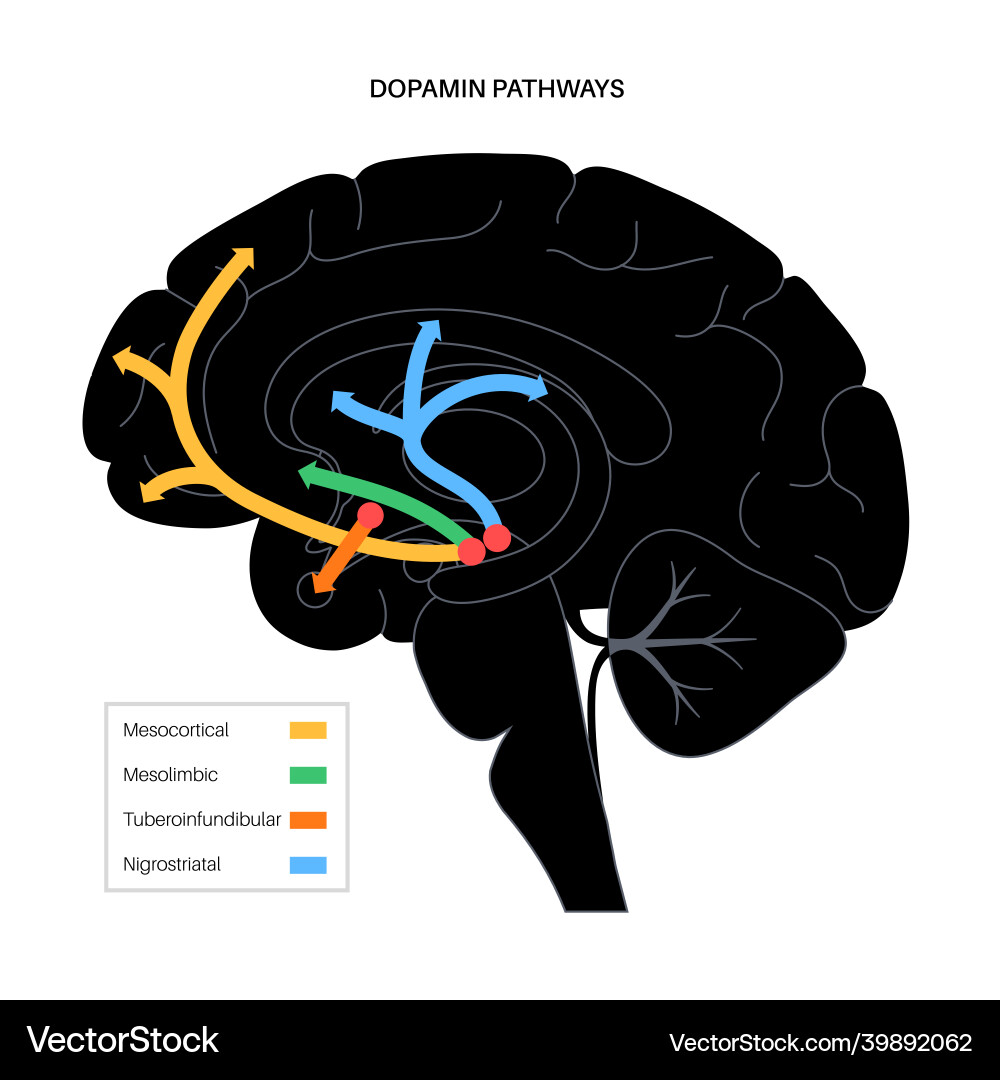
- Mesolimbic Pathway: This is the brain's reward circuit that is activated by engaging in rewarding behaviors.
- Infinitescroll: A continuous stream of content that keeps us engaged and motivated to keep scrolling.
Strategies for Tapping into Dopamine Loops

By understanding the science behind dopamine loops, we can harness its power to achieve our goals and drive motivation. Here are some strategies to tap into dopamine loops:
- Break tasks into smaller, achievable goals: By breaking down large tasks into manageable pieces, we create a sense of accomplishment and release dopamine, motivating us to continue.
- Use positive self-talk: Affirmative language and self-talk can stimulate dopamine release, boosting motivation and confidence.
- Practice mindfulness: Mindfulness practices, such as meditation and deep breathing, can increase self-awareness and help us recognize and manage our dopamine loops.
- Seek out novel experiences: Novelty and surprise trigger dopamine release, keeping our motivation and interest levels high.
The Dark Side of Dopamine Loops
While dopamine loops can be a powerful motivator, they can also lead to addiction and burnout. When we rely too heavily on external rewards or stimuli, we can create an unhealthy dependence on these triggers, leading to a sense of dissatisfaction and emptiness when they are absent.
Conclusion
Dopamine loops are a natural and essential part of human behavior, driving motivation and productivity. By understanding the science behind these loops, we can harness their power to achieve our goals and drive motivation. However, it's essential to be mindful of the potential downsides of dopamine loops and implement strategies to manage their impact on our well-being.
References:
Berridge, K. C., & Robinson, T. E. (1998). What is the role of dopamine in Reward, pleasure, reward, and motivation? Annals of the New York Academy of Sciences, 897(1), 33-34.