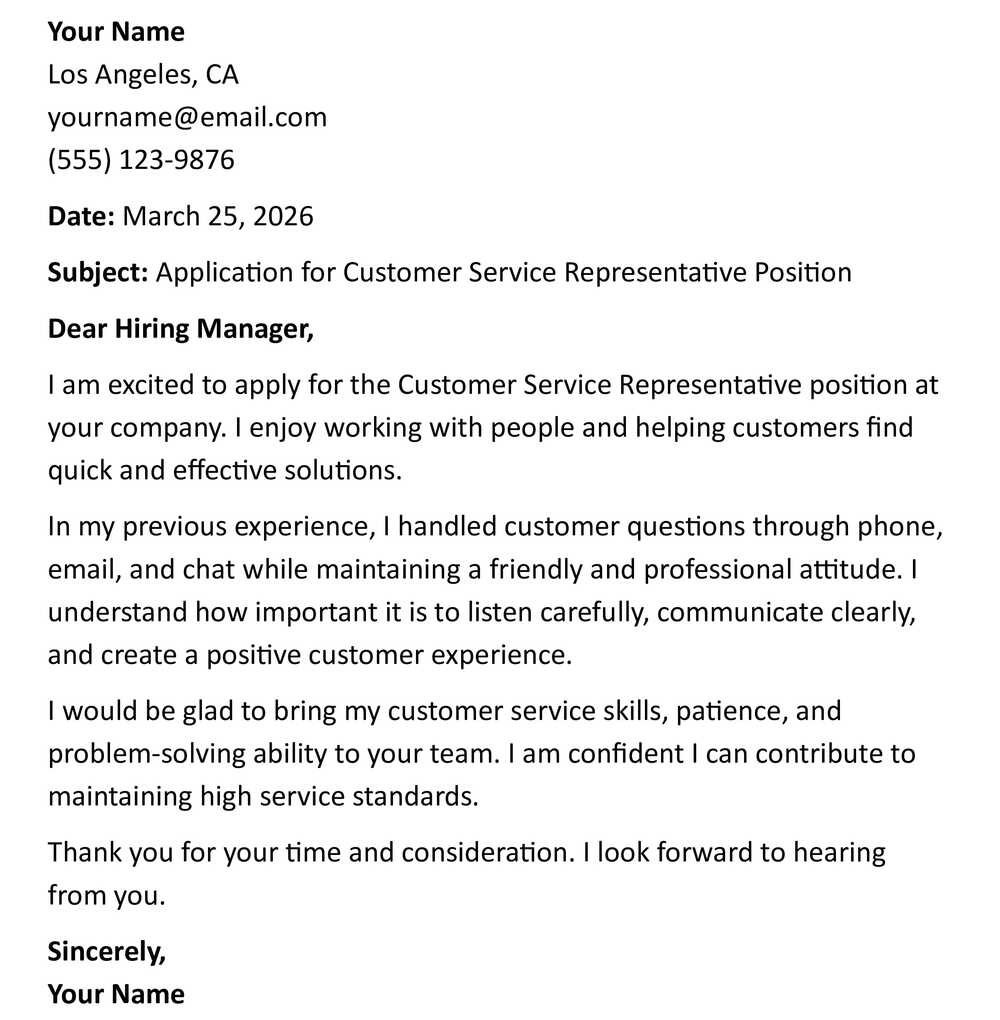
Example of a Cover Letter for a Professor Position
When applying for a faculty position at a college or university, a well-crafted cover letter is essential to showcase your academic achievements, teaching philosophy, and research goals. A strong cover letter can make a significant difference in whether you get noticed by university hiring committees. In this article, we will explore the essential elements of a faculty cover letter, including examples and tips to help you craft a compelling letter that stands out in the academic job market.
What is a Faculty Cover Letter?
A cover letter, also known as a letter of interest, is a document that accompanies your resume and is addressed to the hiring committee or department chair. Its primary purpose is to introduce yourself, highlight your qualifications, and express your interest in the position. A faculty cover letter is similar to other types of cover letters, but it has a distinct function in the academic job search process.
Distinctions between Academic and Business Cover Letters
A cover letter for an academic job has a different function than a business cover letter. In an academic context, a cover letter serves as an introduction to your application package, connecting your research and teaching statements, CV, and references. Unlike business cover letters, which focus on showcasing your professional experience and skills, a faculty cover letter highlights your academic achievements, teaching philosophy, and research goals.
Essential Components of a Faculty Cover Letter
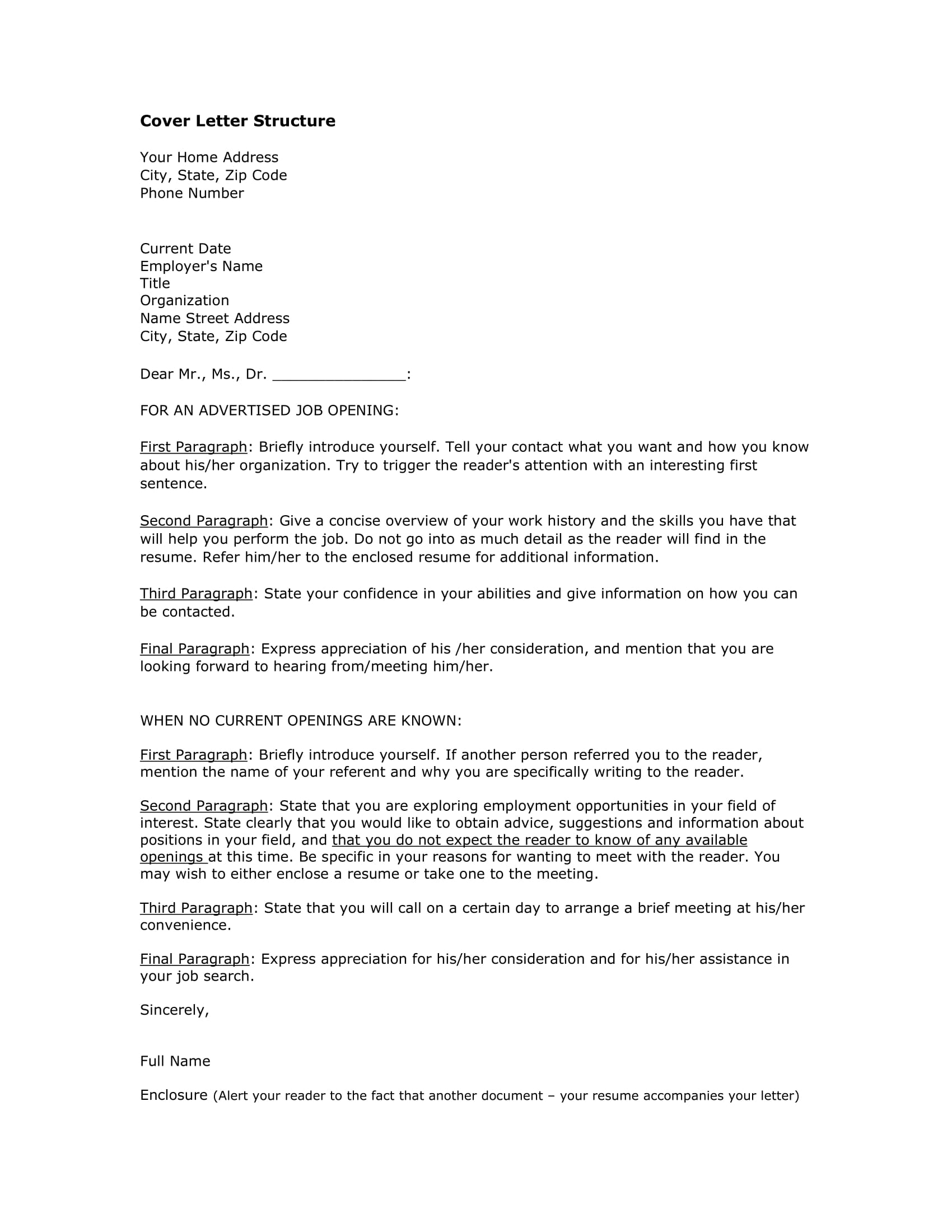
A strong faculty cover letter should include the following essential components:
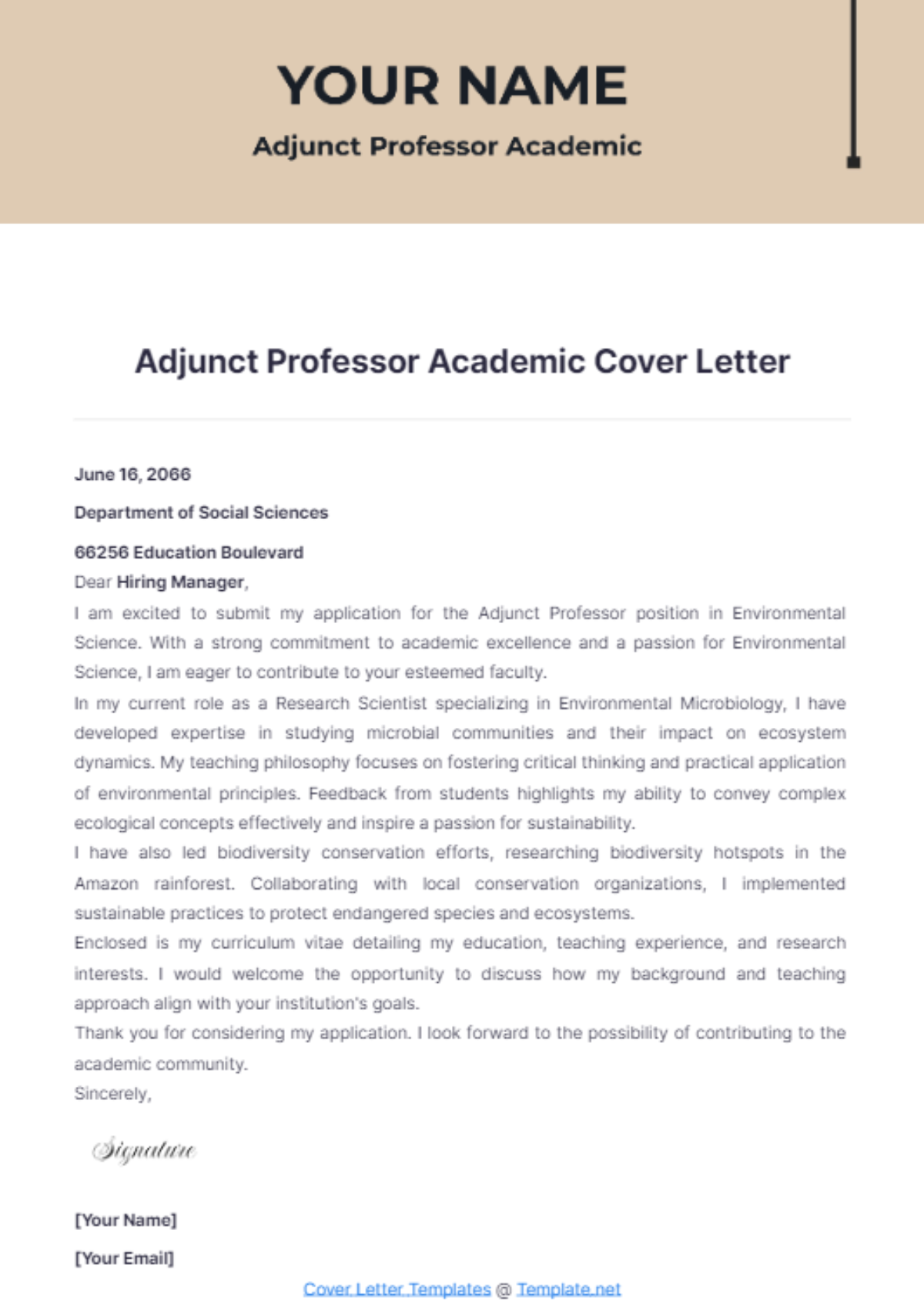
- Professional Header: Include your contact information, the date, and the recipient's details.
- Salutation: Address the letter to the hiring committee or department chair.
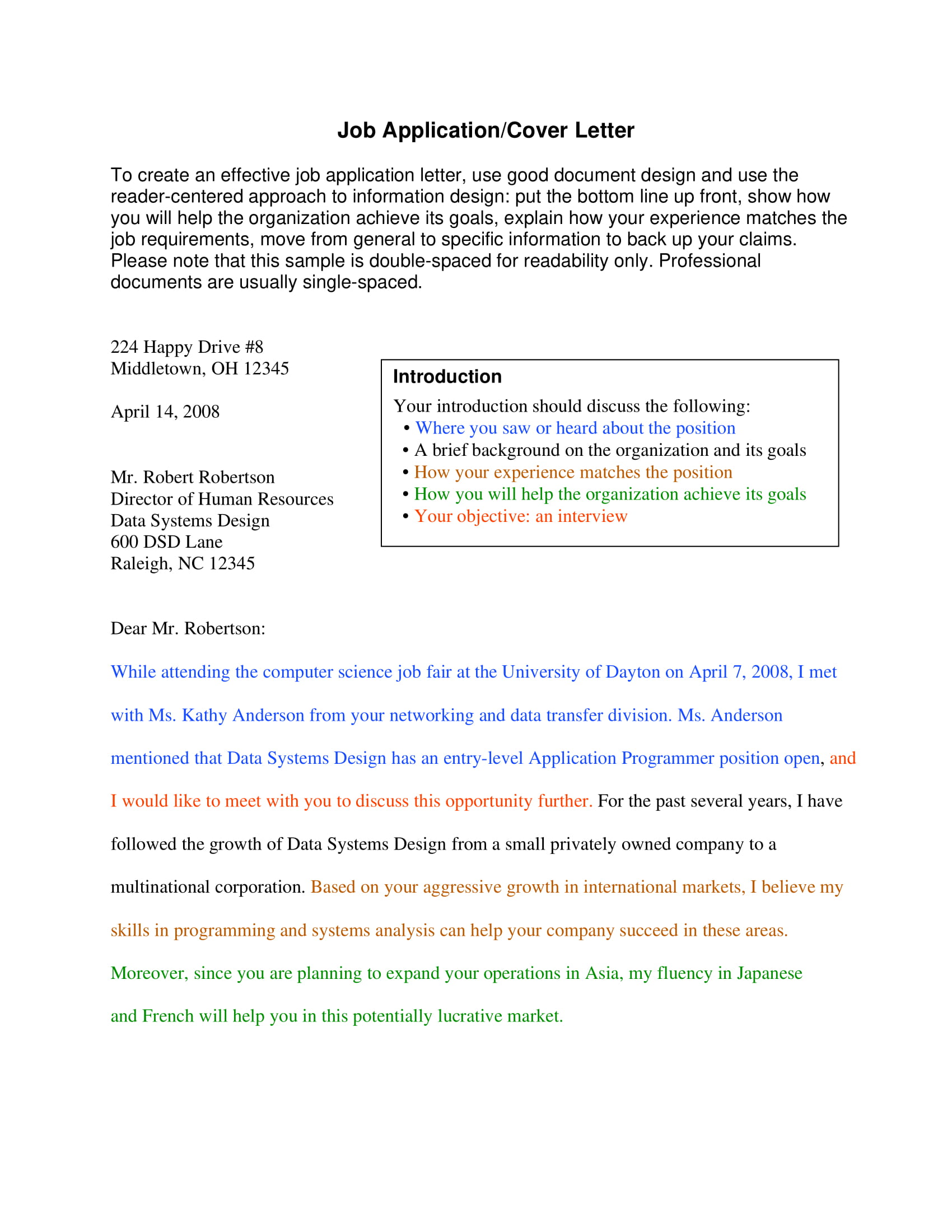
- Introduction: Introduce yourself and express your interest in the position.
- Summary of Qualifications: Highlight your academic achievements, teaching philosophy, and research goals.
- Expression of Interest: Explain why you are a strong candidate for the position and why you are interested in the institution.
- Call to Action: Express your enthusiasm for the opportunity to discuss your qualifications further.
- Closing: End the letter with a professional closing and your contact information.
Example of a Cover Letter for a Professor Position
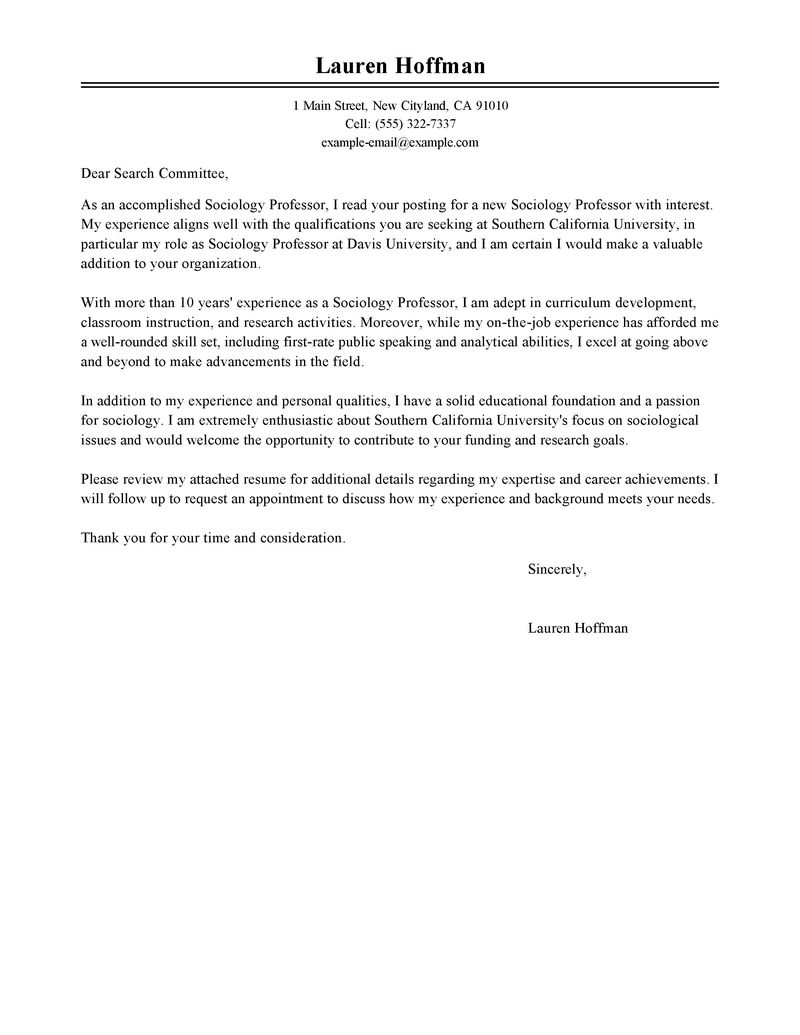
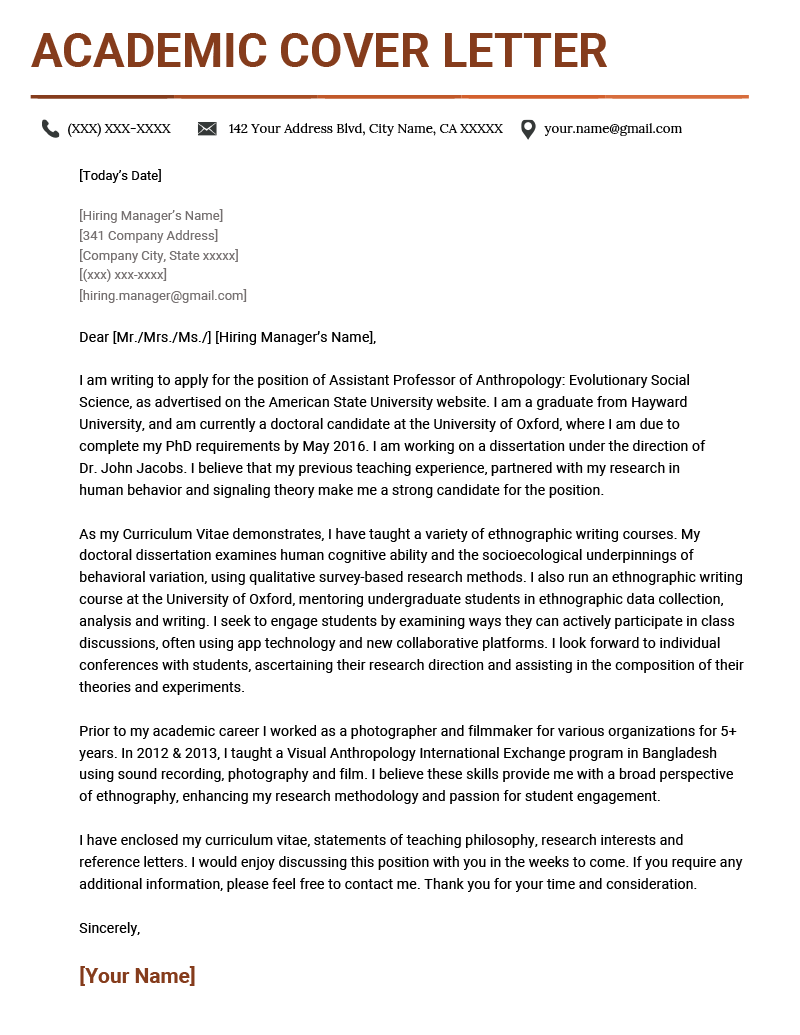
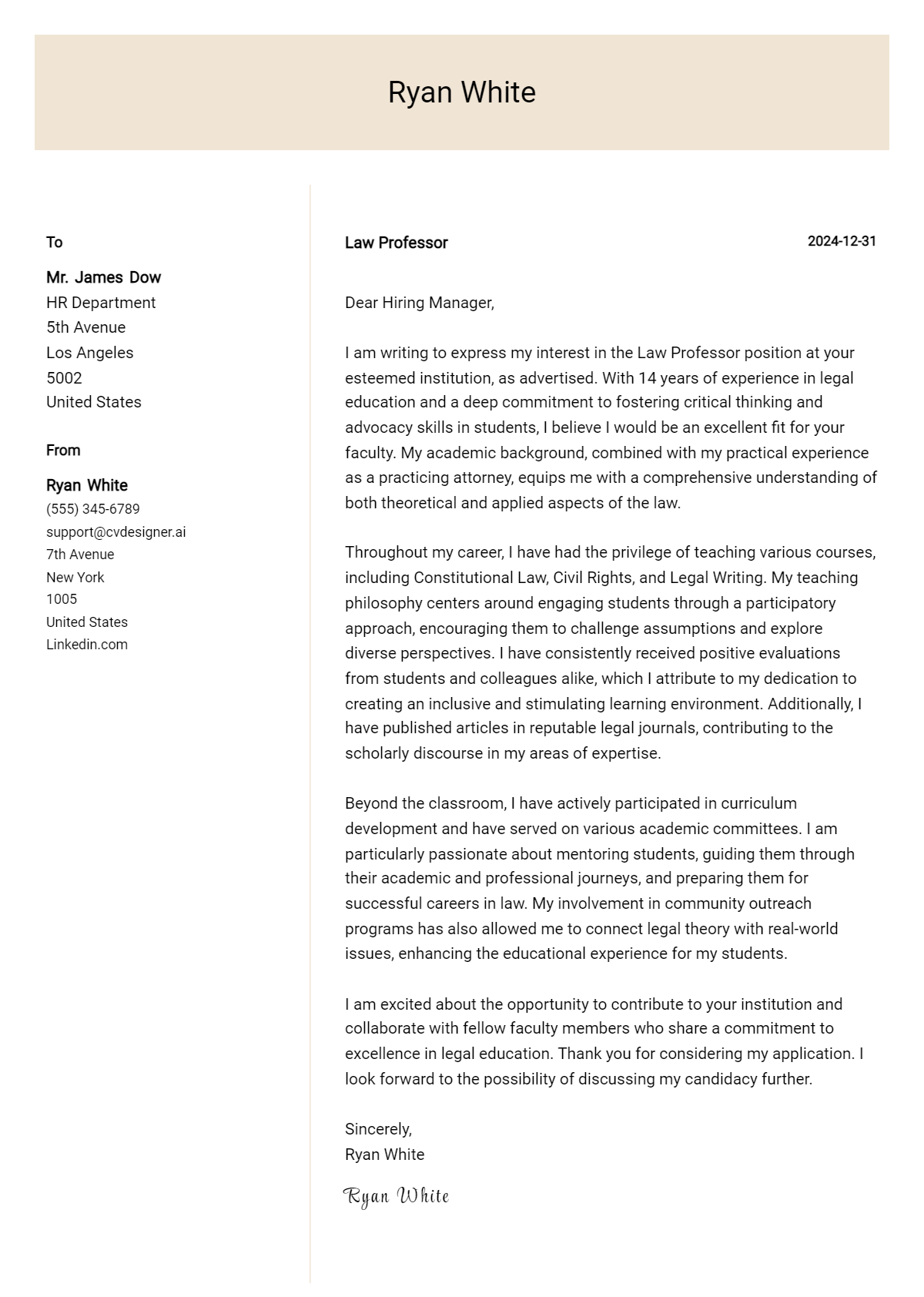
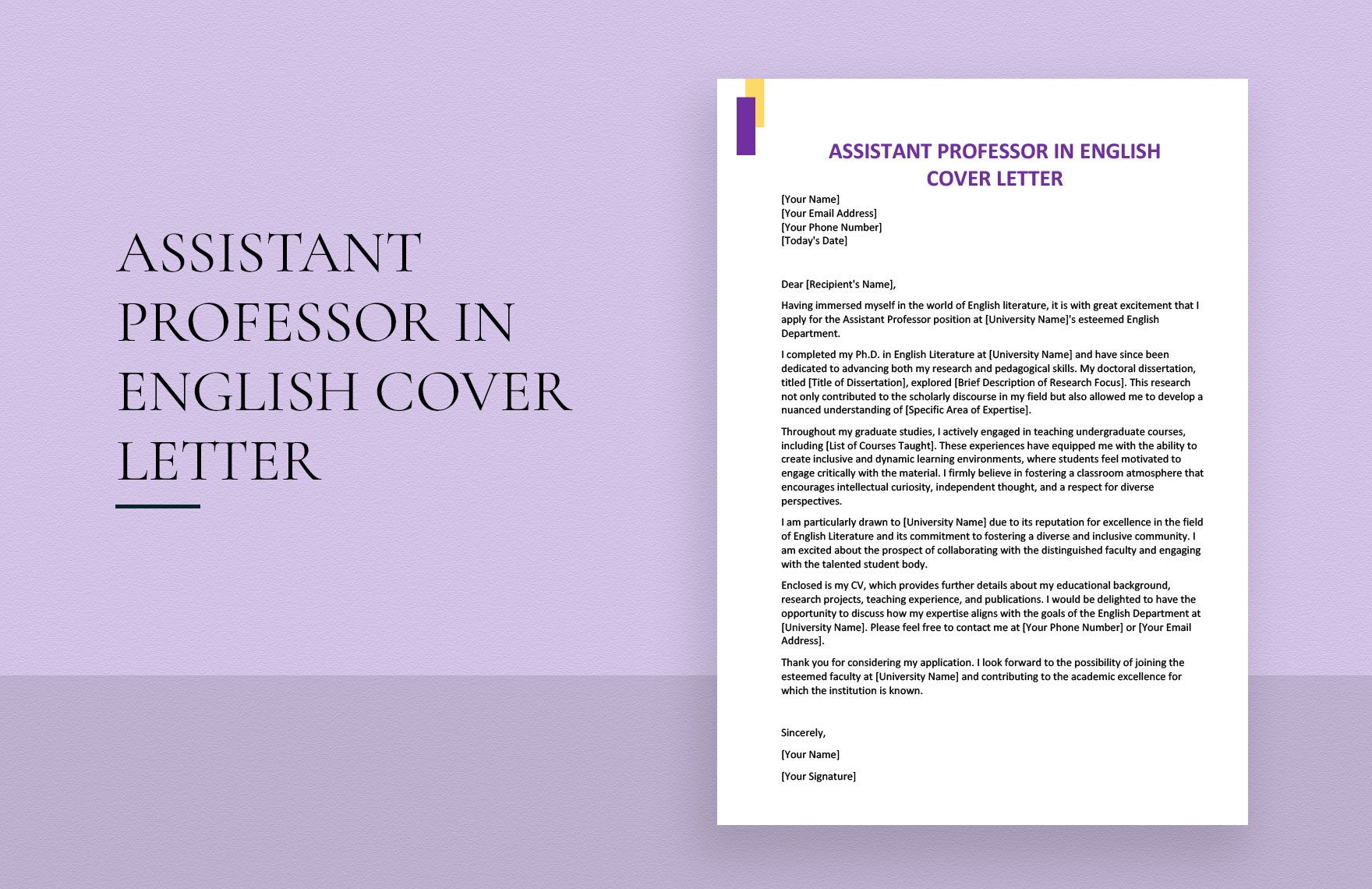
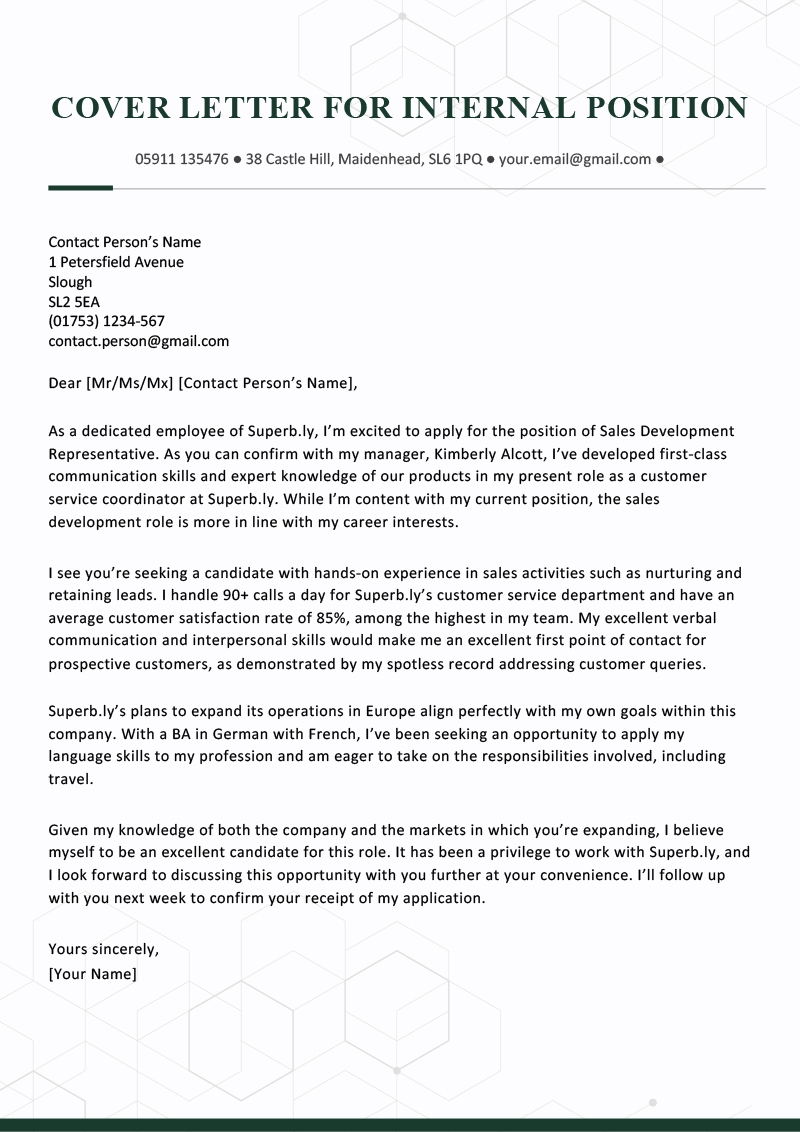
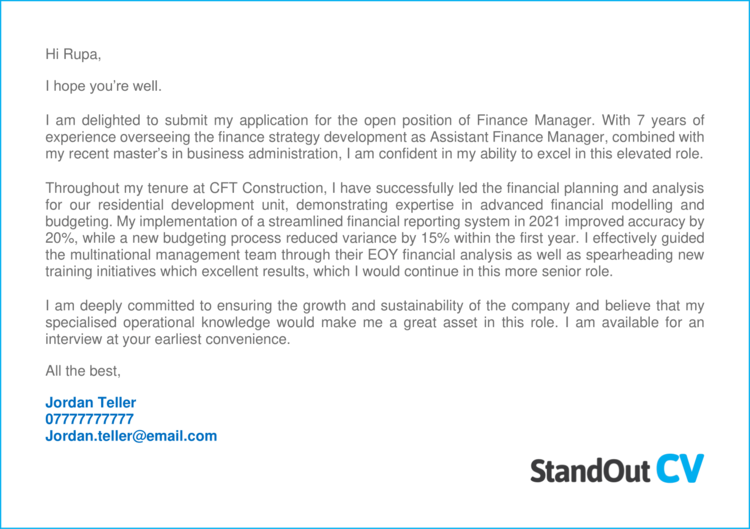
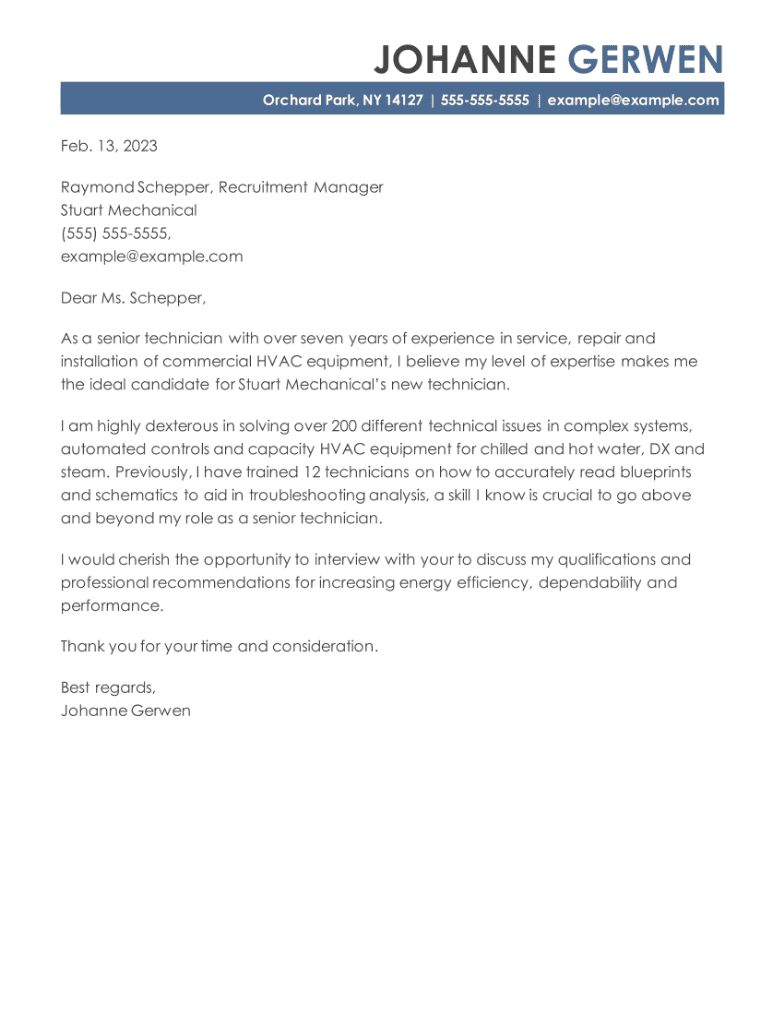
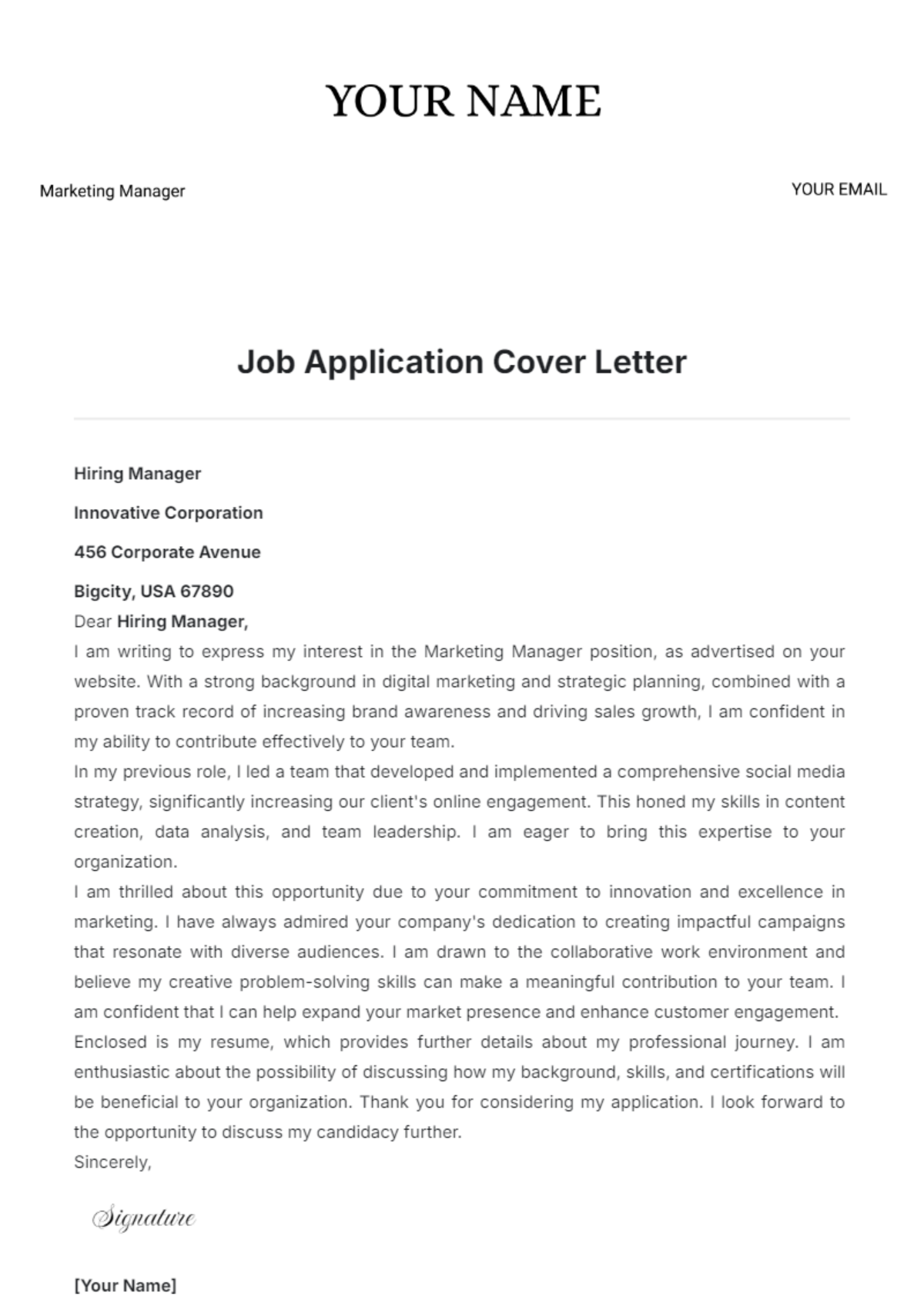
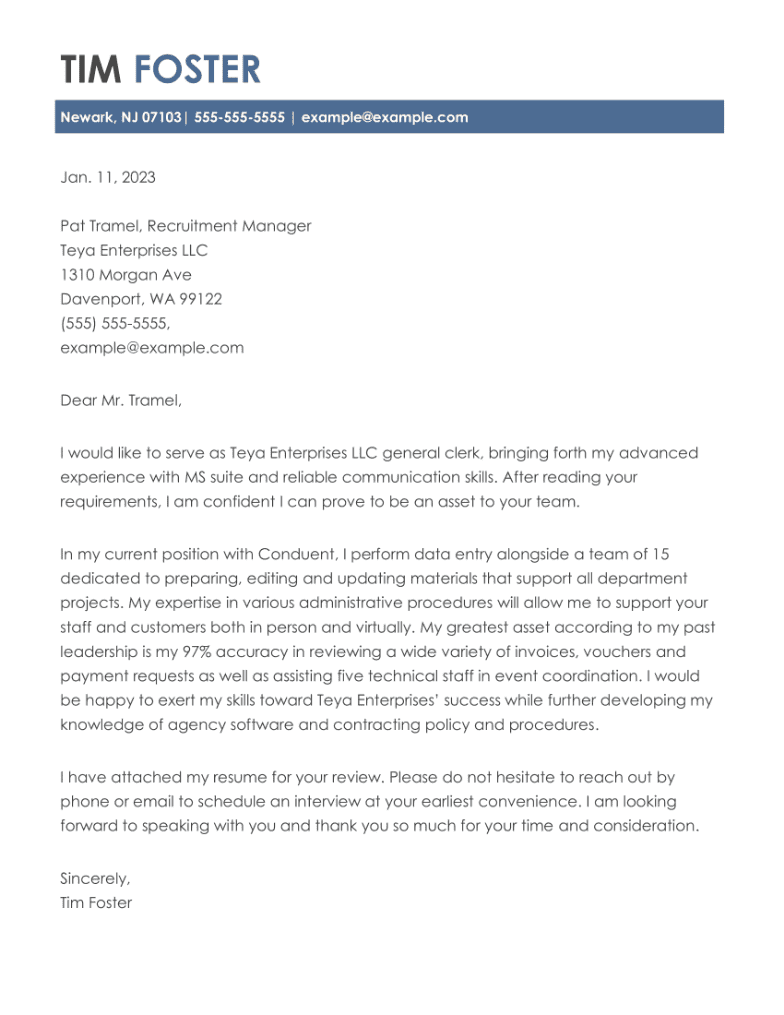
Here is an example of a cover letter for a professor position:
[Your Name] [Your Address] [City, State ZIP Code] [Date] [Recipient's Name] [Title] [University/College Name] [Address] [City, State ZIP Code]
Dear [Recipient's Name], I am writing to express my strong interest in the Assistant Professor of English position at [University/College Name]. As a scholar of American literature, I am confident that my research and teaching expertise make me an ideal candidate for this position. With a Ph.D. in English from [University Name], I have a strong background in American literary studies, with a particular focus on the works of [Author]. My research has been published in [Journal/Book] and I have presented my work at [Conference/Workshop]. I am excited about the opportunity to contribute to the English department at [University/College Name] and to share my passion for American literature with students. I am particularly drawn to [University/College Name] because of its strong reputation for excellence in the humanities. I am impressed by the department's commitment to interdisciplinary research and teaching, and I am excited about the opportunity to collaborate with colleagues across the university. Thank you for considering my application. I would welcome the opportunity to discuss my qualifications further and to learn more about the position. Sincerely, [Your Name]
Conclusion
Writing a cover letter for a professor position requires careful consideration of your academic achievements, teaching philosophy, and research goals. By including the essential components of a faculty cover letter and using examples and tips to craft a compelling letter, you can increase your chances of getting noticed by university hiring committees. Remember to tailor your letter to the specific position and institution, and to express your enthusiasm for the opportunity to contribute to the academic community.