FOMO in Social Media Engagement: A Growing Concern for Mental Health
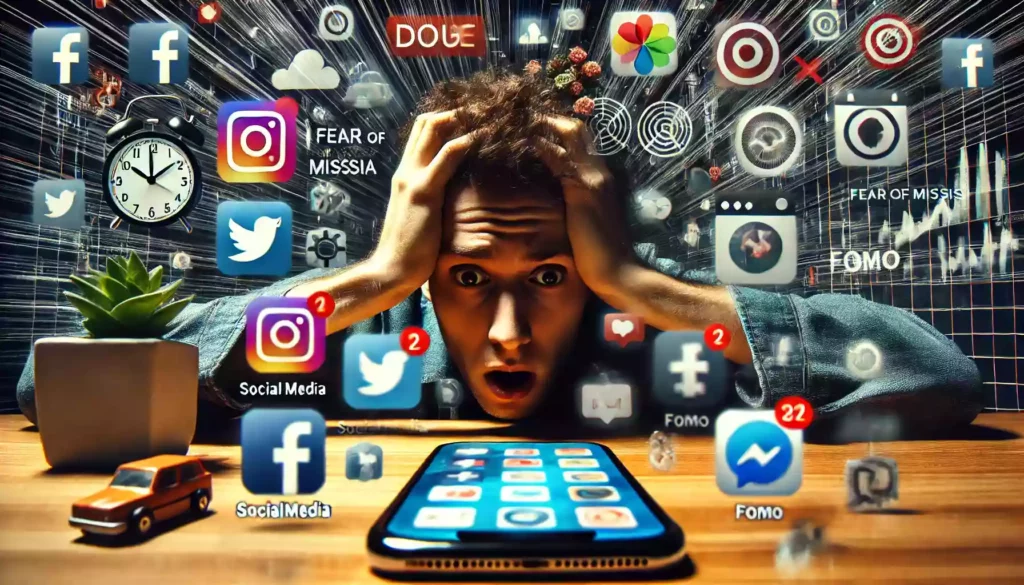
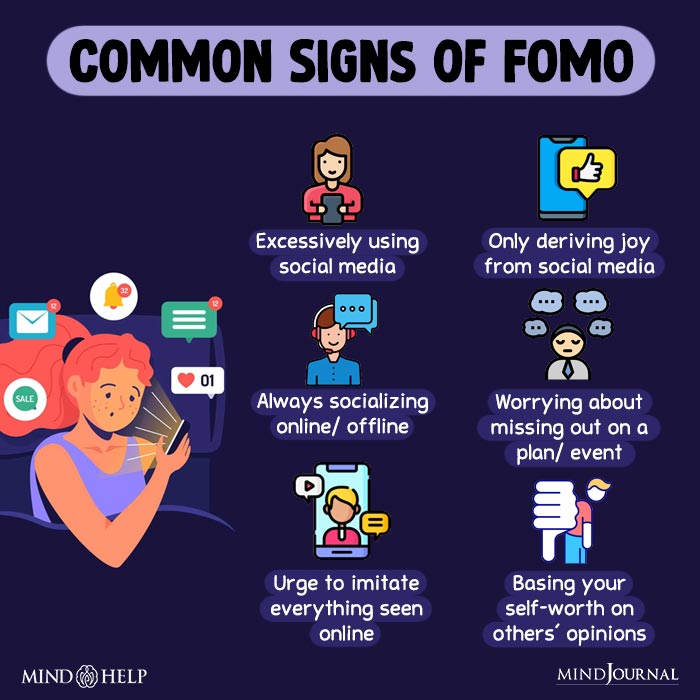
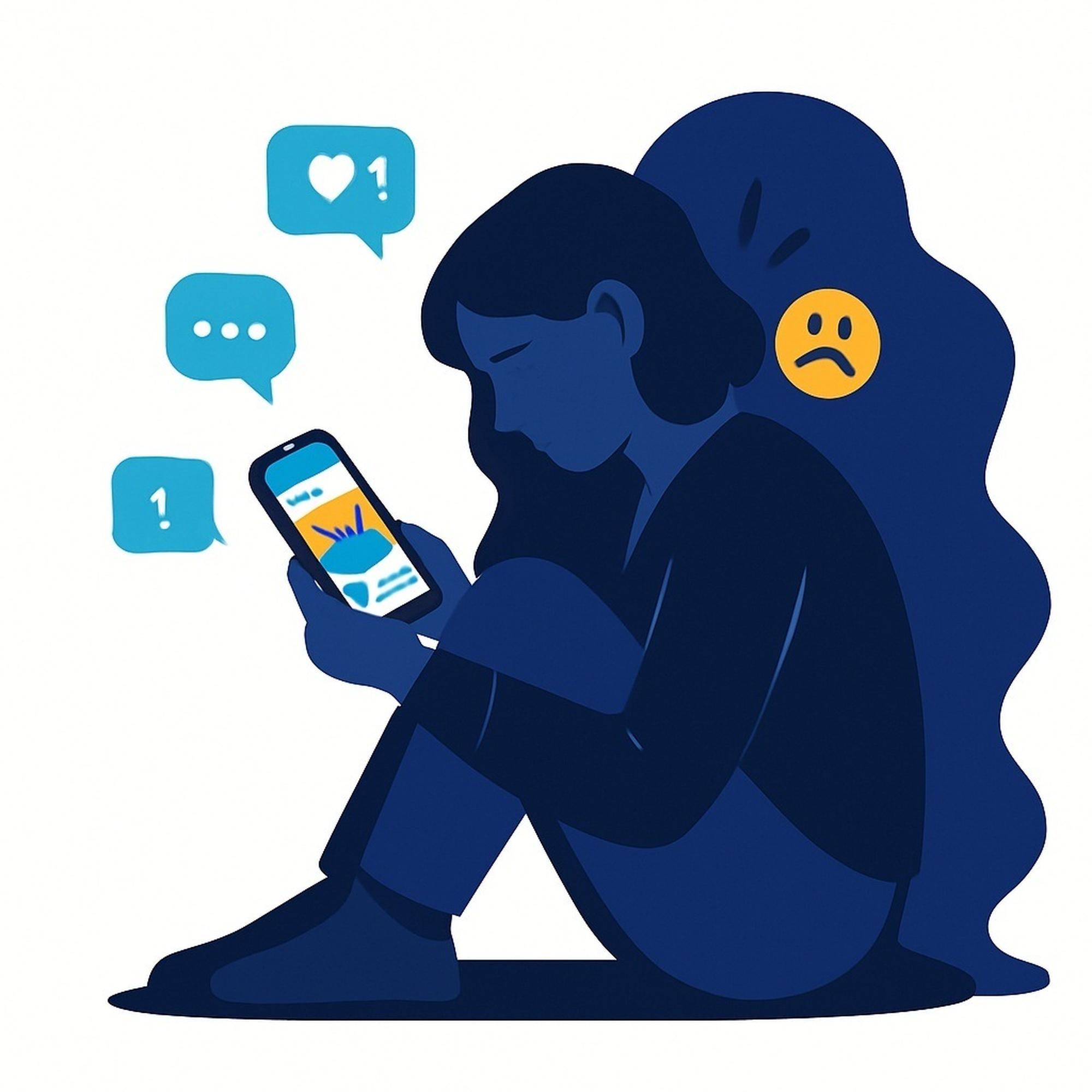
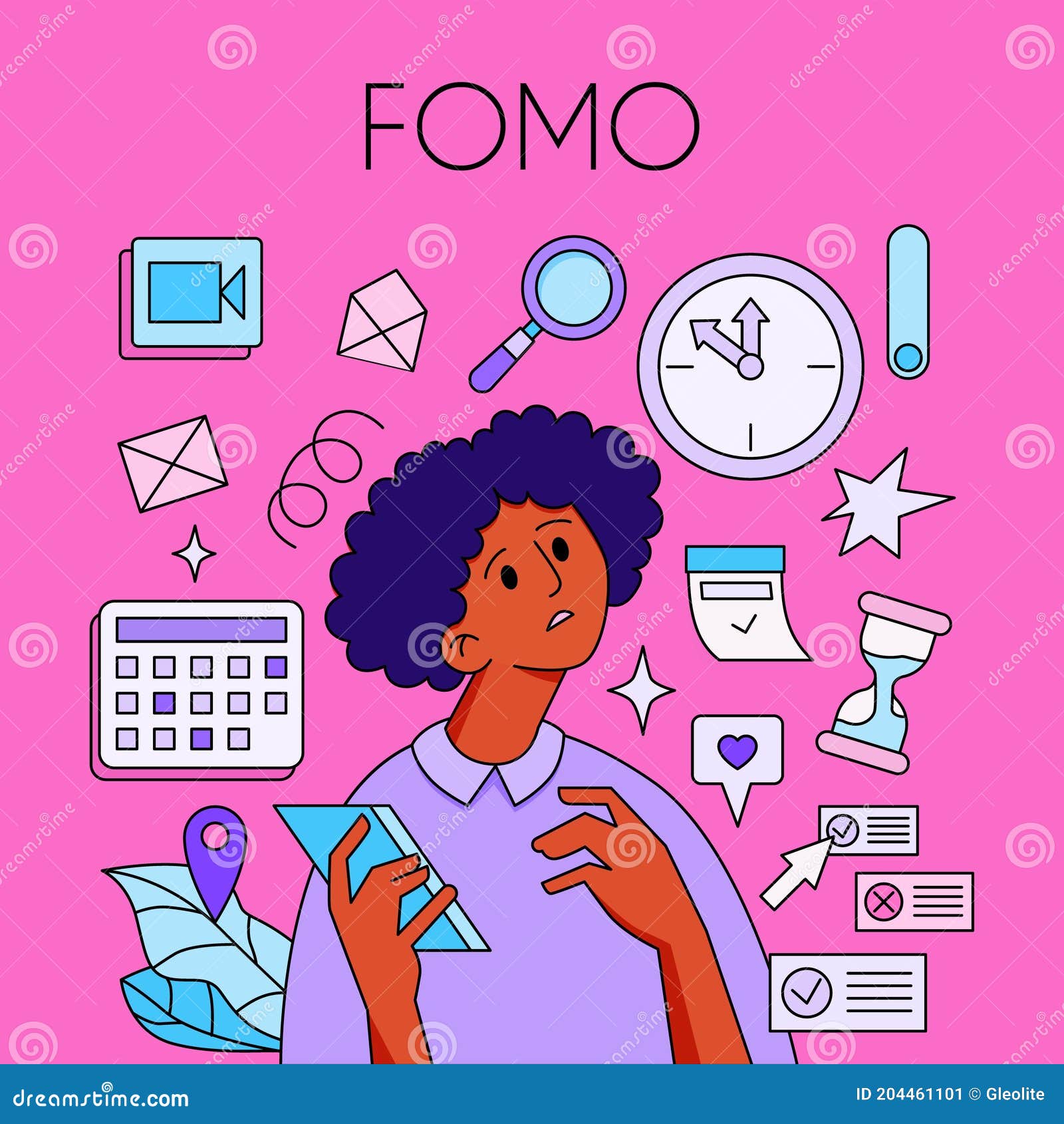
The fear of missing out (FOMO) on social media refers to the anxiety that online content and interactions from others are unseen and reacted to in a timely fashion. This phenomenon has become increasingly prevalent in today's digital age, where social media platforms have become an integral part of our daily lives. FOMO can lead to anxiety, interrupted sleep, and decreased productivity, making it a significant concern for mental health.
Understanding FOMO in Social Media Engagement
- FOMO is a key driver of continued engagement with social media, as it offers users the opportunity to satisfy innate drives for belonging and connection (Przybylski et al., 2013).
- Quantitative research has provided valuable information on the incidence and nature of the association between FOMO and social media use.
- Studies have shown that FOMO can lead to problematic social media use, which can have negative consequences for mental health.
The Psychology Behind FOMO in Social Media Engagement
FOMO is a complex phenomenon that is driven by a combination of psychological and social factors. It is characterized by a sense of anxiety and unease that is triggered by the perception that others are having more exciting or fulfilling experiences without us. This anxiety can lead to a compulsive behavior to maintain social media engagement, which can further exacerbate the problem.
Strategies for Mitigating FOMO in Social Media Engagement
- Set boundaries and designate specific times for social media engagement.
- Pursue hobbies and interests outside the digital realm to cultivate real-life connections and experiences.
- Practice mindfulness and engage in offline activities to reduce the likelihood of FOMO.
- Create a personal collection of tools and materials to help manage jealousy and build resilience.
The Role of Social Media Algorithms in FOMO
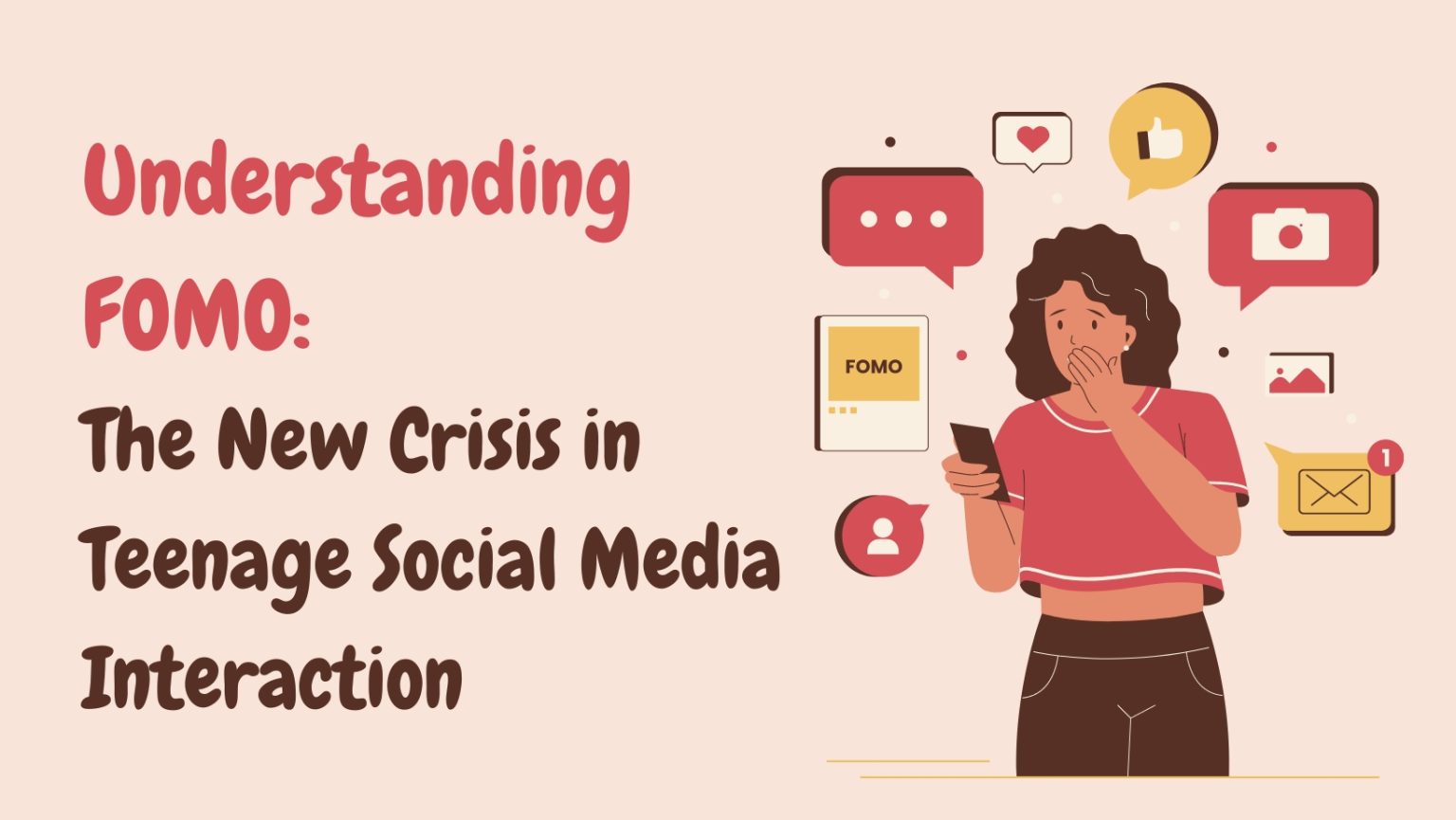
Social media algorithms play a significant role in encouraging over-posting and FOMO. By prioritizing content that generates high engagement, algorithms reward frequent posters with greater visibility, which can create a sense of FOMO among users.
Conclusion
FOMO in social media engagement is a growing concern for mental health. It is characterized by a sense of anxiety and unease that is triggered by the perception that others are having more exciting or fulfilling experiences without us. By understanding the psychology behind FOMO and implementing strategies to mitigate its effects, we can reduce the negative consequences of FOMO and promote healthier social media habits.
References
- Przybylski, A. K., Murayama, K., DeHaan, C. R., & Gladwell, V. (2013). Motivational, emotional, and behavioral correlates of fear of missing out (FOMO). Cyberpsychology, Behavior, and Social Networking, 16(10), 741-748.
- Kim, J., & Lee, Y. (2015). The effects of fear of missing out (FOMO) on social media use and social media addiction. Computers in Human Behavior, 45, 817-825.
- Junco, R., & Cotten, S. R. (2011). Perceived universality of social media use and addiction among college students. Computers in Human Behavior, 27(1), 147-154.