Preventing Tech Neck Pain in Children Naturally
In today's digital age, children spend more time than ever staring at screens, whether it's on their tablets, smartphones, or computers. This excessive screen time can lead to a condition known as "tech neck," characterized by a forward head posture and strain on the neck and upper back. In this article, we'll explore the dangers of tech neck for kids and provide essential tips on preventing it.
Understanding Tech Neck
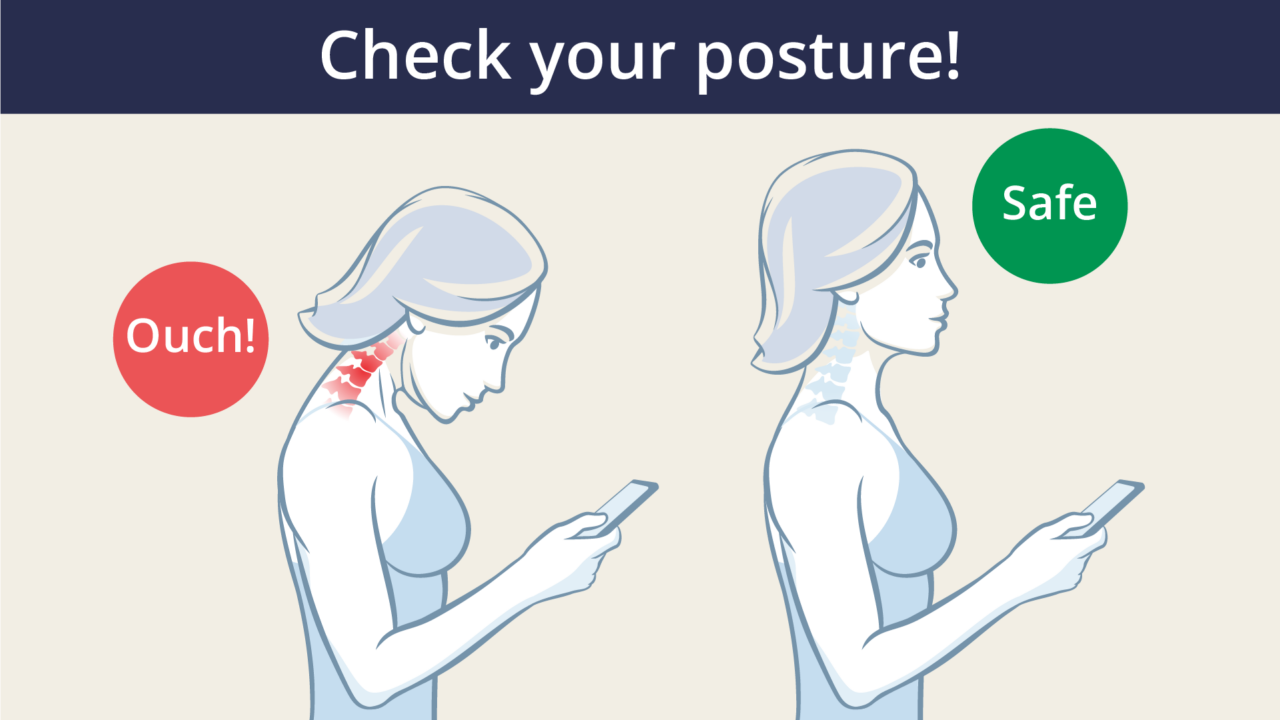
Tech neck is a condition that arises from constant neck bending while using electronic devices. As children spend more time engrossed in their screens, they unknowingly subject their necks to excessive stress. This can lead to a range of symptoms, including neck pain, headaches, and shoulder tension.
Causes of Tech Neck in Children
- Excessive screen time: Children who spend extended periods staring at screens are more likely to develop tech neck.
- Poor posture: Slouching or hunching over a device can put strain on the neck and upper back.
- Device placement: Using a device in a way that requires the head to be tilted forward or looking down can contribute to tech neck.
- Muscle imbalance: Weak neck muscles and tight shoulder muscles can contribute to poor posture and tech neck.
Symptoms of Tech Neck in Children
Children with tech neck may exhibit the following symptoms:
- Neck pain: Aching or stiffness in the neck, often accompanied by headaches or migraines.
- Shoulder tension: Tightness or soreness in the shoulders and upper back.
- Headaches: Frequent or severe headaches, often accompanied by neck pain.
- Posture changes: Children may develop a forward head posture or slouch to compensate for the strain on their neck and upper back.
Preventing Tech Neck in Children Naturally
Preventing tech neck in children requires a combination of ergonomic adjustments, regular breaks, and targeted exercises. Here are some effective strategies to help your child avoid tech neck:
Ergonomic Adjustments
Encourage your child to:

- Use a device at a comfortable height: Ensure the device is at eye level or slightly below to avoid tilting the head forward.
- Take breaks: Regularly take 10-15 minute breaks to stretch and move around.
- Position the device correctly: Place the device directly in front of the child, rather than at an angle.
Regular Breaks
Encourage your child to:
- Stand up and stretch: Regularly stand up and stretch the neck, shoulders, and back.
- Move around: Engage in physical activity, such as jumping jacks or dancing, to loosen up the muscles.
- Do neck stretches: Encourage your child to perform simple neck stretches, such as tilting their head to the side or rolling their shoulders.
Targeted Exercises
Encourage your child to:
- Strengthen neck muscles: Engage in exercises that strengthen the neck muscles, such as chin tucks or shoulder rolls.
- Improve posture: Practice good posture by standing up straight and keeping the head level.
- Stretch the neck and shoulders: Regularly stretch the neck and shoulders to loosen up tight muscles.
Chiropractic Care
Chiropractic care can be an effective way to address tech neck in children. A chiropractor can:
- Assess posture: Evaluate your child's posture and identify areas of strain.
- Perform spinal adjustments: Gently adjust the spine to improve alignment and reduce strain on the neck and upper back.
- Provide exercises and stretches: Offer exercises and stretches to help your child maintain good posture and prevent tech neck.
Conclusion
Tech neck is a common condition in children, but it's preventable with the right strategies. By encouraging your child to make ergonomic adjustments, take regular breaks, and engage in targeted exercises, you can help them avoid tech neck and maintain a healthy posture. Remember, preventing tech neck is essential for your child's long-term spinal health and overall well-being.