FOMO in Social Media Marketing: Tapping into the Fear of Missing Out
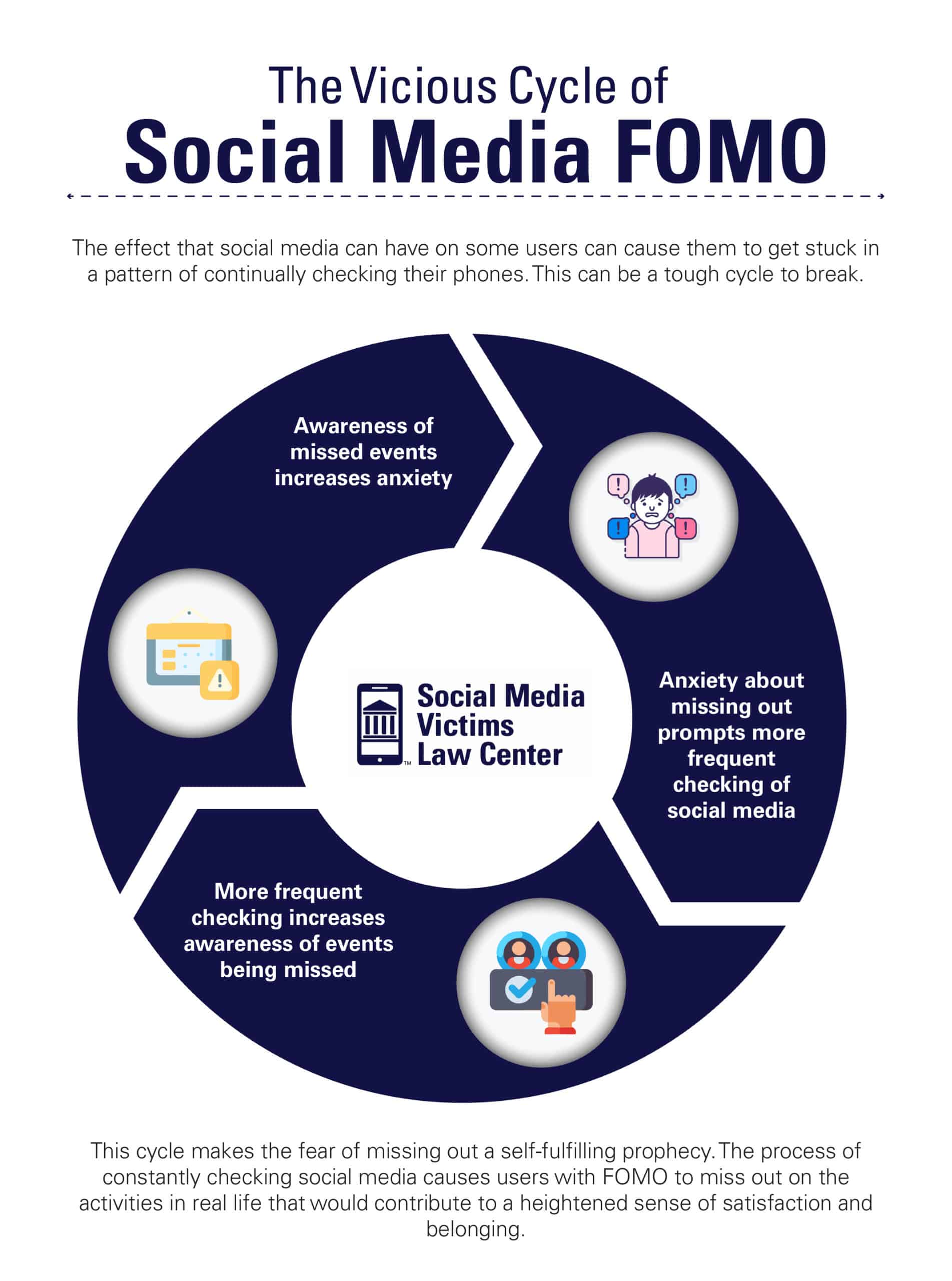
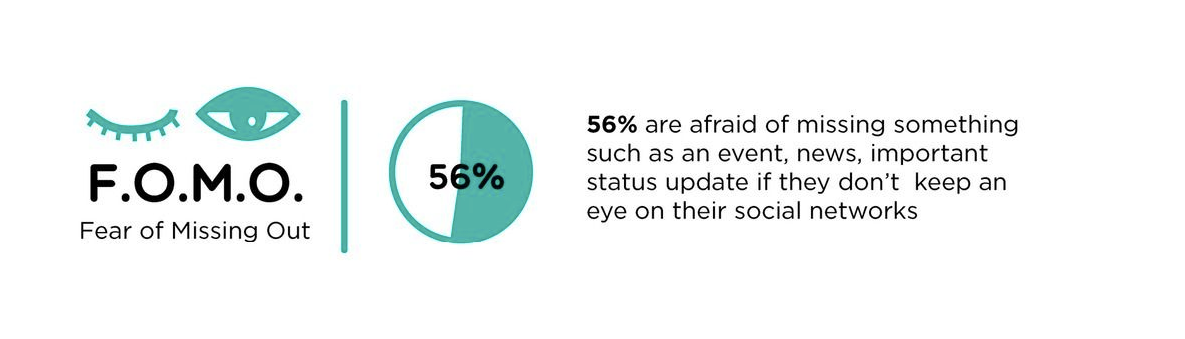
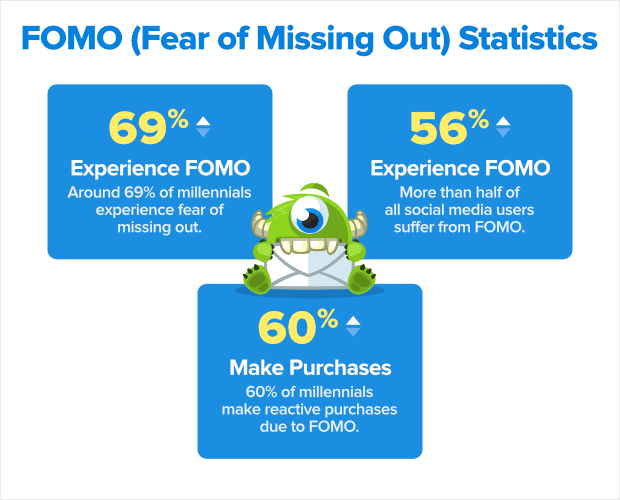
In today's fast-paced, social media-driven world, the fear of missing out (FOMO) has become a powerful phenomenon that marketers are leveraging to drive engagement and boost conversions. FOMO, or the fear of missing out, is a psychological trigger that sparks anxiety in individuals when they feel like they're missing out on rewarding experiences or exclusive opportunities. Social media platforms have turned FOMO into a marketing goldmine, with limited-time offers, flash sales, and exclusive events designed to tap into users' anxiety.
The Psychology Behind FOMO in Social Media Marketing
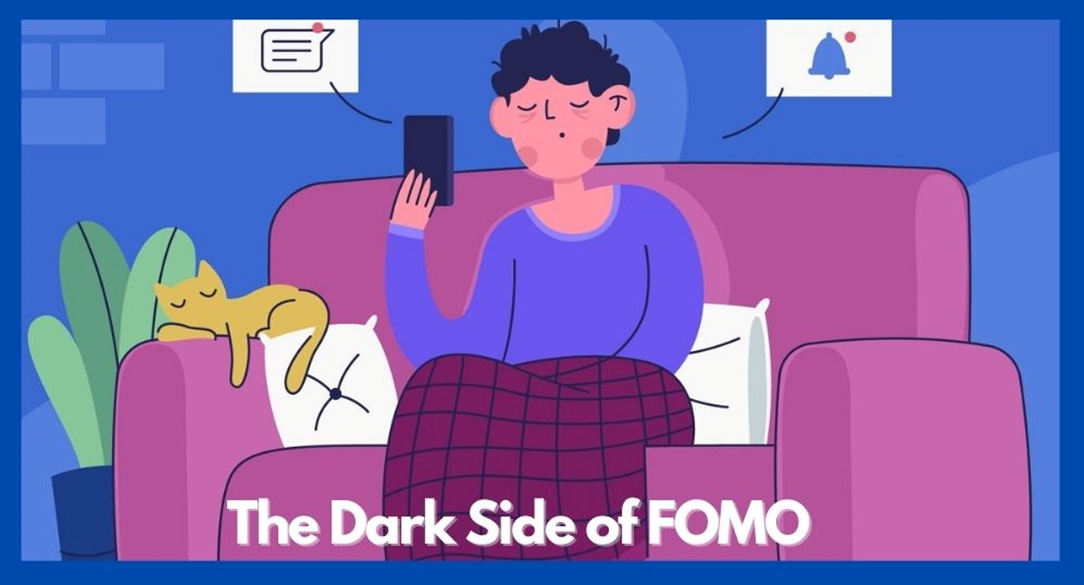
Research has shown that young consumers who shop online and have FOMO tend to feel lower levels of social, psychological, and financial well-being. However, having a stronger attachment to a social media influencer is linked to younger consumers having improved feelings of well-being. This highlights the complex relationship between FOMO, social media usage, and consumer behavior.
How Social Media Leverages FOMO
Social media platforms provide the perfect environment for triggering FOMO, as they allow users to constantly stay connected and be aware of what others are doing.
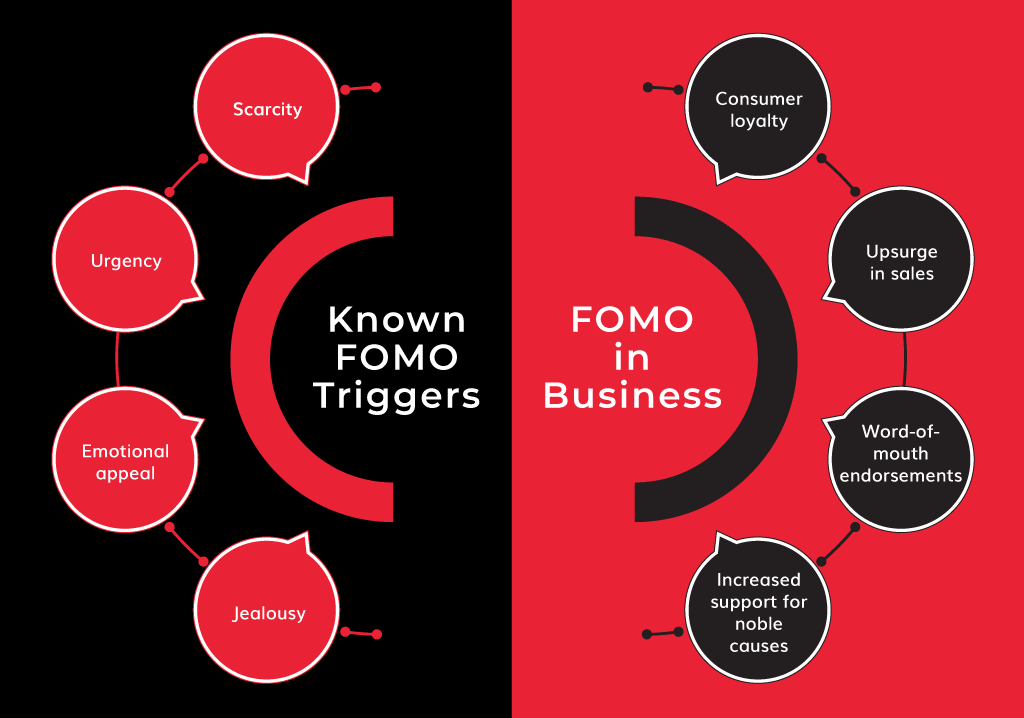
Marketers use FOMO to create a sense of urgency and scarcity, encouraging users to act quickly to avoid missing out on exclusive deals or experiences.
Social media influencers play a significant role in leveraging FOMO, as their followers often feel a strong attachment to them and are more likely to act on their recommendations.
FOMO Marketing Strategies That Work
Several FOMO marketing strategies have been effective in driving engagement and conversions. These include:
Creating a sense of exclusivity and limited availability
Using language that creates a sense of urgency, such as "limited time only" or "while supplies last"
Merging scarcity and urgency to create a sense of FOMO
Utilizing social proof, such as user-generated content or reviews, to create a sense of social validation
The Benefits and Risks of FOMO Marketing
While FOMO marketing can be effective in driving engagement and conversions, it also raises ethical concerns regarding consumer manipulation. Marketers must balance the benefits of FOMO marketing with the potential risks of misleading or exploiting consumers. A well-executed FOMO marketing strategy can create a sense of excitement and urgency, but it must also be transparent and honest in its messaging.
Conclusion
FOMO in social media marketing is a powerful phenomenon that can be leveraged to drive engagement and conversions. By understanding the psychology behind FOMO and leveraging effective marketing strategies, marketers can tap into this trend and create a sense of excitement and urgency among their target audience. However, marketers must also be mindful of the potential risks and ethical concerns surrounding FOMO marketing to avoid misleading or exploiting consumers.

.png "The Psychology of FOMO (Fear of Missing Out) in Social Media ...")