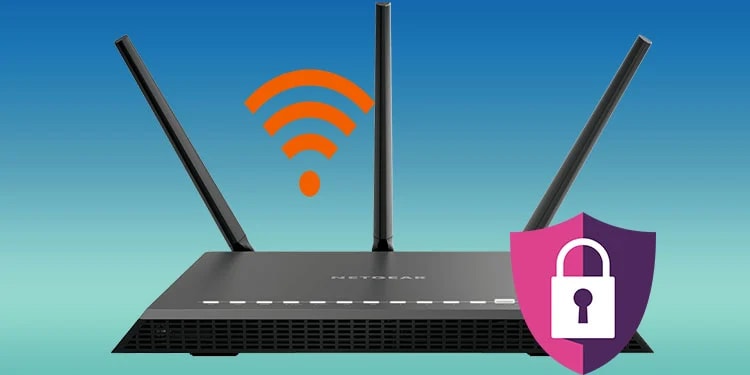
Protect Wireless Router from Neighborhood Hacking: Simple Steps to Enhance Security
Introduction
The convenience of wireless internet has made it a ubiquitous feature in homes and businesses worldwide. However, this ease of connectivity comes with a risk: neighborhood hacking. Cybercriminals can exploit vulnerabilities in your wireless router to access your network, devices, and sensitive data. In this article, we will outline simple steps to protect your wireless router from neighborhood hacking and ensure the security of your home network.Understand the Risks
Wireless networks are frequently targeted by malicious actors, exposing sensitive data, enabling unauthorized access to connected devices, and facilitating larger network intrusions. Securing your Wi-Fi is paramount to maintaining digital safety and privacy. To start, it's essential to understand the warning signs of a hacked router, which include:- Difficulty accessing the internet or network
- Unusual network activity or slow speeds
- Increased data usage or unauthorized downloads
- Devices experiencing connectivity issues or crashes
Basic Security Measures
To prevent neighborhood hacking, take these basic security measures:- Change the Default Password: Set a strong, unique password for your router. Avoid using easily guessable information like your name, birthdate, or common words.
- Enable WPA3 Encryption: Upgrade to the latest WPA3 encryption standard, which provides enhanced security compared to WPA2.
- Update Firmware Regularly: Keep your router's firmware up-to-date to patch security vulnerabilities.
- Limit Network Visibility: Change your router's settings to reduce network visibility, making it harder for hackers to detect your network.
- Use a VPN (Virtual Private Network): Install a VPN on your devices to encrypt internet traffic and protect it from hacking.
Advanced Security Features
Take your router's security to the next level with these advanced features:- Guest Network Isolation: Enable guest network isolation to separate your guest network from your main network, preventing unauthorized access.
- Wireless Network Encryption: Enable WPA3 encryption for your wireless network to protect it from eavesdropping.
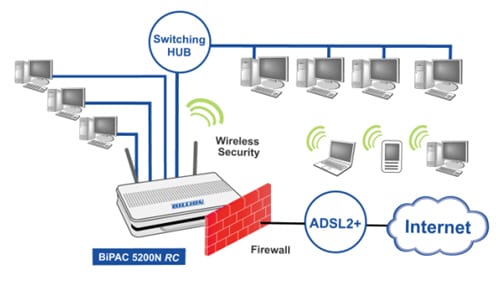
- Router Firewall: Activate your router's firewall to block unauthorized access and malicious traffic.
- Regular Network Scans: Regularly scan your network for vulnerabilities and Automated tools that help detect potential intrusions.
Additional Tips
To further enhance your router's security, consider these additional tips:- Use a Long, Unique Password: Mix letters, numbers, and symbols to create a strong password.
- Disable WPS (Wi-Fi Protected Setup): This feature is insecure and can provide a point of entry for hackers.
- Limit Device Connections: Restrict device connections to only authorized devices to prevent unauthorized access.
- Monitor Network Activity: Regularly monitor your network activity to detect suspicious behavior.