FOMO Prevention Techniques: Overcoming the Fear of Missing Out
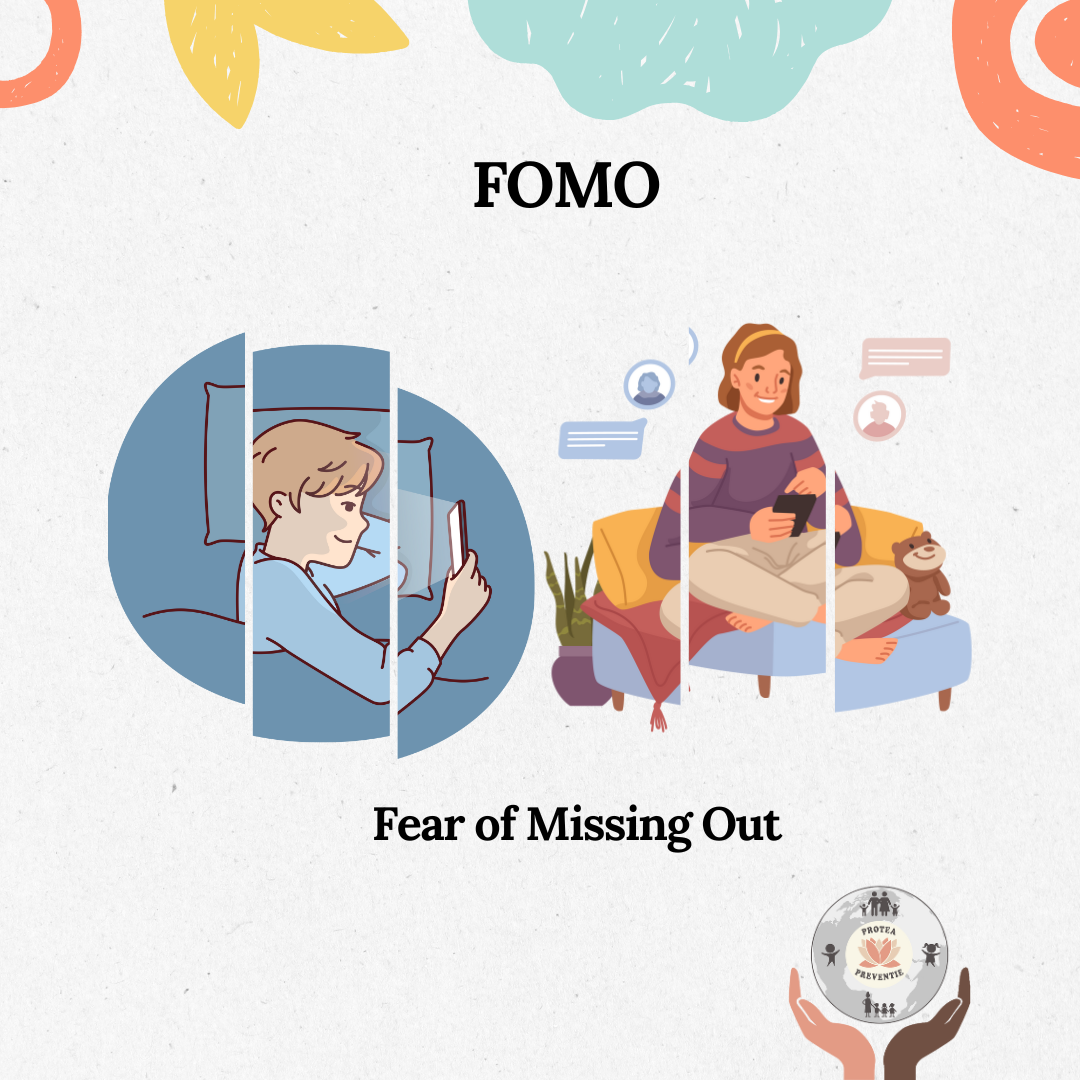
The "FOMO", or Fear of Missing Out, phenomenon has become a pervasive issue in today's digital age. Constantly feeling that you're missing out on exciting events, experiences, or connections can lead to anxiety, stress, and a sense of disconnection. But there's a way to break free from FOMO's grip and live a more present, fulfilling life.
Understanding FOMO
FOMO is an anxiety disorder that's characterized by a nagging feeling that others are having more rewarding experiences than you. This feeling can be triggered by social media, personal relationships, or even social events. As a result, people with FOMO often feel a strong urge to stay connected and actively seek out experiences that might make them feel more included.
Why FOMO Prevention Techniques are Essential
While FOMO may seem like a minor issue at first, it can have severe consequences on your mental health, relationships, and overall well-being. Chronic FOMO can lead to feelings of inadequacy, anxiety, depression, and even social isolation. By practicing FOMO prevention techniques, you can mitigate these risks and enjoy a more balanced life.
10 Root Causes of FOMO

- Excessive social media usage
- Comparison culture
- Social pressures and peer influence
- Perfectionism
- Self-doubt and self-esteem issues
- Fear of rejection and exclusion
- Social isolation and loneliness
- Unrealistic expectations
- Uncertainty and unpredictability
- Past experiences and trauma
10 FOMO Prevention Techniques to Implement Today
- Mindfulness Practiced: Cultivate mindfulness through meditation, deep breathing, or yoga to stay present and anchor yourself.
- Set Boundaries: Limit your social media usage, and create time for offline connections.
- Focus on Real-Life Connections: Prioritize meaningful relationships and engage in activities that bring you joy.
- Practice Self-Compassion: Treat yourself with kindness and understanding when FOMO arises.
- Learn to Say No: Set healthy boundaries and politely decline social invitations that align with your values.
- Engage in Hobbies: Develop new skills or passions that bring you fulfillment and excitement.
- Schedule Downtime: Prioritize self-care and relaxation to avoid exhaustion.
- Stay Present: Focus on the present moment, rather than worrying about what others are doing.
- Challenge Negative Thoughts: Identify and challenge distorted thoughts that fuel FOMO.
- Practice Gratitude: Reflect on the good things in your life, rather than dwelling on perceived shortcomings.
Conclusion
FOMO is a normal and common concern that can be managed with the right tools and strategies. By understanding the root causes of FOMO and practicing prevention techniques, you can break free from its hold and live a more intentional, fulfilling life. Remember, it's not about missing out, but about finding joy in what you have and embracing the present moment.