Unlocking the Power of Food Product Design: Unlock the Secrets to Winning Consumer Hearts
When it comes to creating products that capture the attention of today's consumers, food product design plays a critical role. The way a product is packaged, staged, and presented can make all the difference between success and failure in a crowded marketplace. In this article, we'll delve into the world of food product design and explore the essential strategies for creating products that resonate with consumers.
What is Food Product Design?
Food product design is a sub-discipline of product design that involves the creation of new foods, packaging, staging, and ways to present and preserve food. This specialized field has gained significant attention in recent years, thanks in part to the growing recognition of its value in rethinking food systems and integrating sustainability, innovation, and creativity.
The Importance of Food Product Design in the Industry
The food industry has a reputation for slow innovation and a traditional product development process. With a low entry barrier, new products are frequently introduced, but a staggering 50% of these products fail within two years. Additionally, the small profit margin often leads to minor incremental changes to existing products rather than the intentional design of new ones. However, there has been a growing recognition of the importance of food product design in this industry.
Breaking Down the Process of Food Product Design
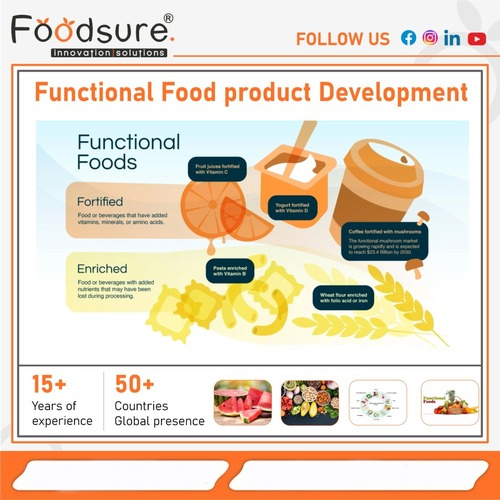
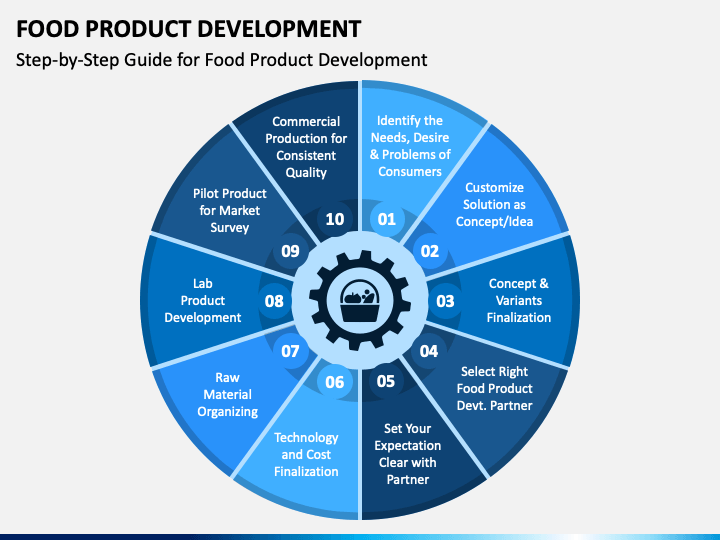
Food product design begins with the process of developing new products. This involves a multidisciplinary team working together to create, process, and commercialize new food products. The process generally takes several steps, including concept development, screening, optimization, and testing.
Key Players in the Food Product Design Process:
-
Food Scientists: These experts play a vital role in analyzing the physical, chemical, and biological properties of food and in developing new food products that meet nutritional and taste requirements.
-
Technologists: Technologists are responsible for scaling up the production process and ensuring that the product can be manufactured efficiently and safely.
-
Product Developers: Product developers oversee the entire development process, from concept generation to commercialization.
Strategies for Successful Food Product Design
To create successful food products, companies must focus on more than just the taste and nutritional value. A well-designed product must also capture consumers' attention, communicate value, and drive purchase intent.
Best Practices for Effective Food Product Design:
-
Emphasize sustainability: Consumers are increasingly looking for sustainable packaging and production methods. Companies that prioritize sustainability are more likely to attract and retain customers.
-
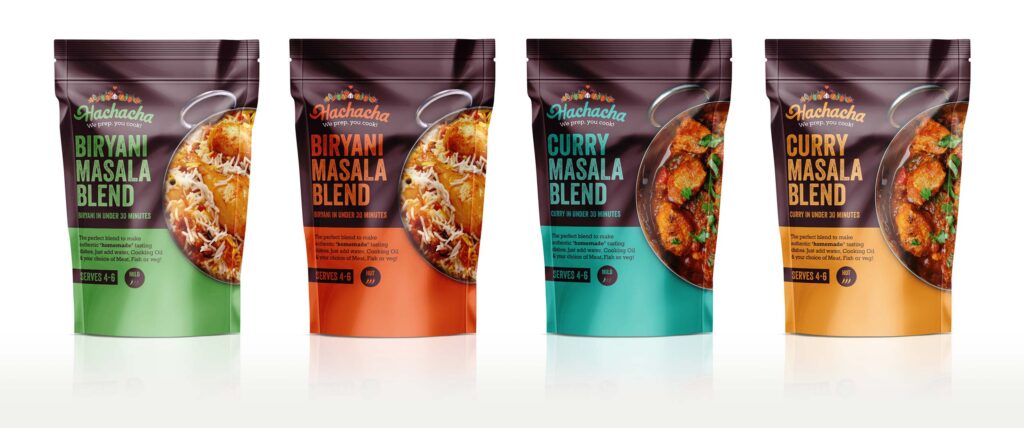
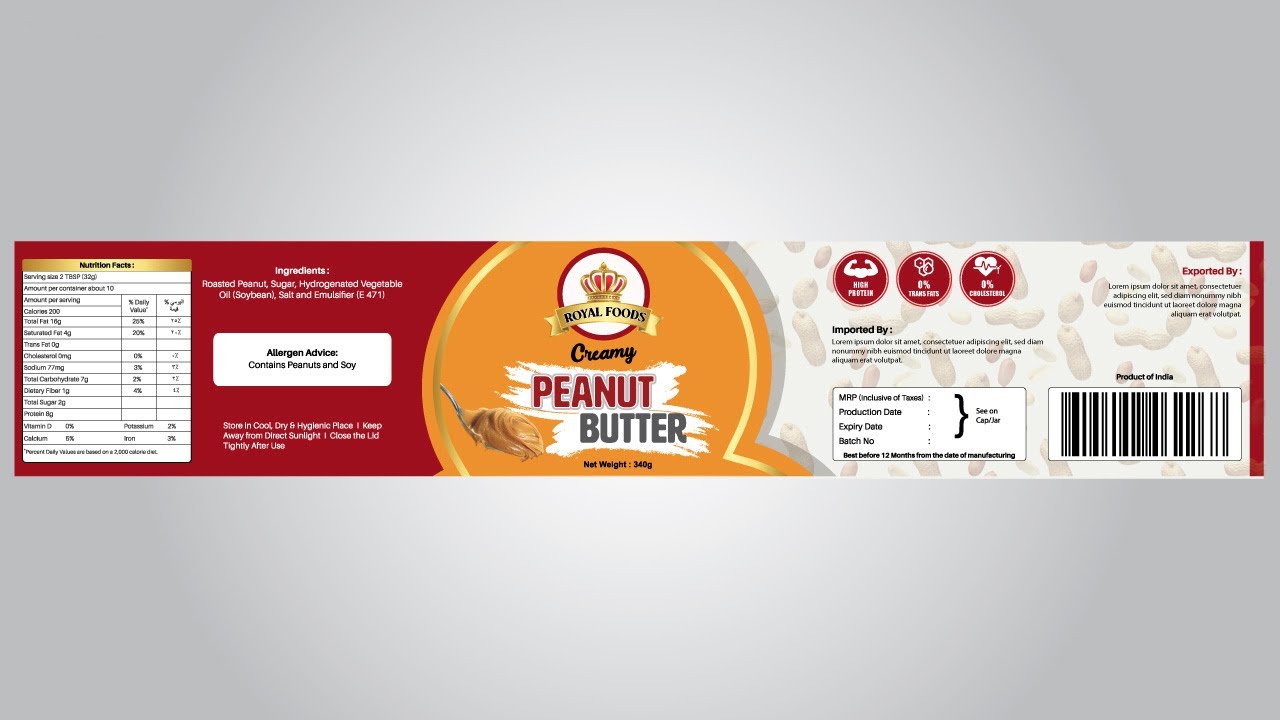
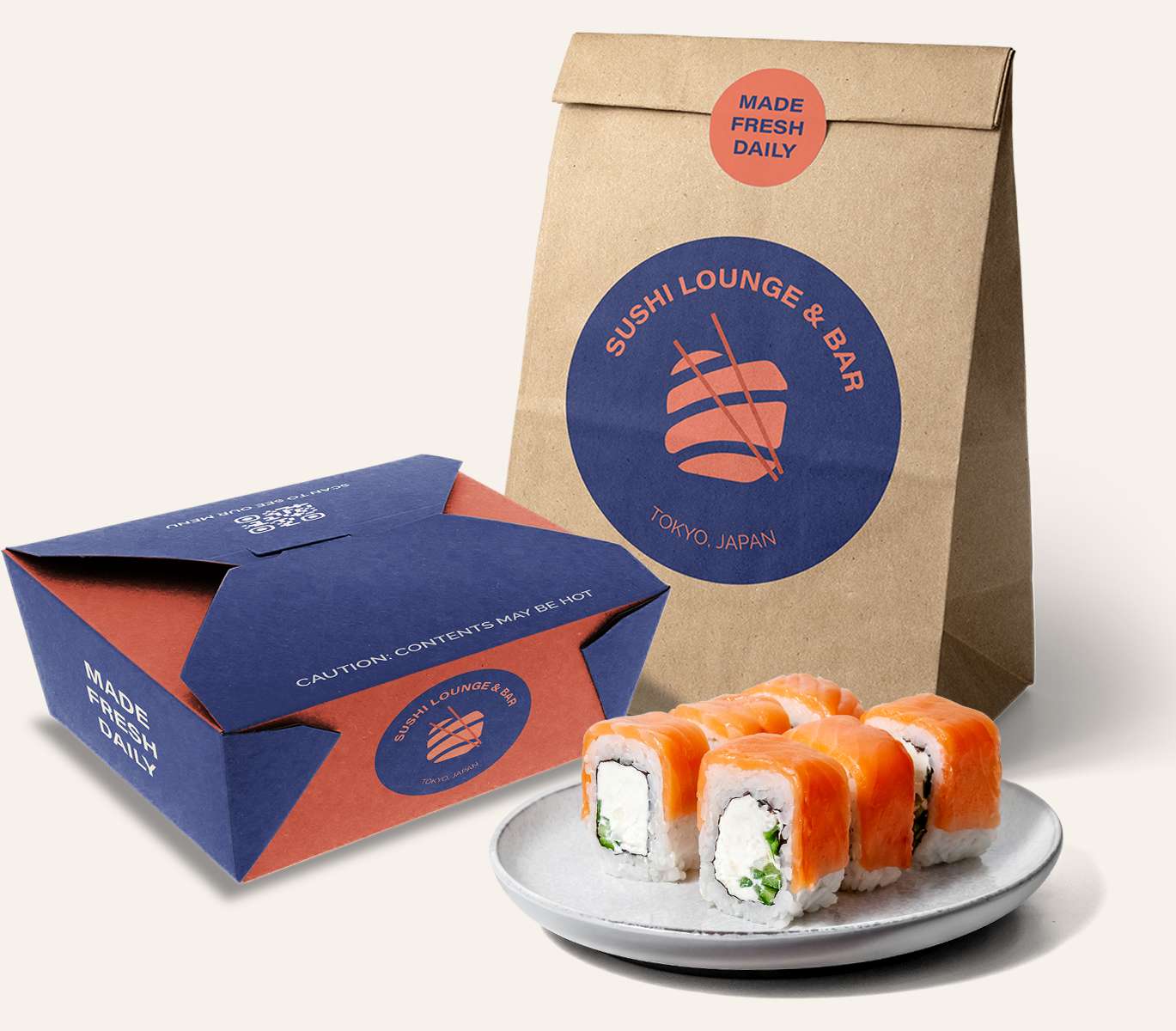
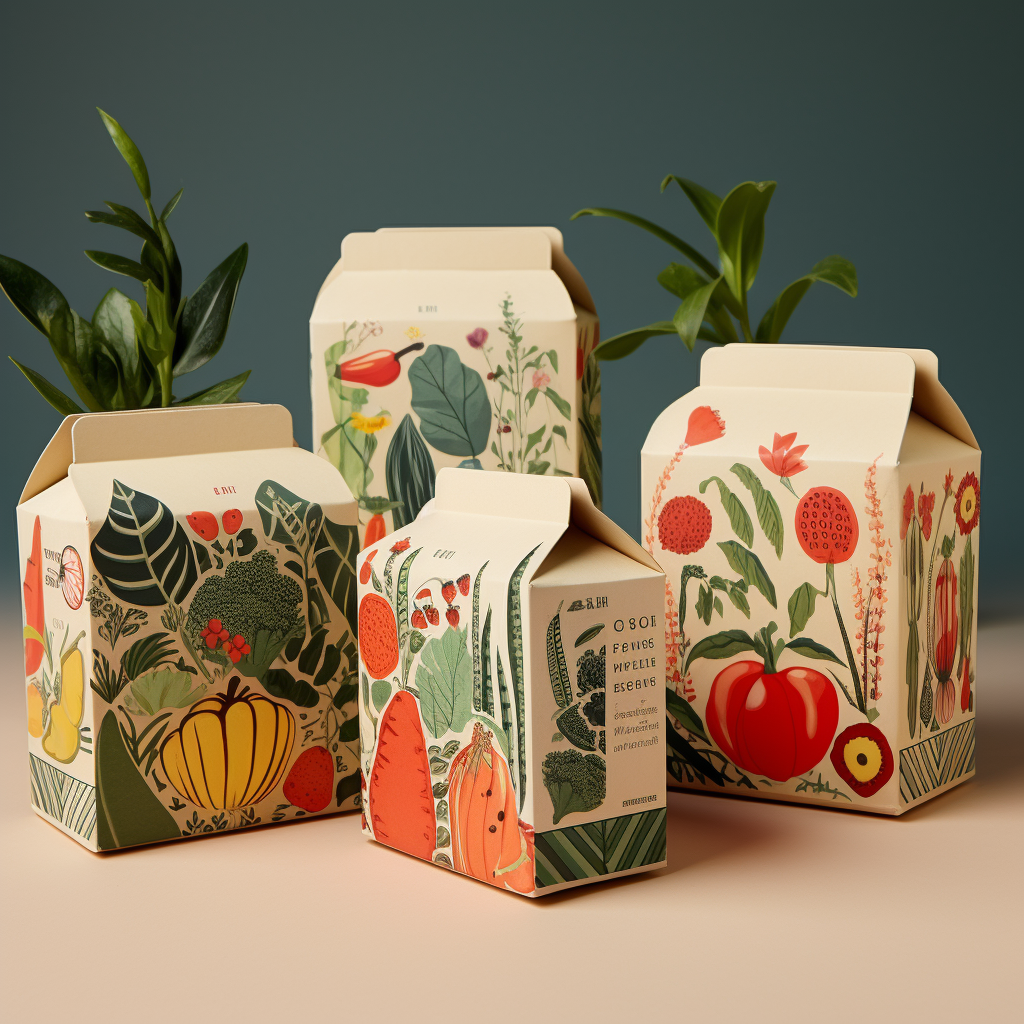
Use creative packaging: The design of a product's packaging can make all the difference between grabbing the consumer's attention and falling flat. Use striking visuals, icons, or graphics to stand out in a crowded marketplace.
-
Focus on the brand story: Develop a narrative around your brand that resonates with consumers and sets your company apart from competitors.
-
Make use of creative problem-solving: Think outside the box when it comes to developing new foods and production methods.
Techniques for Implementing Effective Food Product Design:
Product development in the food industry involves several strategies, including
Research and Development:
From concept generation and culinary testing to sensory assessments and pilot production, research and development form a critical part of every product development project.
Product Design:
Product design involves translating the insights and knowledge gathered through research and development into a physical product concept. This includes visual design, packaging, positioning, and overall brand relevance.
Pre-Production and Process Development:
Pre-production and process development aim to translate the product design into a viable commercial product, which involves scaling up production to commercial volumes, optimizing production processes, and planning for the supply chain.