Home Network Security Tips for Router: Protect Your Home Network from Hackers
Your home Wi-Fi network is not just a convenient way to connect your devices to the internet, but also a potential vulnerability that hackers can exploit to gain access to your personal and sensitive information. In this article, we will provide you with some crucial home network security tips for your router to safeguard your network from external threats.
Use Strong Passwords for Your Router
One of the most basic yet essential home network security tips for your router is to use strong and unique passwords. Avoid using the default username and password provided by your router manufacturer, as they are easily guessable by hackers. Instead, come up with a complex and unique password that combines uppercase and lowercase letters, numbers, and special characters.
Enable WPA3 Encryption
WPA3 is the latest encryption standard for Wi-Fi networks, offering enhanced security features such as individualized data encryption and automatic network monitoring. Enabling WPA3 encryption on your router will protect your network from unauthorized access and hacking attempts.
Regularly Update Your Router Firmware
Router firmware is the software that runs on your router and controls its functionality. Regularly updating your router firmware ensures that you have the latest security patches and features to protect your network from known vulnerabilities.
Disable Remote Access
Router manufacturers often provide a web interface that allows you to configure your router remotely. However, this feature can be a security risk if not properly secured. Disable remote access to prevent unauthorized access to your router settings and compromise your network security.
Use a VPN
A Virtual Private Network (VPN) is a technology that creates a secure, encrypted connection between your device and a VPN server. By using a VPN, you can protect your internet traffic and prevent hackers from Intercepting your data and sensitive information.
Disable WPS

Wi-Fi Protected Setup (WPS) is a feature that allows you to connect devices to your network easily. However, WPS can be a security risk if not properly configured. Disable WPS to prevent hackers from brute-forcing your WPS PIN and gaining unauthorized access to your network.
Turn off SSID Broadcast
SSID (Service Set Identifier) broadcast refers to the name of your wireless network that is broadcasted to the surrounding area. Turning off SSID broadcast can make it more difficult for hackers to detect your network, reducing the risk of unauthorized access.
Use Quality of Service (QoS) to Prioritize Traffic
Quality of Service (QoS) allows you to prioritize certain types of traffic over others, ensuring that critical applications like video conferencing and online gaming receive high levels of priority. This can also help to prevent bandwidth-intensive activities from consuming all available bandwidth and slowing down your network.
Use a Guest Network
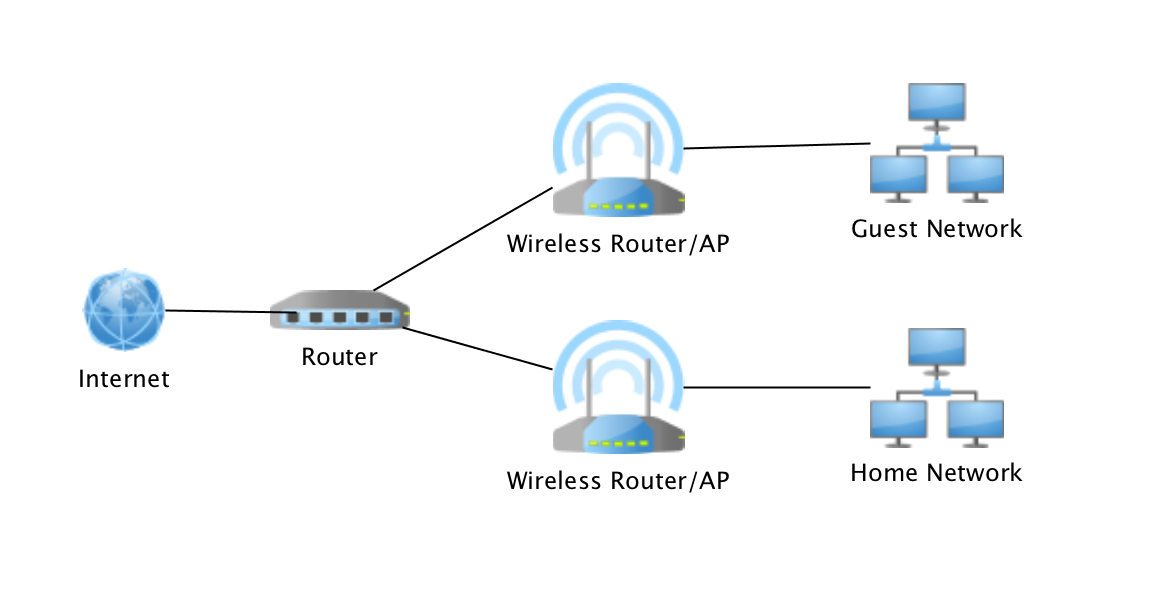
Creating a guest network can help to segregate your main network from your guest network, preventing unauthorized access to your sensitive information. By setting up a separate guest network, you can ensure that your main network remains secure and private.
Regularly Monitor Your Network
Regularly monitoring your network for suspicious activity and potential security threats is crucial to protecting your home network from hackers. Use third-party tools to scan your network and identify potential vulnerabilities.
Use a Secure Router
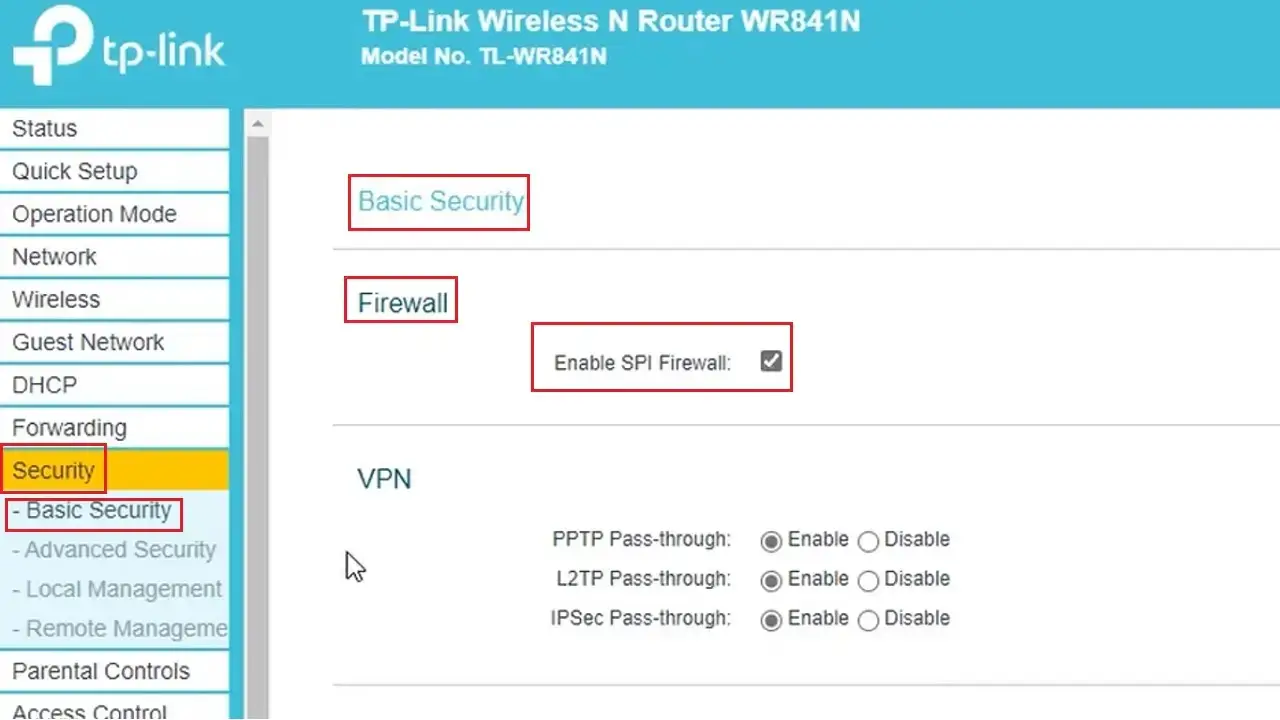
Invest in a secure router that offers robust security features, including built-in intrusion detection and prevention, anti-virus protection, and a robust firewall. A secure router can help to protect your network from a wide range of threats and vulnerabilities.
By following these home network security tips for your router, you can protect your home network from hackers and ensure that your devices and sensitive information remain secure. Remember to stay informed about the latest security threats and best practices to ensure your network is always protected.