How to Protect IP Address from IPv6
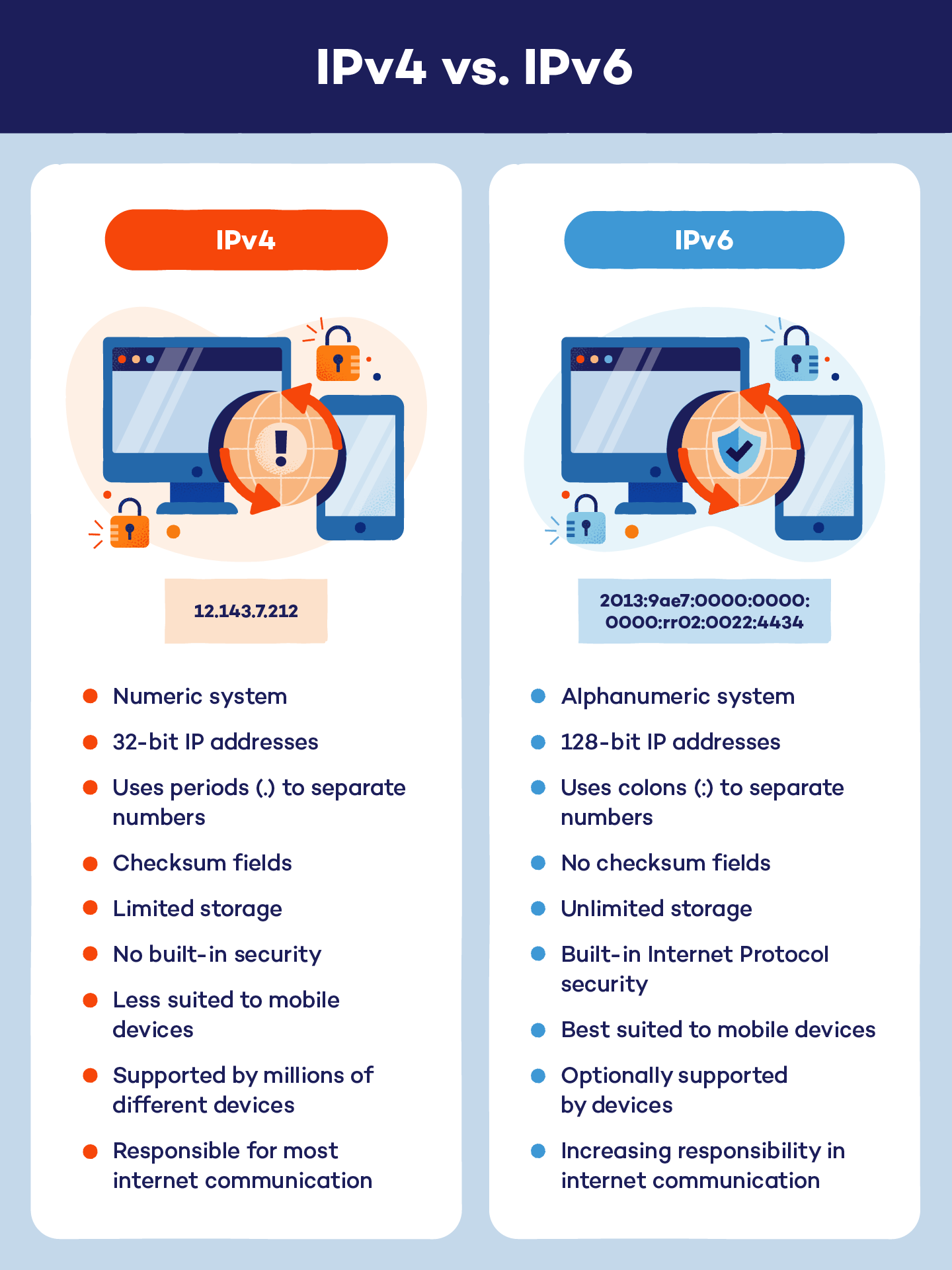
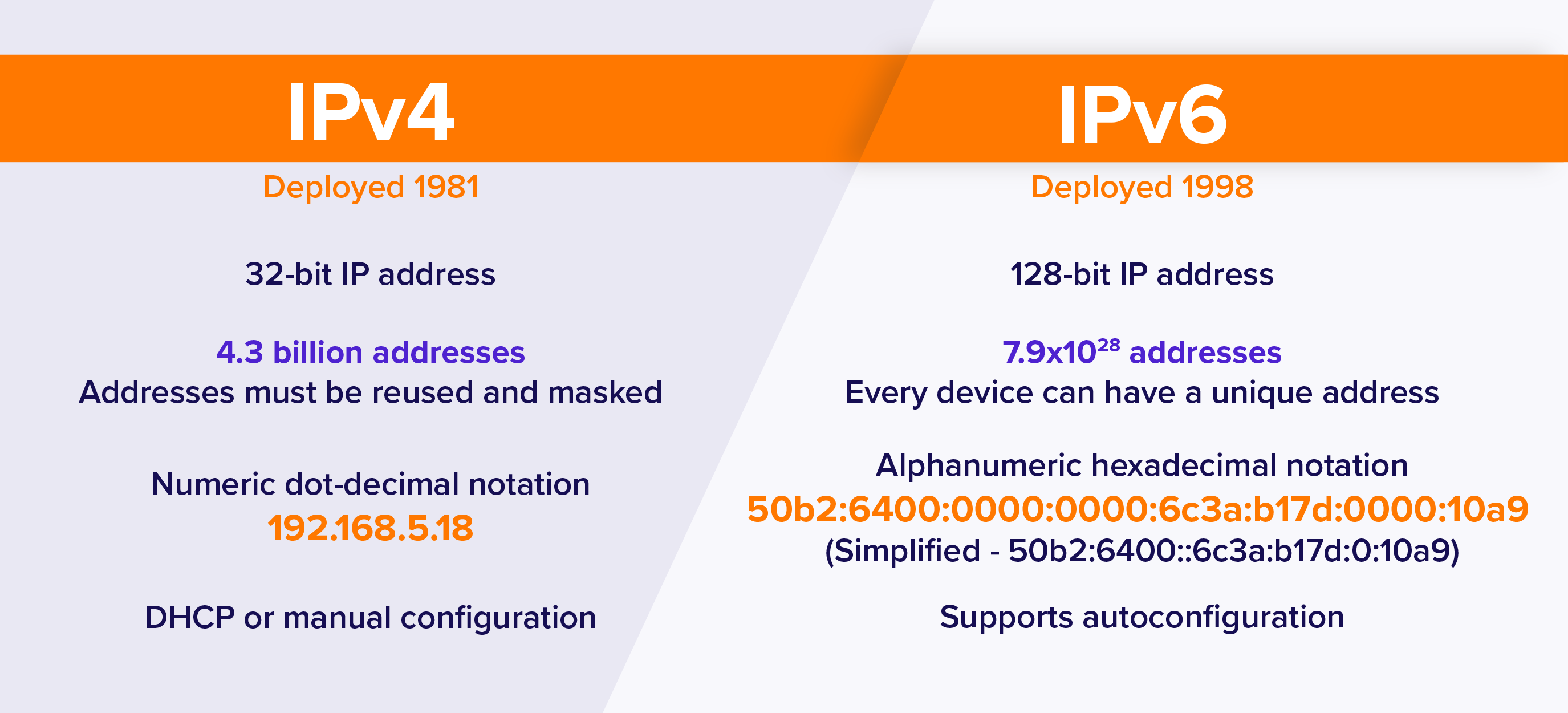
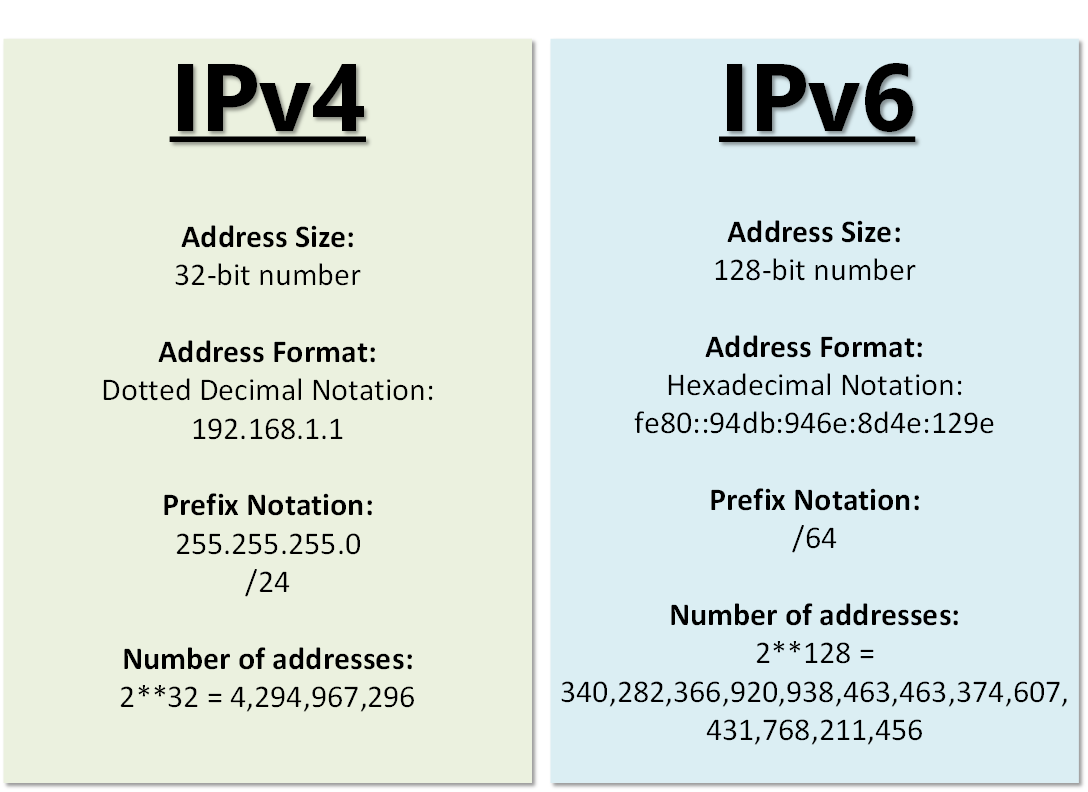
With the increasing number of networked devices requiring routable IP addresses, the IPv4 address space is inadequate to meet current and future needs. This is where IPv6 comes in, providing a vast address space to support the growth of the internet. However, IPv6 also brings its own set of security challenges, particularly when it comes to protecting IP addresses from cyber attacks.
Understanding IPv6 Security
IPv6 security requires a different approach compared to IPv4. With IPv6, the address space is much larger, making it more difficult to track and identify malicious traffic. Moreover, IPv6 introduces new security features and protocols that need to be implemented to protect against emerging threats. It's essential to get to grips with IPv6 security to ensure your network and devices are secure.
Protecting IP Address from IPv6
There are several methods to protect IP address from IPv6 threats. Here are some of the most effective strategies:
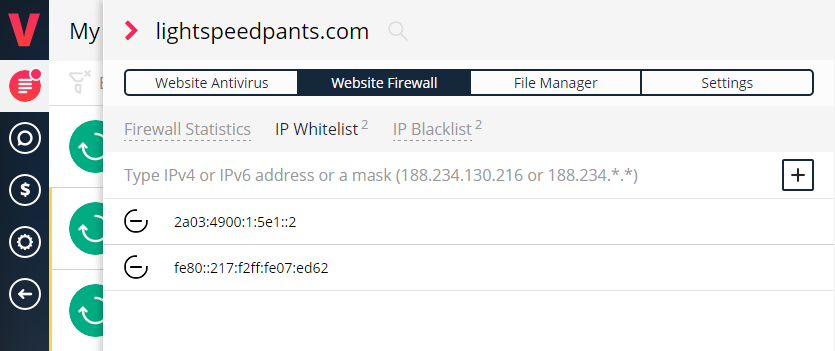
- Implement Firewall Rules: Configure your firewall to block suspicious traffic and prevent unauthorized access to your network. Ensure that your firewall rules are up-to-date and aligned with the latest IPv6 security guidelines.
- Use IPv6-specific Security Tools: Deploy IPv6-specific security tools and strategies to deal with the vulnerabilities of IPv6. Examples include Intrusion Detection Systems (IDS) and IPv6 ACLs.
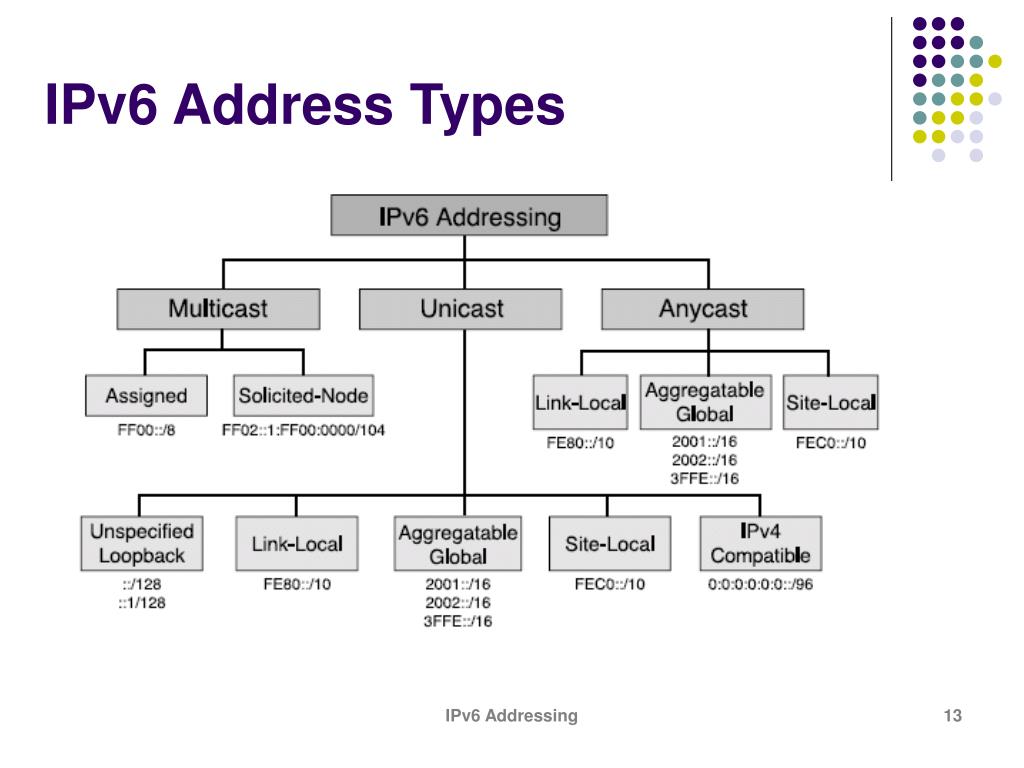
- Canonicalize IPv4-mapped IPv6 Addresses: Ensure that your systems correctly canonicalize IPv4-mapped IPv6 addresses to prevent attacks that rely on inaccurate IP address validation.
- Use VPN and Proxies: Utilize VPNs and proxies to mask your IP address and protect yourself from IPv6 leaks. A VPN can help you encrypt your internet traffic and prevent third-party access to your IP address.
- Regularly Update Your DNS Configuration: Ensure that your DNS configuration is up-to-date and aligned with the latest IPv6 security guidelines. Regularly update your DNS records to prevent DNS-related attacks.
Best Practices for IPv6 Security
Here are some best practices to follow for IPv6 security:
- Implement IPv6 ACLs: Configure your router to filter IPv6 traffic and prevent unauthorized access to your network.
- Deploy IPv6-specific Security Tools: Utilize IPv6-specific security tools, such as IDS systems, to detect and prevent IPv6-related threats.
- Use Secure Routing and Connecting: Ensure that your routers and network devices are segmented and connected securely to prevent IPv6-related attacks.
: Regularly audit your IPv6 configuration to identify areas of weakness and implement necessary security measures.

Conclusion
Protecting your IP address from IPv6 threats requires a comprehensive approach that includes implementing robust firewall rules, using IPv6-specific security tools, canonicalizing IPv4-mapped IPv6 addresses, and utilizing VPNs and proxies. Regularly updating your DNS configuration and deploying best practices for IPv6 security are also essential to prevent IPv6-related attacks. By following these guidelines and best practices, you can ensure a secure and reliable connection to the internet.
IPv6-Specific Security Tools and Strategies
IPv6-specific security tools and strategies are designed to deal with the vulnerabilities of IPv6. Some examples include:
- Intrusion Detection Systems (IDS): IDS systems can detect and prevent IPv6-related threats by analyzing network traffic and identifying suspicious patterns.
- IPv6 ACLs: IPv6 Access Control Lists (ACLs) can filter IPv6 traffic and prevent unauthorized access to your network.
- IPv6-specific Firewall Rules: Implementing IPv6-specific firewall rules can help prevent IPv6-related attacks by blocking suspicious traffic.
Cisco IOS IPv6 ACL
Cisco IOS IPv6 ACL is a powerful feature that allows you to filter IPv6 traffic. Here are some of its key benefits:
- Stateful Protocol Inspection: Cisco IOS IPv6 ACL can inspect and filter fragmented IPv6 packets, as well as TCP, UDP, and ICMP traffic.
- IPv6 Coexistence: Cisco IOS IPv6 ACL can handle coexistence of IPv4 and IPv6 traffic without requiring new hardware.
- IPv6 Extension Header Handling: Cisco IOS IPv6 ACL can recognize and handle IPv6 extension headers, such as routing headers and hop-by-hop options headers.