How to Keep Your Online Activity Private
Want to mask your online identity and shield your data from those who wish to surveil you? In today's digital age, staying private online can seem like a daunting task. However, with the right tools and precautions, you can take control of your digital footprint and keep your data safe from unwanted eyes.
Understanding the Importance of Online Privacy
Every time you're online, you're generating data. This data can be collected, analyzed, and even sold to third parties, including advertisers, companies, and governments. Your online activity, from browsing history to search queries, is a treasure trove of information that can be used to profile and target you. Protecting your online privacy is essential to avoiding this invasion of personal space.
Tools and Techniques for Online Privacy
Fortunately, there are numerous tools and techniques available to help you keep your online activity private. Here are a few:
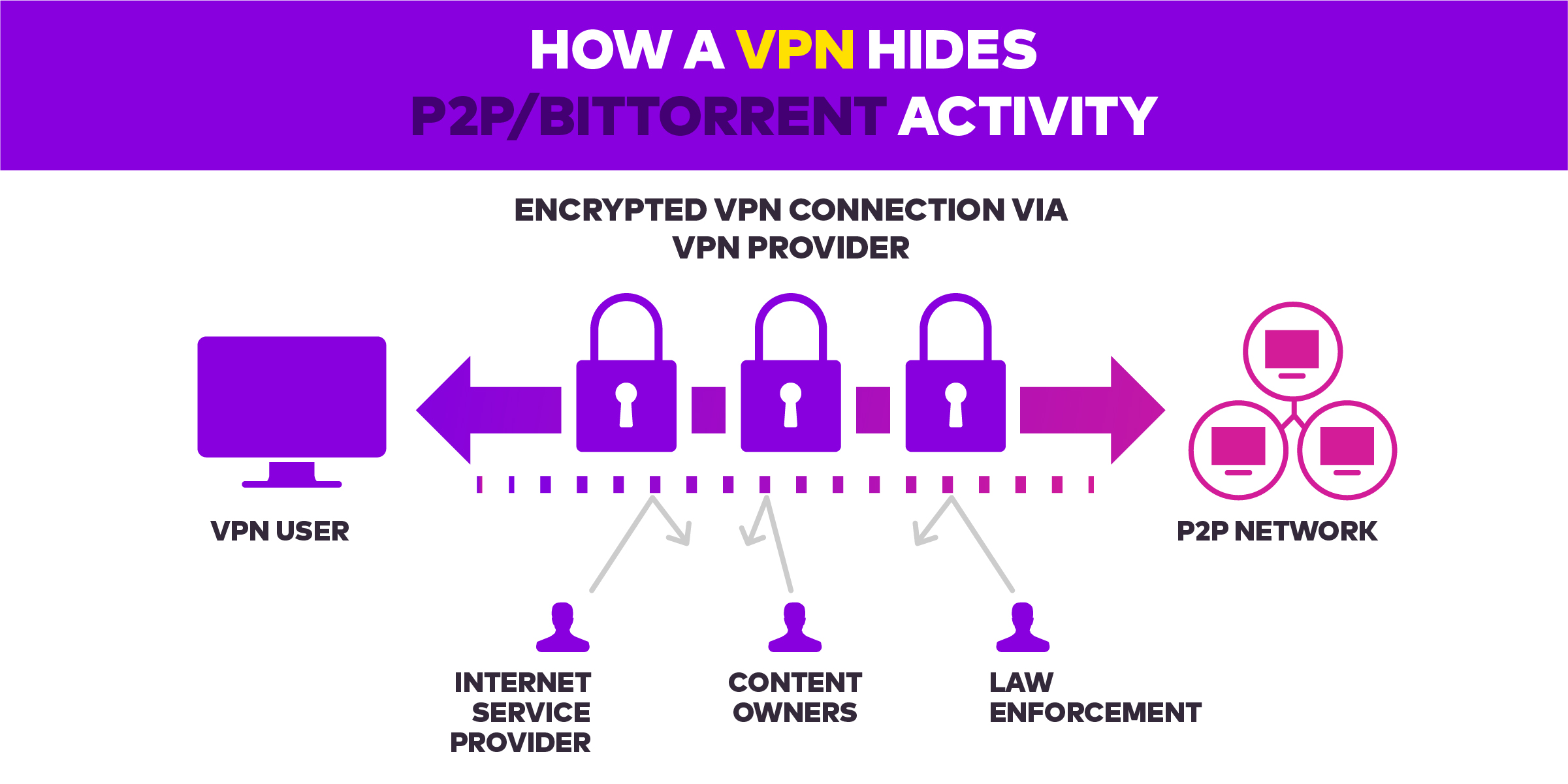
- Virtual Private Networks (VPNs): A VPN encrypts all web traffic from browsers and other web apps, hiding your IP address, browsing history, and other online activity from your ISP and other third parties.
- Tor: A free, open-source browser that anonymizes your online activity, routing it through multiple servers around the world to conceal your IP address.
- Burner Emails: Disposable email accounts that can be used for temporary purposes, such as signing up for newsletters or online services, without exposing your real email address.
- Bitcoin and Other Cryptocurrencies: Decentralized, anonymous payment systems that allow for secure and private transactions.
Best Practices for Online Privacy

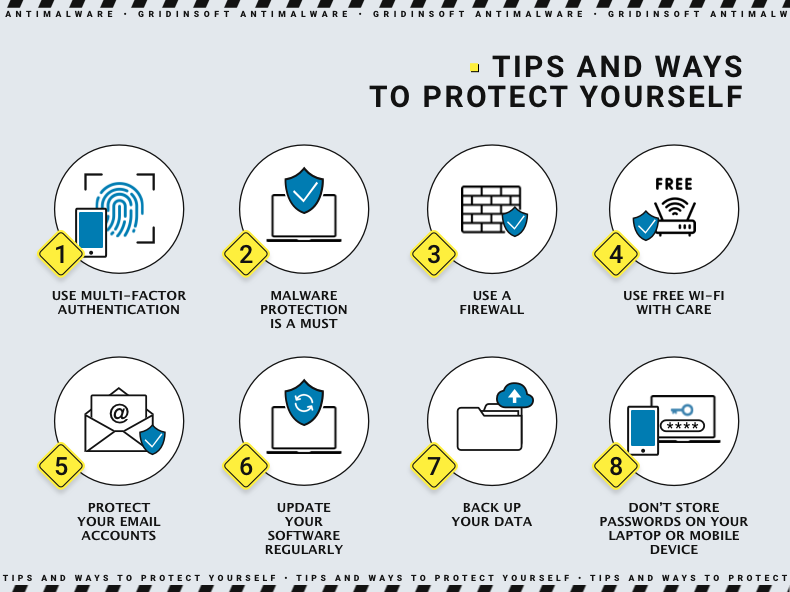
While tools and techniques can help, there are certain best practices to follow to ensure your online activity remains private:
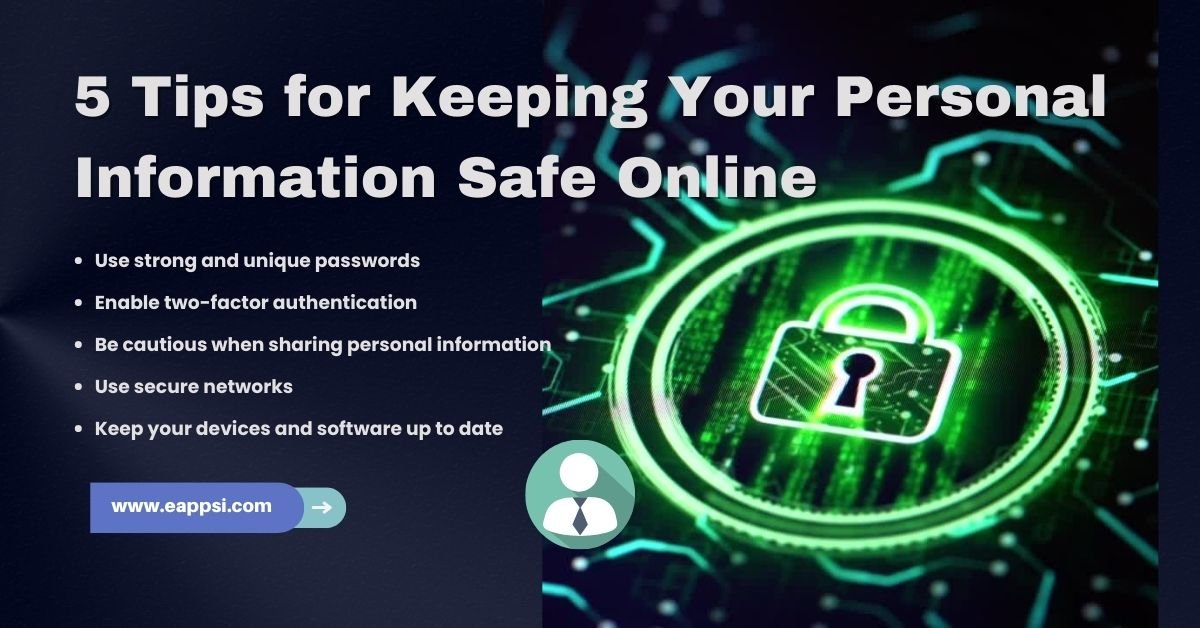
- Use strong, unique passwords for all online accounts and services.
- Enable two-factor authentication (2FA) whenever possible to add an extra layer of security to your accounts.
- Keep your software and operating system up-to-date with the latest security patches and updates.
- Be cautious when clicking on links or opening email attachments from unknown sources.
- Use a reputable antivirus program to scan your device for malware and other online threats.
Conclusion
Protecting your online activity is a crucial aspect of digital self-defence. By understanding the importance of online privacy, utilizing the right tools and techniques, and following best practices, you can safeguard your data and keep your online activity private. Remember, your online footprint is yours to control. Take the necessary steps today to keep it secure.
Keep Your Spies and Snoops Out of Your Business
Retain complete control over your digital life. Choose from a variety of encryption options to conceal your activity. Use a VPN to keep hackers and cybercriminals away from your online presence.