How to Protect Identity from Online Stalkers
In today's digital age, online stalking has become a pressing concern for individuals of all ages. With the rise of social media and the internet, it's easier than ever for stalkers to gather information about their victims and track their every move. If you're a victim of online stalking, you know how scary and intimidating it can feel. But there are steps you can take to protect your identity and stay safe online.
Understanding Online Stalking
Online stalking, also known as cyberstalking, is the use of digital technology to track and harass someone. This can include monitoring their online activities, gathering personal information, and threatening or intimidating them through email, social media, or other online means. Cyberstalkers may use various tactics to get what they want, including:
- Constantly checking in on someone and trying to get their attention
- Making repeated unwanted contact with someone by calling, emailing, texting, messaging, or asking inappropriate questions
- Repeatedly sending, posting, or sharing unwanted or threatening messages
- Using social media to gather personal information or track someone's location
- Threatening or intimidating someone through online means
Protecting Your Identity from Online Stalkers
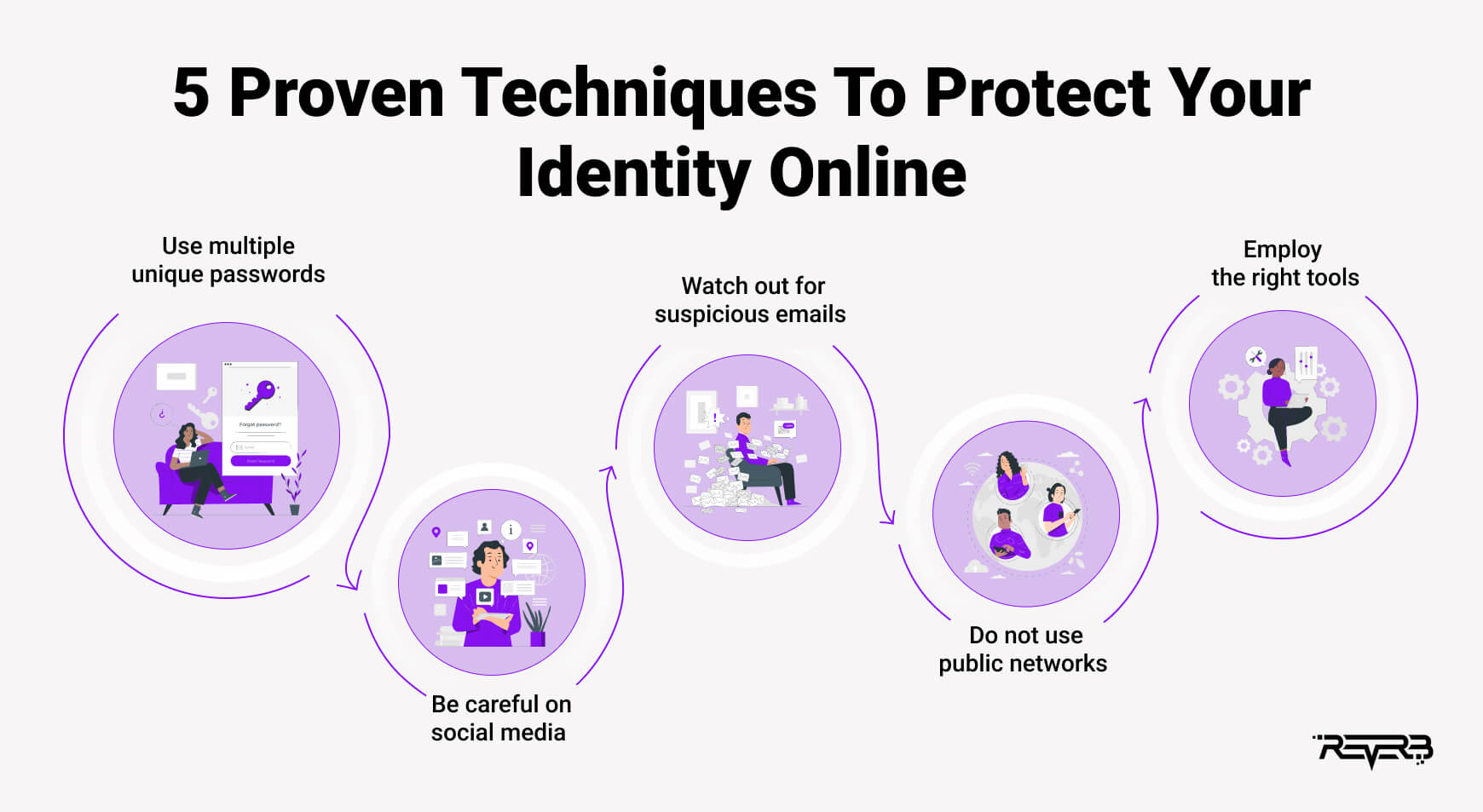
Tip 1: Be Mindful of Your Online Presence
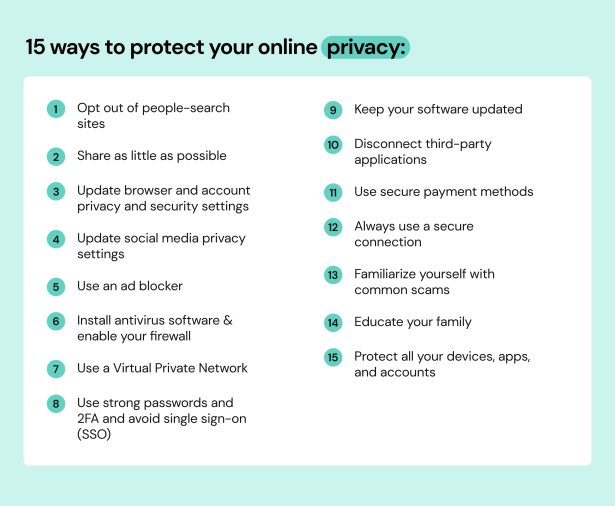
Online stalkers often start by gathering personal information about their victims from social media, public records, or other online sources. To protect yourself, be mindful of your online presence and make sure:
- Facebook and other social media accounts are set to private
- Old accounts or profiles are deleted
- Any personal information shared online is secure and not easily accessible
Tip 2: Use Strong, Unique Passwords
Weak or duplicate passwords can put you and your accounts at risk. To stay secure:
- Use a password manager to generate and store unique, complex passwords
- Avoid using easily guessable passwords, such as birthdates or anniversaries
- Change passwords regularly and update them when new accounts are created
Tip 3: Monitor Your Online Activities
Online stalkers often try to infiltrate their victim's online activities, such as hacking into emails or social media accounts. To stay safe:
- Regularly review your online activities, including account login history and password changes
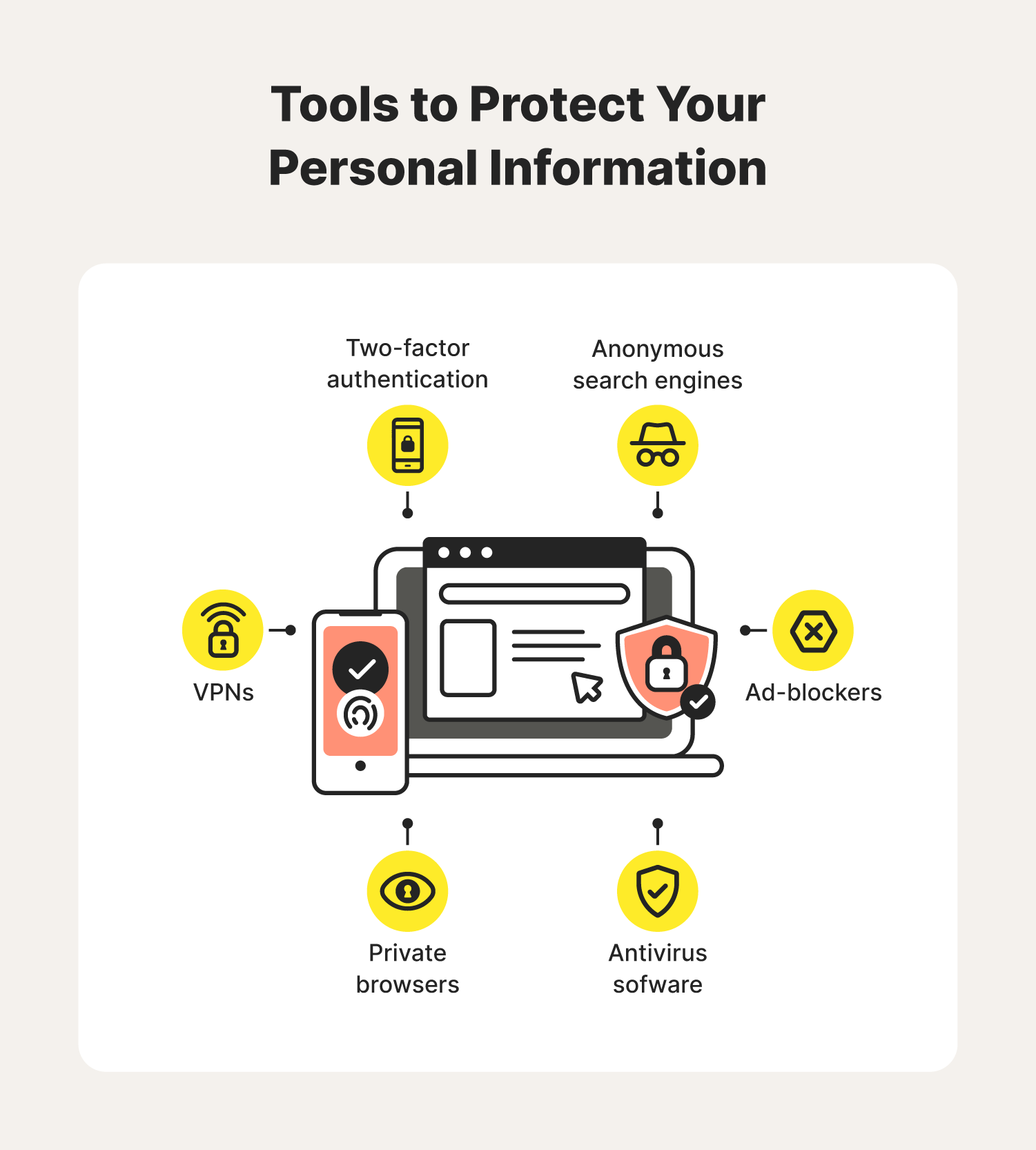
- Use two-factor authentication (2FA) whenever possible li>Keep an eye out for suspicious activity or unfamiliar logins
Tip 4: Secure Your Devices and Networks
Online stalkers often seek to gain access to their victim's devices and networks to gather information or track their location. To stay safe:
- Regularly update software, operating systems, and security patches
- Use reputable antivirus software and a firewall
- Set up a guest network for visitors and use a VPN to secure online activity
Tip 5: Seek Help and Support
If you're a victim of online stalking, it's essential to seek help and support. Don't hesitate to:
- Reach out to a trusted friend or family member
- Contact local authorities or a lawyer li>Consider counseling or therapy to cope with the emotional impact
Conclusion
Protecting your identity from online stalkers requires a proactive approach to online safety and security. By being mindful of your online presence, using strong passwords, monitoring your online activities, securing your devices and networks, and seeking help and support, you can reduce the risk of online stalking and stay safe online. Remember, your safety and security are crucial, and taking these steps can make a significant difference in protecting yourself from threatening situations.
References:
- ProtectYourself from Cyberstalkers: A Practical Guide, [Feb 28, 2026]
- Learnhowtodetect internetstalkers, block threats, and safeguard your privacyonline. A complete guide to protecting yourself fromonlineharassment. [Aug 23, 2025]
- Learn 10 essential tips to safeguard your privacy and securityonline. We cover precautions like enabling 2FA, using privacy-focused browsers, monitoring your presence, and securing accounts with strong passwords toprotectyourself from harassment, stalking, andidentitytheft. [Apr 22, 2024]