How to Protect Coral Reefs: A Comprehensive Guide
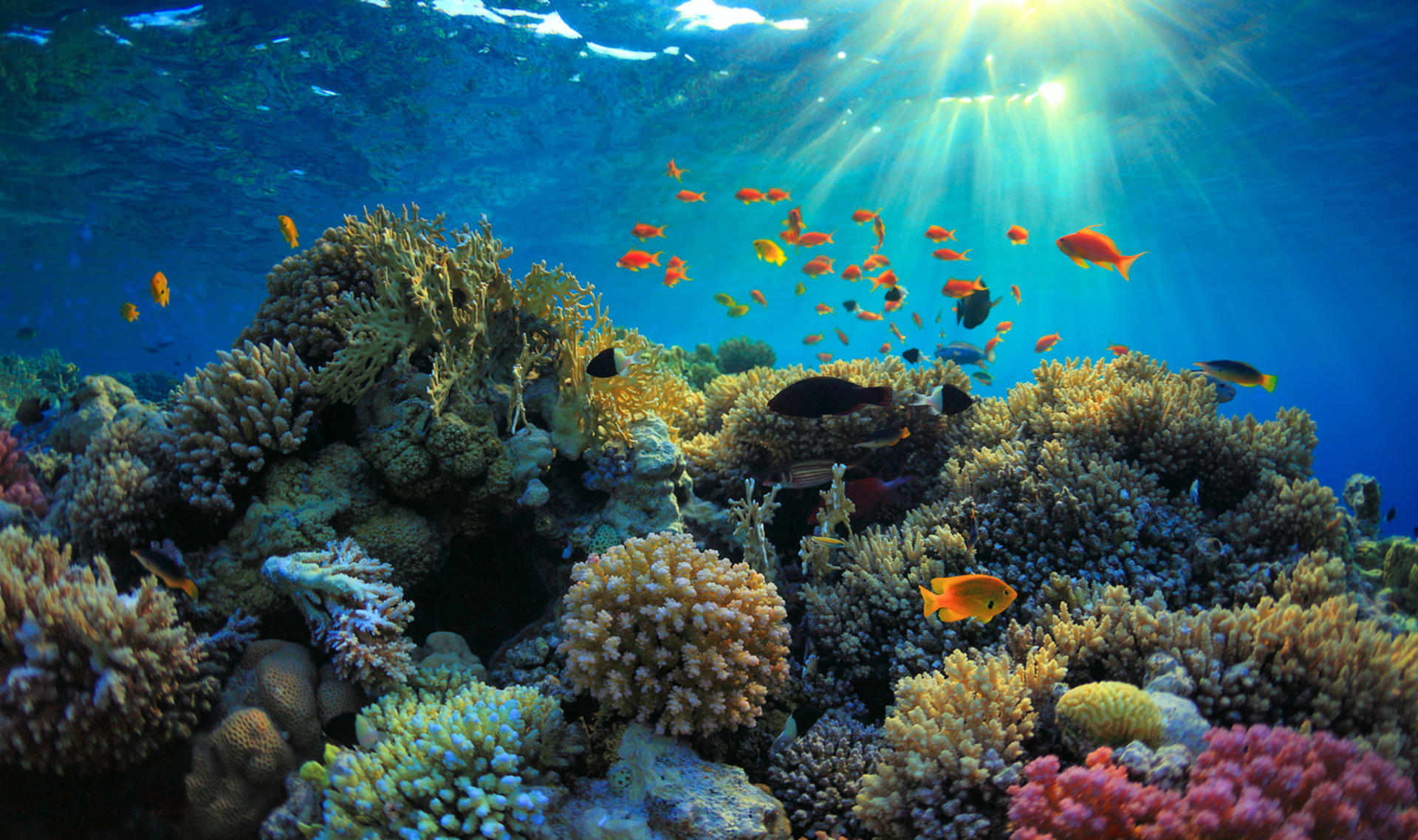
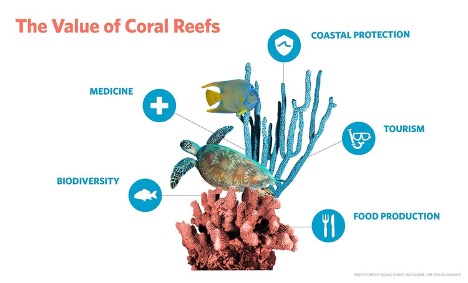
Coral reefs are among the most biologically diverse and valuable ecosystems on Earth, providing coastal protection, habitat for fish, and millions of dollars in recreation and tourism. However, these vital ecosystems face severe threats from climate change, pollution, overfishing, and destructive tourism practices.
Understanding the Threats to Coral Reefs
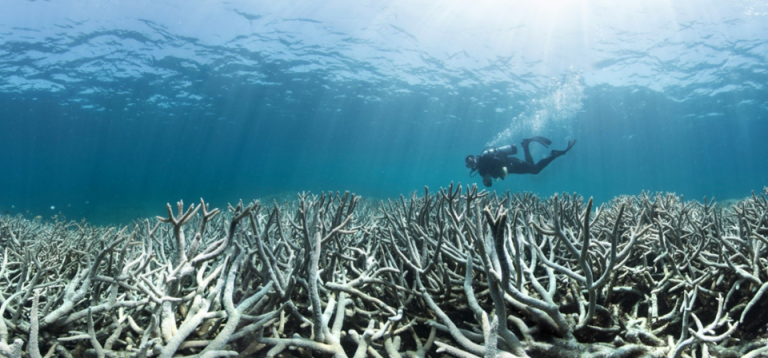
Coral bleaching, ocean acidification, coral-eating predators, and overfishing are some of the major threats to coral reefs. Rising temperatures and climate change are causing widespread coral bleaching, while ocean acidification is weakening the coral's skeleton, making it more susceptible to predators.
Protecting Coral Reefs: A Shared Responsibility
Protecting coral reefs is a collective responsibility that requires the concerted efforts of governments, organizations, and individuals. Organizations like the International Fund for Animal Welfare (IFAW) have been at the forefront of efforts to protect and preserve coral reef ecosystems worldwide.
Strategies for Coral Conservation
Four proven strategies for coral conservation that are saving reefs worldwide include:
- Marine Protected Areas (MPAs): Creating MPAs can help safeguard coral reefs from human impacts and provide a safe haven for marine life.
- Education and Community Engagement: Raising awareness about the importance of coral reefs and involving local communities in conservation efforts can foster a sense of ownership and responsibility.
- Policy Support: Governments and policymakers can play a crucial role in protecting coral reefs by implementing policies that address local and global threats.
Simple Tips to Protect Coral Reefs
Here are some simple tips to help protect coral reefs and the marine life that depends on them:
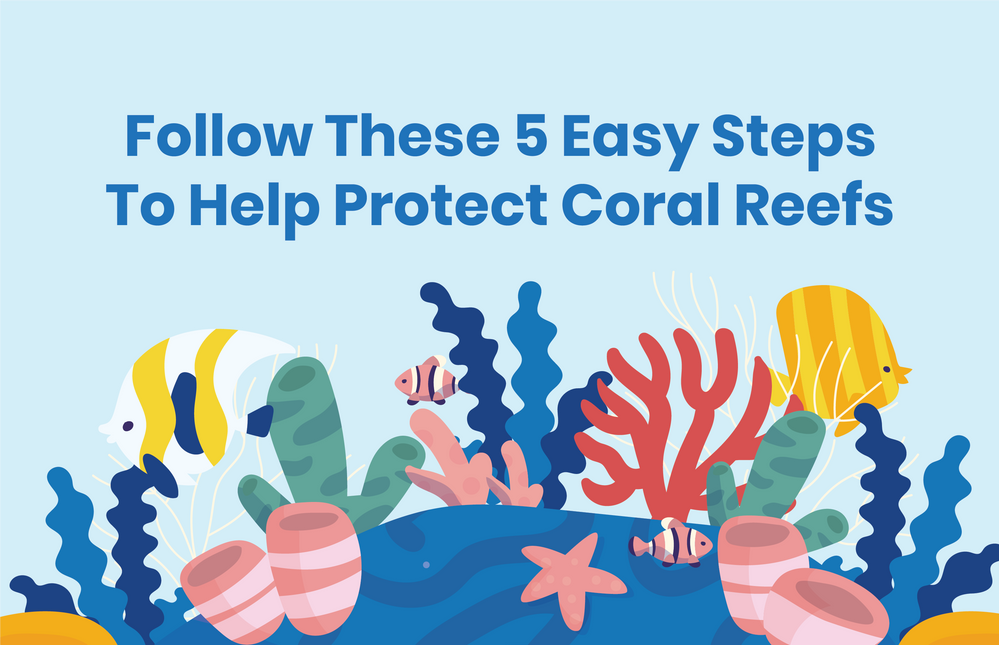
- Choose reef-safe sunscreen: Some sunscreens contain chemicals that can harm coral reefs; select a reef-safe sunscreen instead.
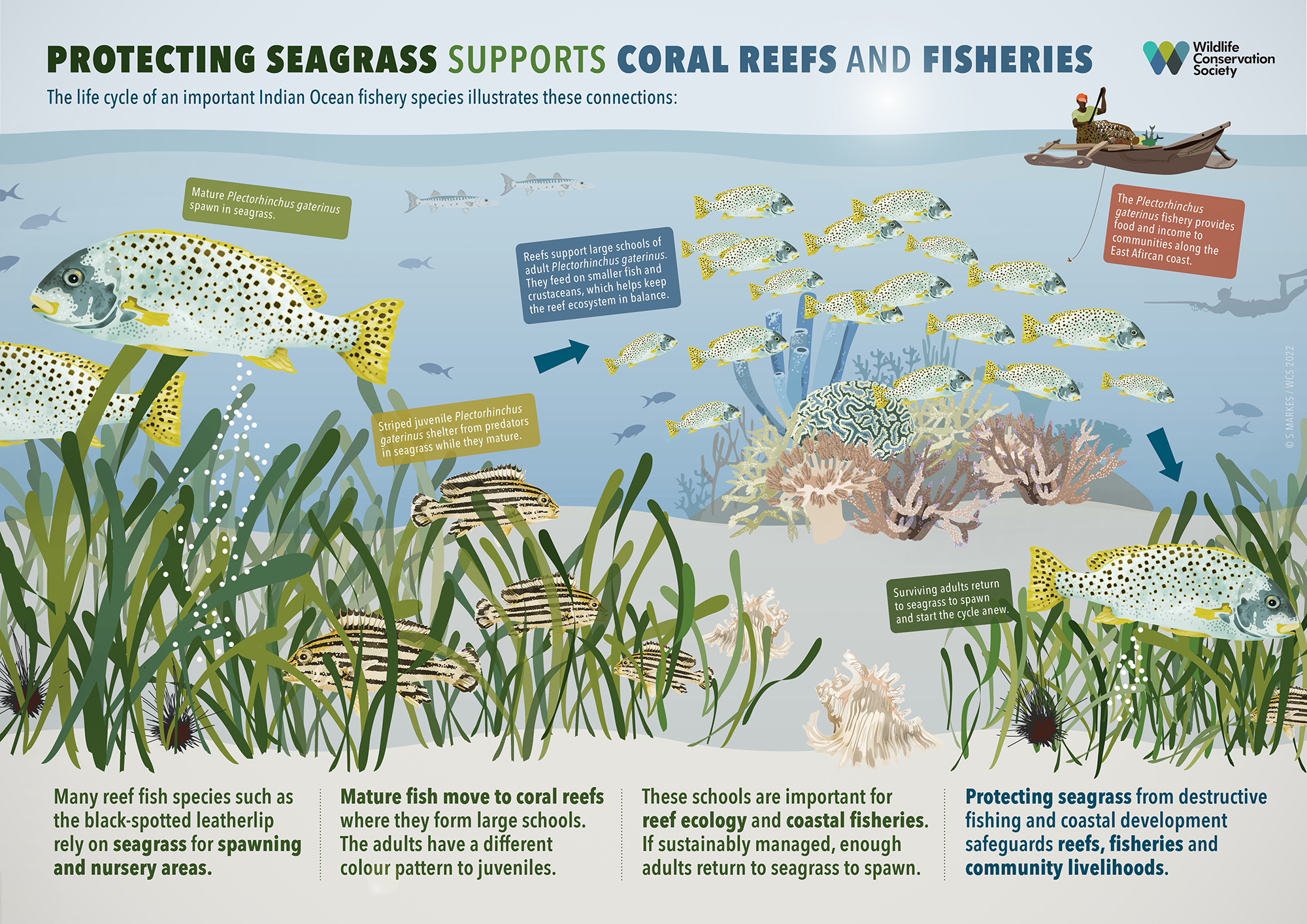
- Conservation and sustainable seafood: Support sustainable seafood and choose seafood that is certified by organizations like the Marine Stewardship Council.
- Volunteer: Participate in beach cleanups, coral reef restoration efforts, or other conservation activities to make a difference.
- Use reef-friendly anchorages: Avoid anchoring on coral reefs and use reef-friendly anchorage methods instead.
Artificial Reefs: A Band-Aid or a Lifeline?
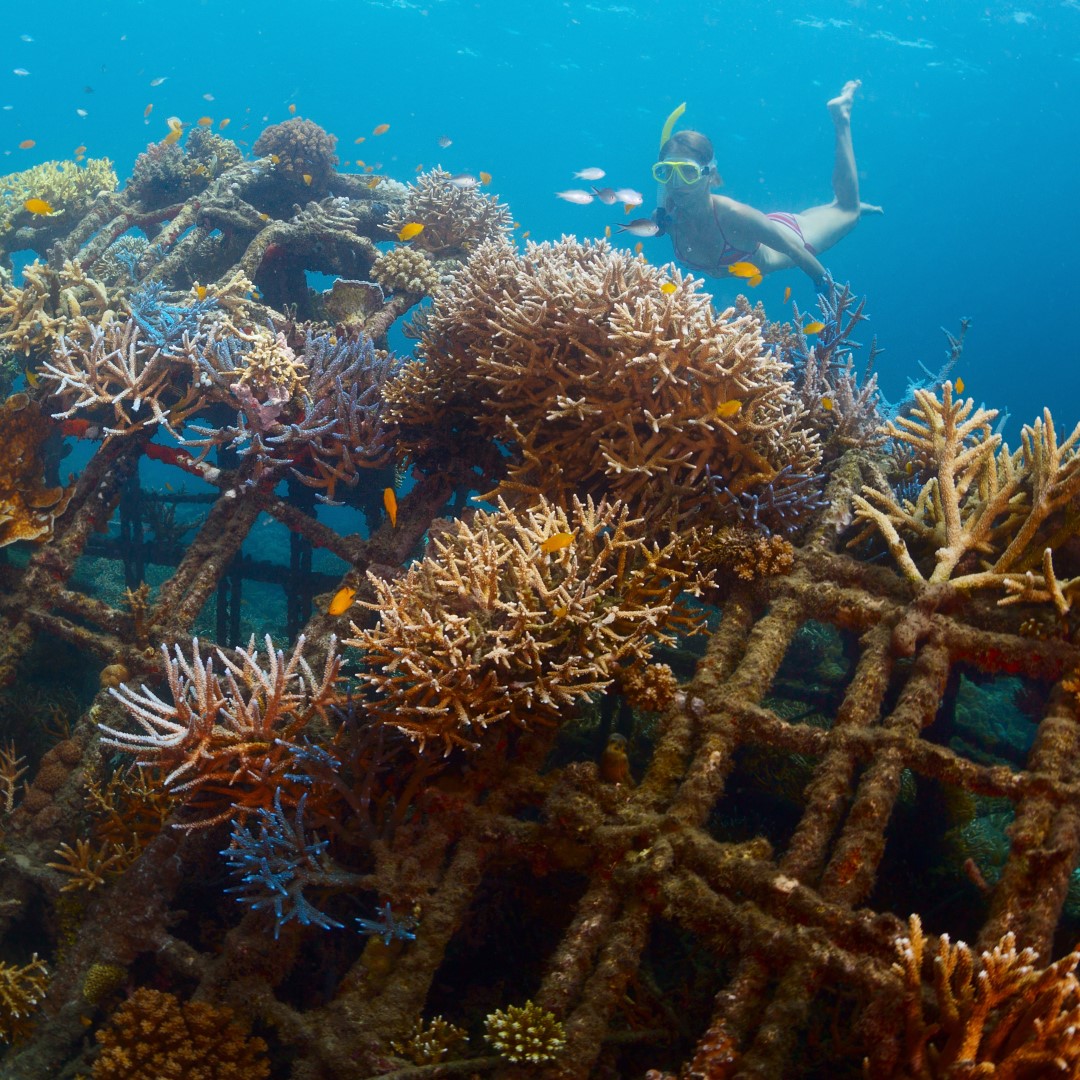
Artificial reefs can provide a temporary solution to coral reef degradation, but they are not a substitute for protecting natural reefs. Climate change, ocean acidification, pollution, and overfishing remain urgent threats that require immediate attention.
Coral Reef Conservation: A Global Effort
Protecting coral reefs requires a global effort that involves governments, organizations, and individuals. By working together, we can address local and global threats to coral reefs and preserve these vital ecosystems for future generations.
Conclusion
Protecting coral reefs is a daunting task that requires collective action and a shared sense of responsibility. By understanding the threats to coral reefs, implementing effective conservation strategies, and making individual choices, we can help safeguard these vital ecosystems and preserve the diversity of life on our planet.
Further Resources
For more information on coral reef conservation, visit the websites of organizations like the International Fund for Animal Welfare (IFAW), the World Wildlife Fund (WWF), and the National Oceanic and Atmospheric Administration (NOAA).