How to Secure Your Wi-Fi Router: A Step-by-Step Guide
Why Router Security Matters
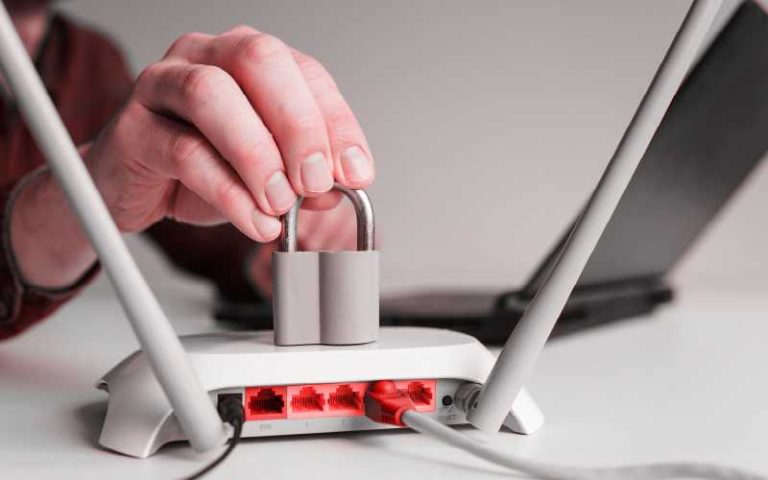
Routers have evolved significantly in recent years, but hackers have kept pace. The latest Wi-Fi 7 routers feature robust security features like WPA3 encryption, automatic firmware updates, and built-in security to safeguard your home network. If you're still using an older router or an ISP-issued one, it's time to take control.
Understanding the Problem
If your home Wi-Fi network is not secure, cyber threat actors can carry out a range of malicious activities, including:
- Unauthorized access to your network and devices
- Malware and ransomware attacks
- Theft of sensitive information
- Interception of personal data
Securing Your Home Wi-Fi Network
Securing your home Wi-Fi network is crucial to prevent these cyber threats. Here are the essential steps to take:
Change Your Passwords
Update both the administrator password (which grants access to the management interface) and the Wi-Fi password to ensure your network remains secure. You may need to reset your router's age-based settings.
Use WPA3 Encryption
The latest Wi-Fi protocol, WPA3, provides enhanced security features to safeguard your Wi-Fi traffic. Enabling WPA3 encryption on your router is a must to prevent Wi-Fi eavesdropping.
Change the Default Administrator Password
Replace the default administrator password to prevent unauthorized access to your router's management interface.
Update Your Firmware Regularly
Regularly update your router's firmware to stay ahead of security threats and fix known vulnerabilities.
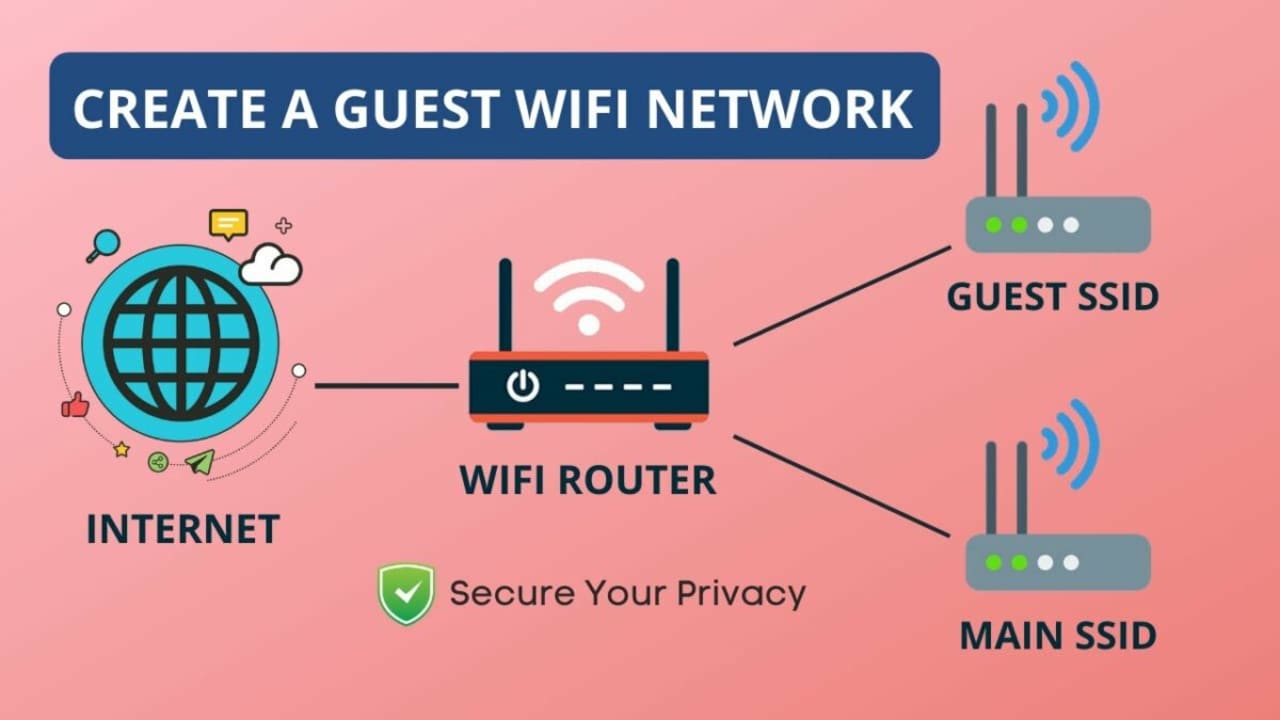
Set Up a Guest Network
Isolate your main network from your guest network to prevent unauthorized access to your main network.
Change the Default Wi-Fi Network Name
Update your default Wi-Fi network name to prevent a network scan for easy detection.
Disable Remote WPS (Wi-Fi Protected Setup)
Turn off WPS to prevent unauthorized access to your network.
Use a VPN
Create a separate VPN connection for online activities that require a high level of security.
Manage Your Devices
Use the MAC filtering option on your router to control which devices can connect to your network.
Protecting Your Devices
Securing your Wi-Fi network is not just about keeping it safe from external threats. Here's how you can protect your devices:
- Use strong passwords and long passphrases
- Keep all software up to date
- Use antivirus software and anti-malware tools
- Insist on 2-factor authentication
Best Practices for Wi-Fi Router Security
Here are some general tips to keep your Wi-Fi router secure:
- Switch off your router when not in use
- Update your router's firmware regularly
- Set up a guest network
- Use WPA3 encryption
- Stay aware of the latest security threats
Conclusion
Securing your Wi-Fi router is no longer optional. By taking these essential steps and adopting best practices, you can protect your home network from cyber threats, safeguard your devices, and prevent unauthorized access to your personal data.
Learn more
For real-time security news, tips, and expert advice, visit CNET's Security Hub.