How to Start a Business: A Comprehensive Guide
Starting a business can be a thrilling experience, but it can also be overwhelming for the unprepared. Whether you're a seasoned entrepreneur or just starting out, this guide will walk you through the steps involved in how to start a business successfully.
Understanding the Basics
Before diving into the nitty-gritty of starting a business, it's essential to grasp the basic principles. Knowing how to start a business begins with understanding your business idea. This could be a product, service, or a mix of both. Your business idea should solve a problem or meet a need in the market. Researching your target audience and identifying your unique selling proposition (USP) will set you up for success.
Conduct Market Research
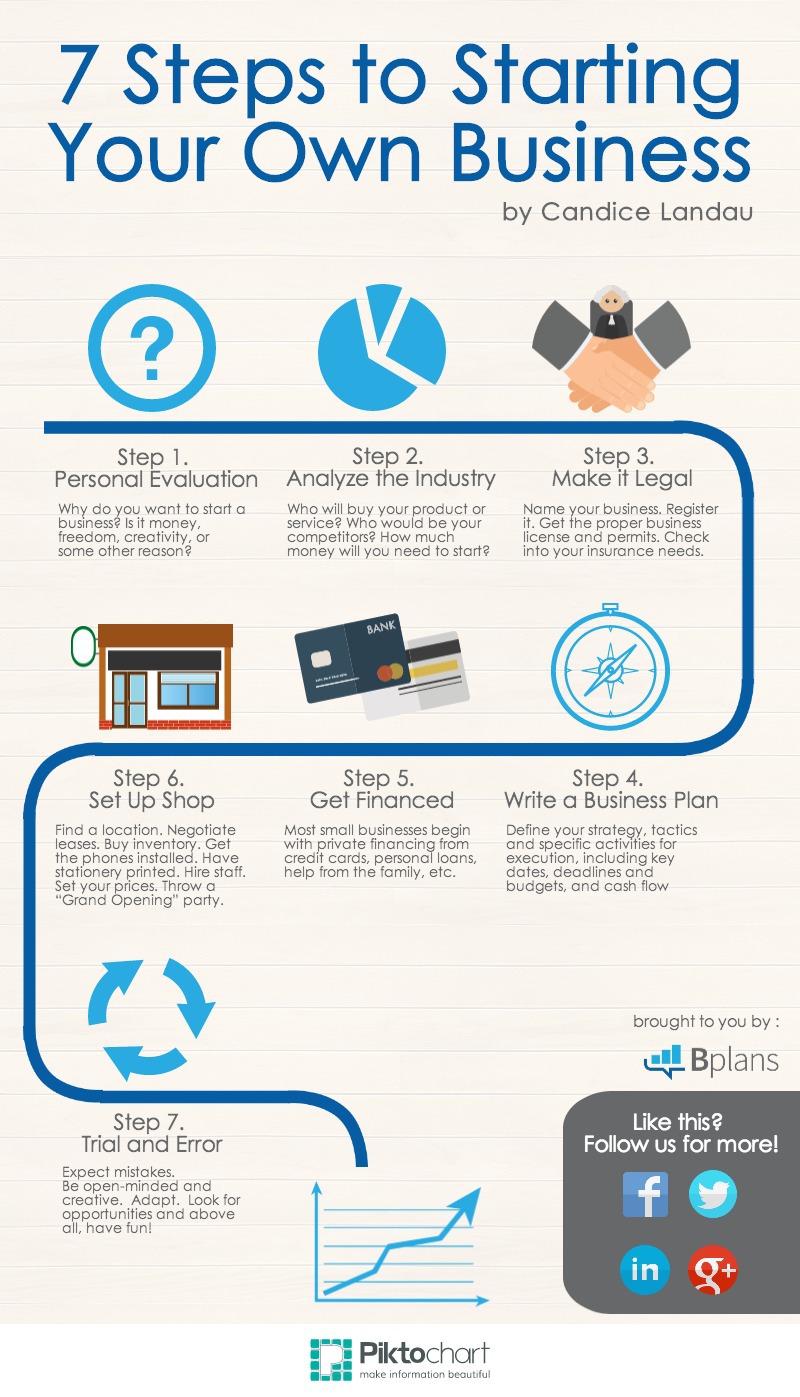
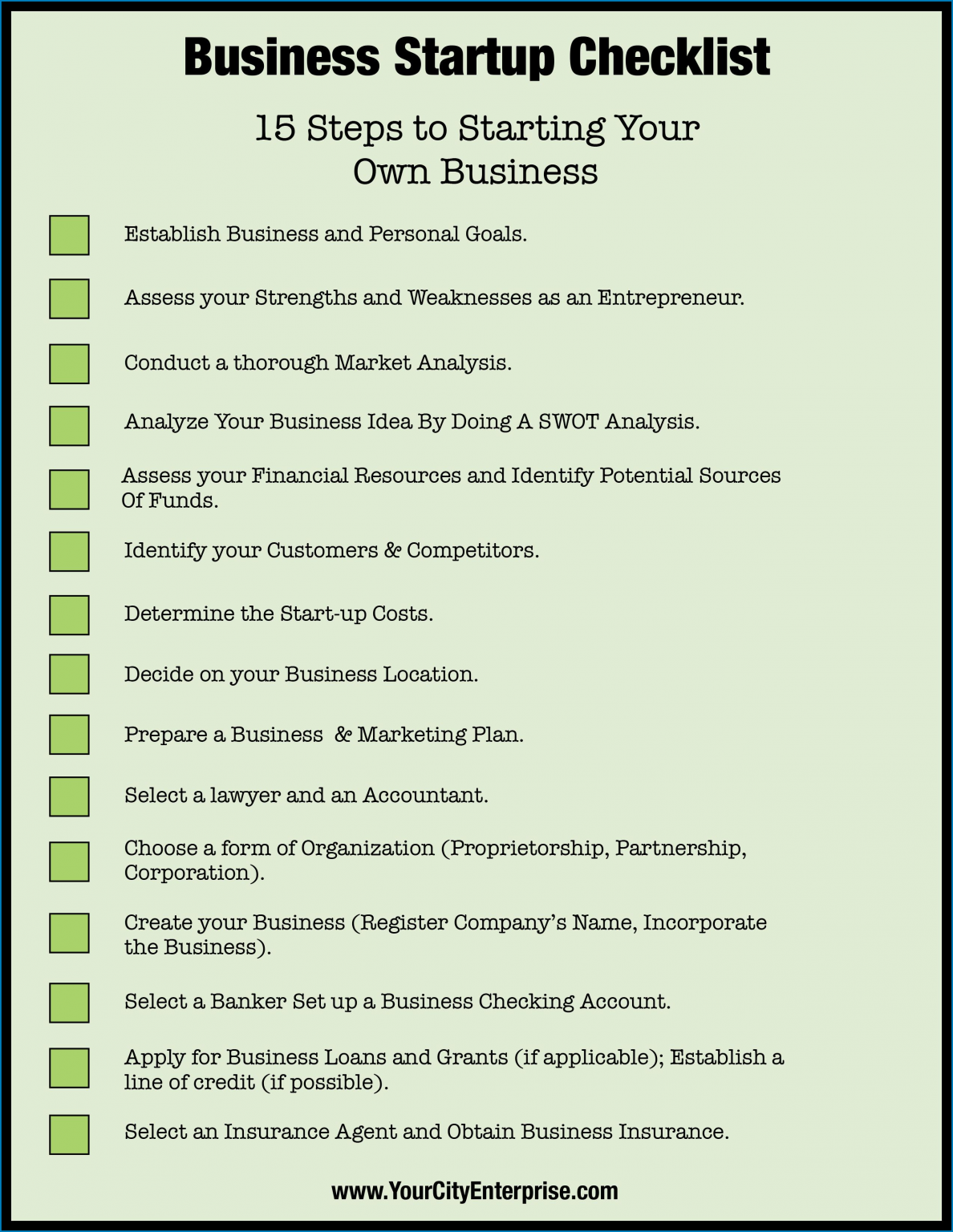
Market research is crucial in understanding your target audience, their needs, and your competition. This information will help you tailor your business plan, identify potential growth areas, and make informed decisions. You can conduct market research online or offline, gathering data from surveys, focus groups, and reviews. Know your competition, analyze their strengths and weaknesses, and be prepared to differentiate your business.
Develop a Business Plan
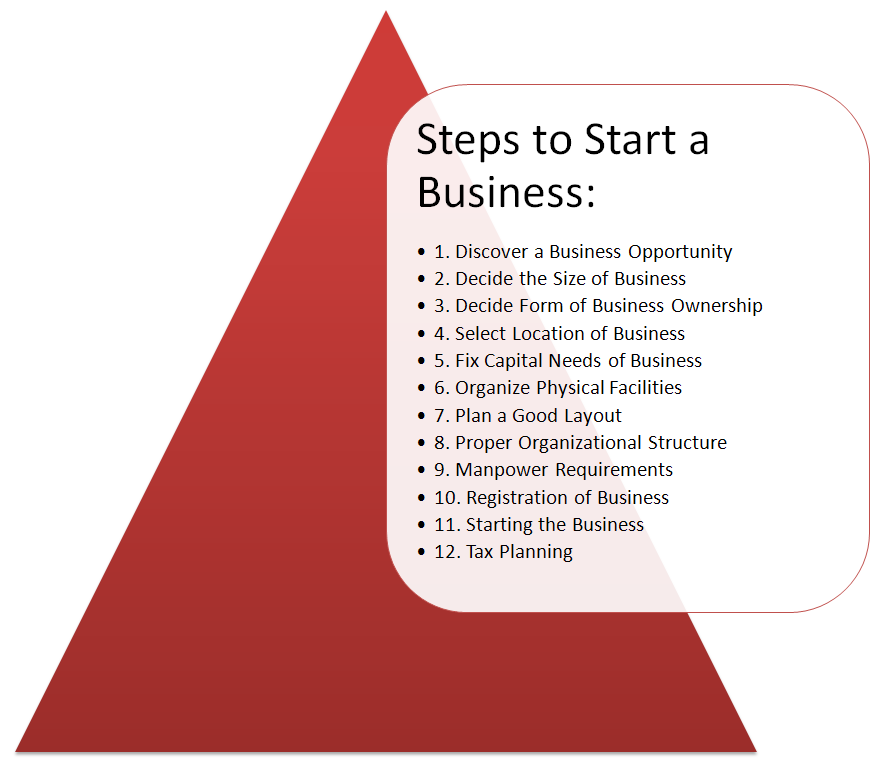
Developing a comprehensive business plan is an integral part of how to start a business. A good business plan should outline your business idea, marketing and sales strategies, financial projections, and operational plan. Your business plan will help you figure out how much money you'll need to start your business. If you don't have that amount on hand, you'll need to either raise or borrow the capital.
Choose a Business Structure
Choosing the right business structure for your business is a critical decision that affects your taxes, liability, and ownership. The most common business structures are sole proprietorships, partnerships, LLCs, and corporations. Consider hiring a lawyer or accountant to guide you in choosing the best structure for your business, as this will depend on your specific needs and goals.
Register Your Business
Once you have your business plan and structure in place, it's time to register your business. Registering your business is essential to secure your legitimacy and operate in compliance with state and local regulations. You can register your business with the Secretary of State or other relevant state government agencies, and obtain any necessary licenses and permits.
Secure Funding
Securing funding is a critical step in starting a business. Your business plan should lay out how you plan to finance your business, whether through loans, grants, investors, or bootstrapping. Research different funding options and consider seeking advice from a financial advisor to determine the best course for your business.
Additional Tips
Learn from the Experts
Training and education is essential in helping you start a business. Whether online or in-person, attending workshops, conferences, and webinars will keep you up-to-date on the latest industry trends, laws, and best practices.
Network and Build Relationships
Networking and building relationships with successful entrepreneurs can help you grow your business. Attend business meetings, join online forums, and connect with mentors to build your network and gain insights.
Stay Compliant
Compliance is vital in maintaining a successful business. Understand your tax obligations, stay on top of permits and licenses, and register any taxes from the start. A good accountant or bookkeeper can ensure you stay compliant.
This comprehensive guide outlines the key steps in how to start a business, from market research and business planning, to securing funding and registering your business. Remember that every business is unique, and adapting your approach as you navigate the process is crucial to success. Whether you're an experienced entrepreneur or just embarking on your business journey, follow these steps, and you'll be well on your way to starting a successful business.




![How to start a business: A startup playbook for entrepreneurs [template]](https://incomewired.com/wp-content/uploads/2023/01/how-to-start-a-phone-flipping-business-.png "How to start a business: A startup playbook for entrepreneurs [template]")