Kindness Started Here: Breaking the Habit of Phubbing
The rising trend of phone-based social interactions has led to a new phenomenon known as 'phubbing', where individuals prioritize their smartphones over face-to-face conversations. This behavior not only harms our relationships but also has a profound impact on our mental health. In this article, we will explore the effects of phubbing, its ineffectiveness, and explore the idea that kindness started here – a call to break the habit of phubbing and cultivate a more empathetic and connected world.
The Rise of Phubbing
Phubbing, or phone snubbing, has become a ubiquitous phenomenon in today's digital age. We see individuals ignoring their loved ones, colleagues, and friends to focus on their smartphones. This behavior not only leads to feelings of rejection and isolation but also has a detrimental impact on our mental health. Research has shown that chronic phubbing can lead to anxiety, depression, and even loneliness.
The Fallacy of Phubbing
The assumption that phubbing is an innocuous habit is a myth. The fact is, phubbing can be a significant deterrent to social connections and relationships. When we prioritize our phones over people, we send a clear message that our relationships are not valuable enough to warrant our attention. This mindset perpetuates a cycle of isolation and disconnection, leading to a decline in our overall well-being.
Breaking the Habit of Phubbing
So, how do we break the habit of phubbing? The first step is to acknowledge the problem and take responsibility for our actions. We must recognize that phubbing is not just a personal issue but also a social one that affects those around us. To cultivate meaningful relationships, we must prioritize face-to-face interactions and create opportunities for deep connections.
The Power of Kindness
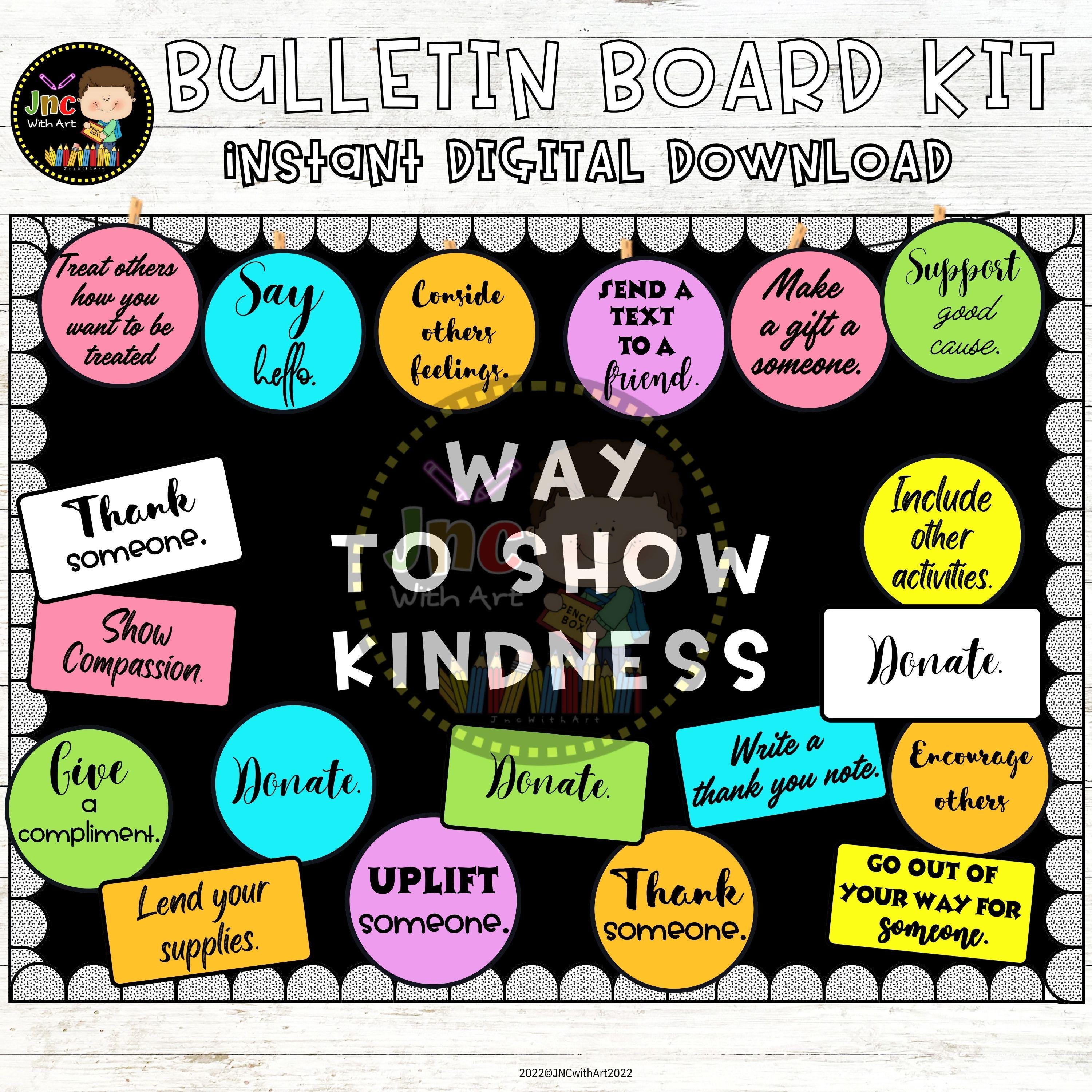
Kindness has the power to break the cycle of phubbing and create a more empathetic and connected world. When we practice kindness, we send a message that our relationships matter and are worth our time and attention. Kindness is a choice that we can make every day, and it has the potential to transform our lives and the lives of those around us.
Strategies for a Phubbing-Free Life
So, how do we cultivate a phubbing-free life? Here are some strategies to help you get started:
- Prioritize face-to-face interactions**: Make an effort to engage in conversations with others, focus on their needs, and show genuine interest in their lives.
- Set boundaries**: Establish clear limits on your phone use, especially during mealtimes, conversations, or family gatherings.
- Practice mindfulness**: Be present in the moment, and avoid distractions that can lead to phubbing.
- Cultivate empathy**: Put yourself in others' shoes, and try to understand their needs and feelings.
- Seek help if needed**: If you struggle with phubbing or have difficulties in relationships, consider seeking help from a mental health professional.
Conclusion
Kindness started here - a message that we can practice every day to break the habit of phubbing and cultivate a more empathetic and connected world. By prioritizing face-to-face interactions, setting boundaries, practicing mindfulness, and cultivating empathy, we can create a world where kindness is the norm. So, let's start today and make kindness a choice that transforms our lives and the lives of those around us.