The Impact of Hyperconnectivity on Productivity
Introduction
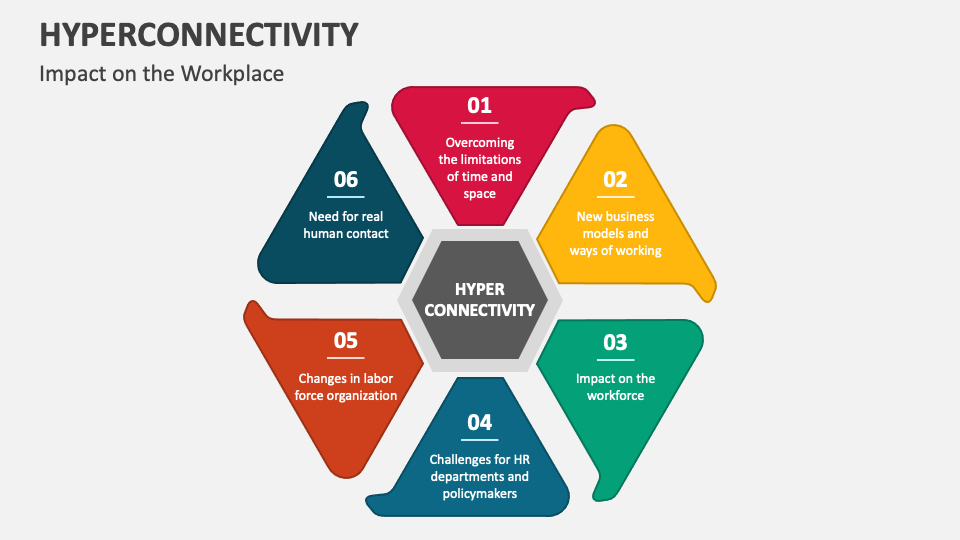
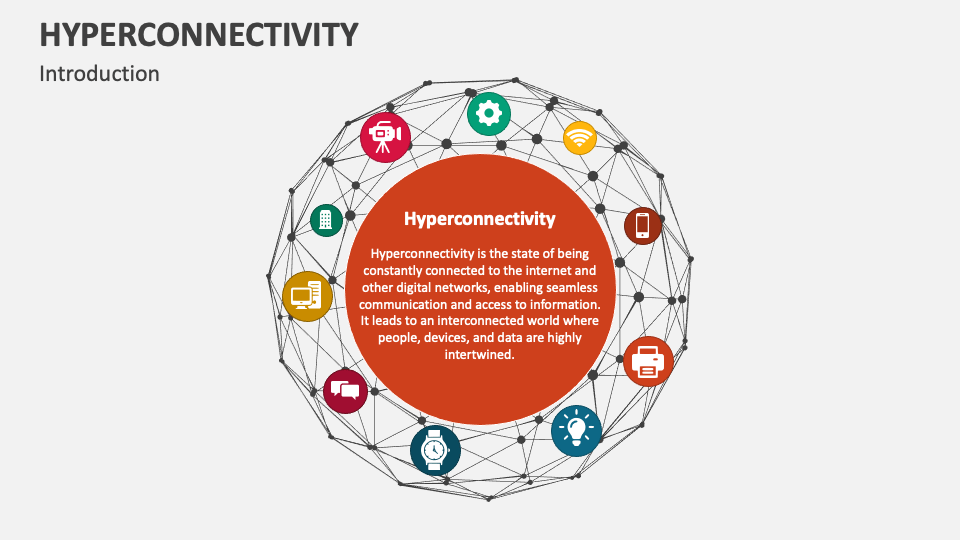
In today's digital age, hyperconnectivity has become an essential aspect of modern work environments. It enhances productivity and communication, allowing teams to collaborate effortlessly across geographical barriers. However, the rapid expansion of digital connectivity post-COVID-19 raises concerns about burnout, digital fatigue, and work-related stress. This article examines the benefits and challenges of digital work, assessing its impact on occupational health and proposing solutions to mitigate its negative effects.Benefits of Hyperconnectivity on Productivity
Hyperconnectivity can significantly boost productivity in both personal and professional contexts. For instance, collaboration has become more fluid, as teams can communicate effortlessly through chat apps and video conferencing tools. This kind of seamless communication enables teams to work together more efficiently, leading to increased productivity.Challenges of Hyperconnectivity on Productivity
While digital tools offer flexibility and collaboration opportunities, they also introduce unique challenges. Constant interruptions, technical glitches, and message overload can lead to stress, exhaustion, and decreased work-life balance. Studies have shown that employees are experiencing mental and physical techno-strain due to being "hyperconnected" to digital technology, making it difficult for people to switch off from work.The Dark Side of Digital Work
Research has uncovered how hyperconnectivity strains employee well-being, highlighting the need for a comprehensive approach to mitigate its negative effects. Incorporating digital well-being education in educational curricula can empower students to navigate the digital landscape safely, while also recognizing the profound impact of hyperconnectivity on mental health.Benefits and Challenges of Hyperconnectivity in Business