Dopamine Loops in Critical Thinking: Understanding the Power of Reward and Motivation
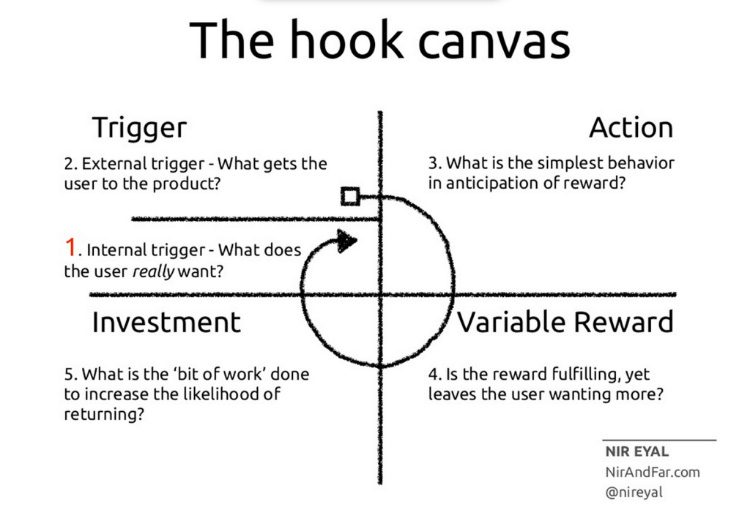
As we navigate the complex world of ideas and opinions, it's essential to recognize the role of dopamine loops in critical thinking. Dopamine, often referred to as the "feel-good neurotransmitter," is a crucial component in motivating behavior and reinforcing learning. However, when it comes to critical thinking, the consequences of relying on dopamine loops can be detrimental to our ability to objectively assess information and make sound decisions.The Dopamine Loop: A Double-Edged Sword
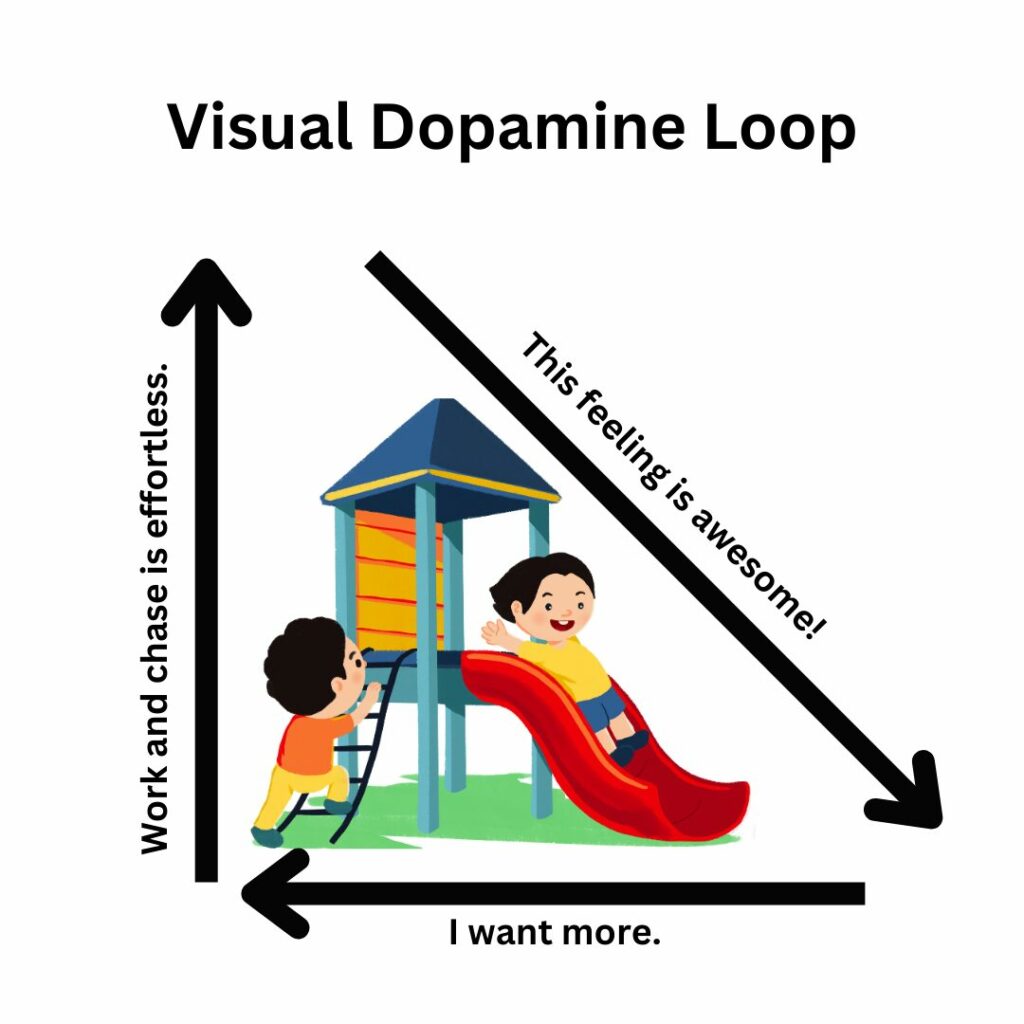
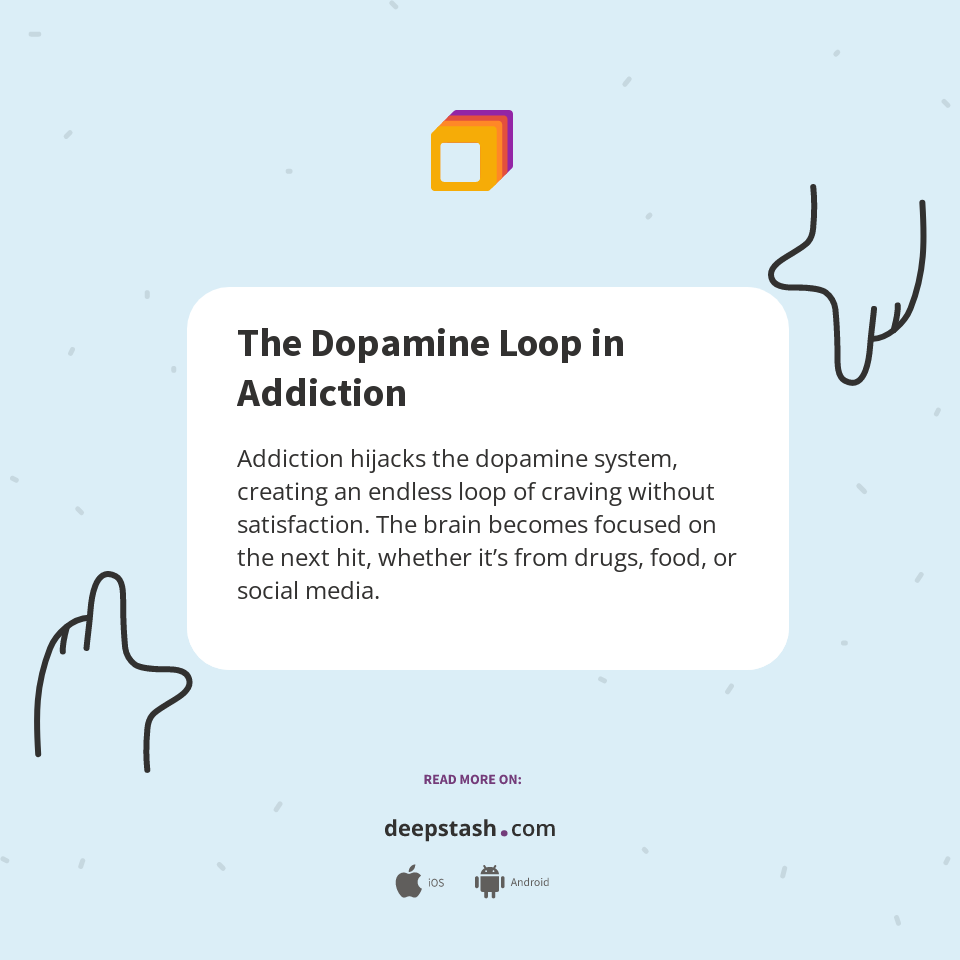
Dopamine doesn't create pleasure so much as it creates the motivation to seek pleasure. Consequently, dopamine is a double-edged sword – the engine of innovation and progress, yet also the fuel for addiction and mindless scrolling. As we delve deeper into the concept of dopamine loops, it's essential to understand the delicate balance between reward and motivation, and how this balance affects our critical thinking abilities.How Dopamine Loops Affect Critical Thinking
Dopamine loops can significantly impact critical thinking by:- Creating a feedback loop of seeking and reward, rather than resolution and understanding.
- Leading to a lack of attention span and focus, as our brains crave the next hit of dopamine.
- Undermining our ability to critically evaluate information, as our minds become trapped in the loop of instant gratification.
Recognizing the Signs of a Dopamine Loop

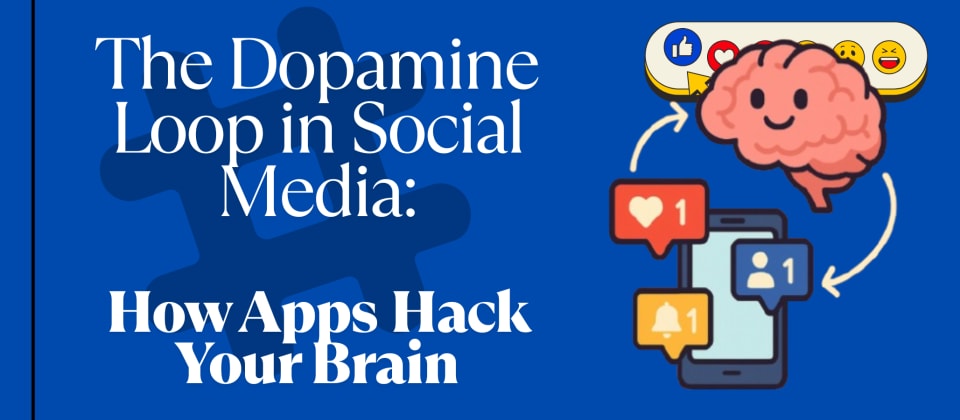
- You find yourself excessive scrolling through social media or the internet.
- You're unable to focus on a task or topic for an extended period.
- You're constantly seeking the next "like," share, or comment to validate your self-worth.
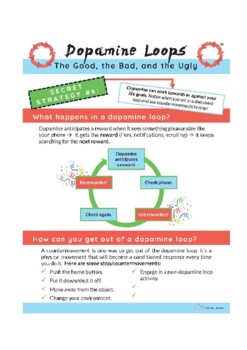
Breaking the Dopamine Loop
To counteract the effects of dopamine loops, try the following strategies:- Set specific goals and deadlines for tasks, and prioritize them according to their importance.
- Eliminate distractions by creating a conducive work environment or using tools to block unnecessary websites and notifications.
- Practice mindfulness and meditation to increase your self-awareness and focus on the present moment.
- Develop a critical thinking framework by identifying biases, validating sources, and considering multiple perspectives.