Understanding the Risks of an Irregular Sleep Schedule
Are you one of the millions of people who struggle with an irregular sleep schedule? If so, you're not alone. Irregular sleep schedules can lead to a host of problems, from fatigue and mood swings to serious health issues like heart disease and diabetes. In this article, we'll explore the risks of an irregular sleep schedule and provide tips for establishing a healthier sleep routine.
What is an Irregular Sleep Schedule?
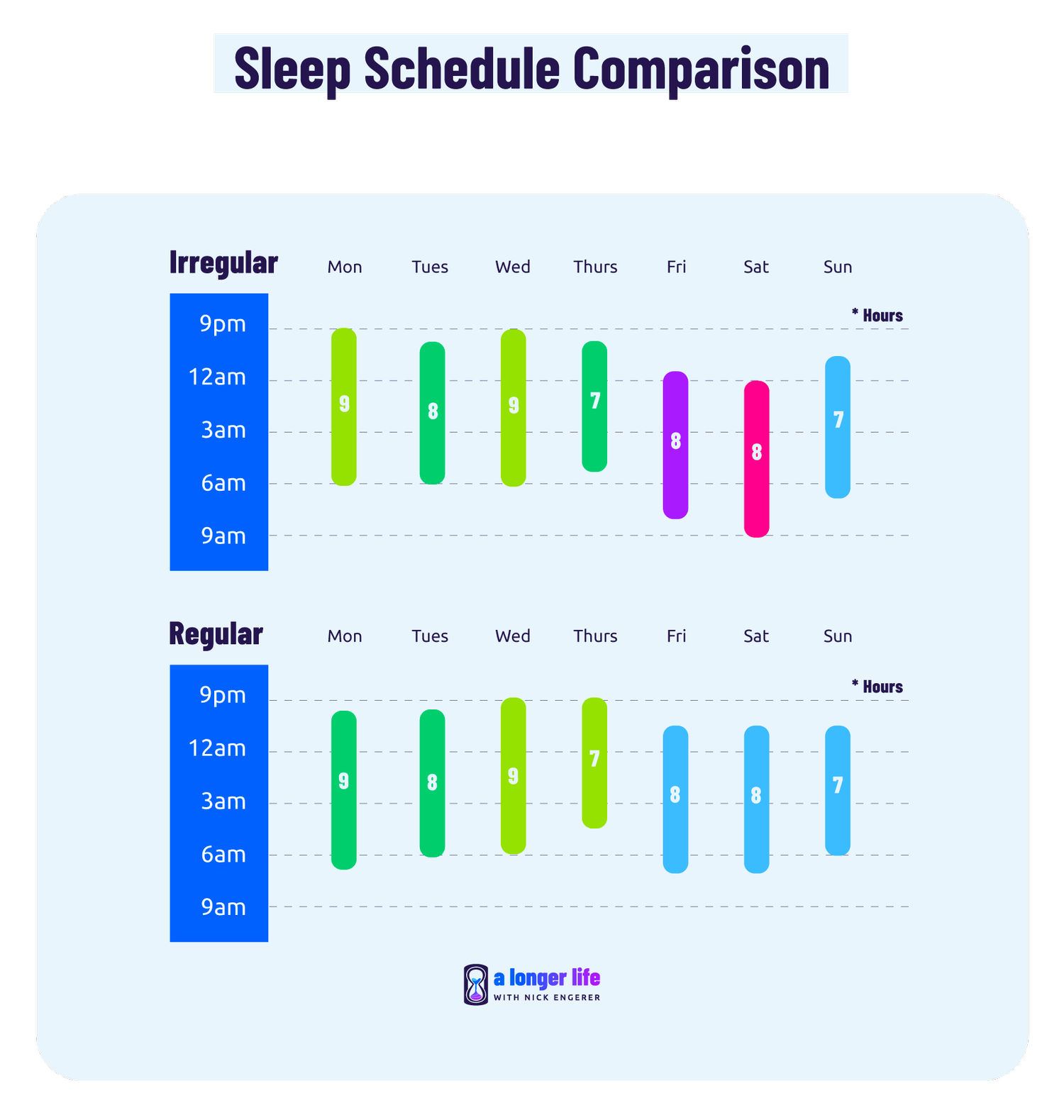
An irregular sleep schedule is when you don't stick to a consistent sleep-wake cycle. This can mean going to bed and waking up at different times each day, or staying up late one night and sleeping in the next. Irregular sleep schedules can be caused by a variety of factors, including work schedule changes, travel, illness, stress, and sleep disorders.
The Risks of an Irregular Sleep Schedule
- Increased risk of heart disease: A study by Flinders University found that almost one-third of adults fail to achieve the recommended 7-9 hours of sleep per night, which can increase the risk of heart disease.
- Impaired glucose regulation: Irregular sleep schedules can lead to reduced sleep quality and continuity, which can cause impaired glucose regulation and increase the risk of developing insulin resistance and type 2 diabetes.
- Metabolic disorders: A study by the National Institutes of Health (NIH) found that irregular sleep patterns and late bedtimes are linked to worse grades and more school-related behavioral problems among teens, and that interventions to promote regular sleep schedules may boost adolescents' academic performance.
- Mood disorders: Irregular sleep schedules can lead to mood swings, irritability, and depression.
- Accidents and injuries: Drowsy driving and workplace accidents are common consequences of irregular sleep schedules.
Causes of Irregular Sleep Schedules
- Irregular work hours
- Travel
- Illness
- Stress
- Sleep disorders
Establishing a Healthier Sleep Routine
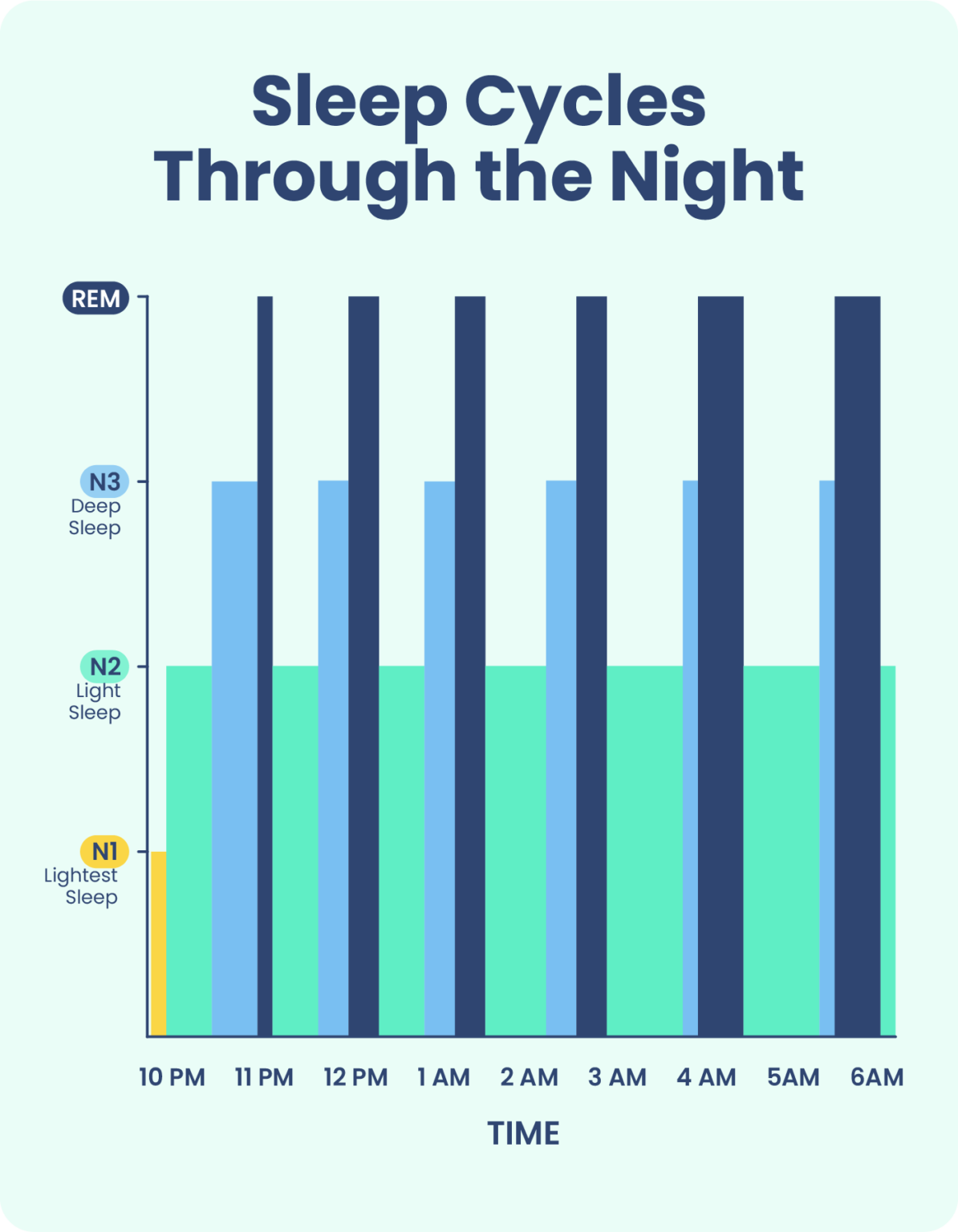
Establishing a consistent sleep schedule can help you get better quality sleep and improve your overall health. Here are some tips for establishing a healthier sleep routine:
- Stick to a consistent sleep-wake cycle: Go to bed and wake up at the same time each day, even on weekends.
- Gradually adjust your sleep schedule: If you're trying to switch to an earlier or later sleep schedule, do it gradually to give your body time to adjust.
- Get regular exercise: Regular exercise can help improve sleep quality, but avoid vigorous exercise within a few hours of bedtime.
- Avoid caffeine and electronics before bedtime: The blue light emitted by electronics and the caffeine in coffee can interfere with your sleep.
- Create a sleep-conducive environment: Make your bedroom a sleep sanctuary by keeping it cool, dark, and quiet.
Seeking Help for Irregular Sleep Schedules
If you're struggling with an irregular sleep schedule and making lifestyle changes hasn't helped, it may be necessary to seek help from a sleep specialist. Sleep specialists can help you identify underlying sleep disorders or issues and provide you with personalized guidance on how to establish a healthier sleep routine.
Conclusion
An irregular sleep schedule can have serious consequences for your health and well-being. By understanding the risks of an irregular sleep schedule and establishing a consistent sleep routine, you can improve the quality of your sleep and reduce your risk of developing serious health issues. Remember to stick to a consistent sleep-wake cycle, avoid caffeine and electronics before bedtime, and create a sleep-conducive environment to help you get the sleep you need.