Is Tylenol Toxic to Dogs?
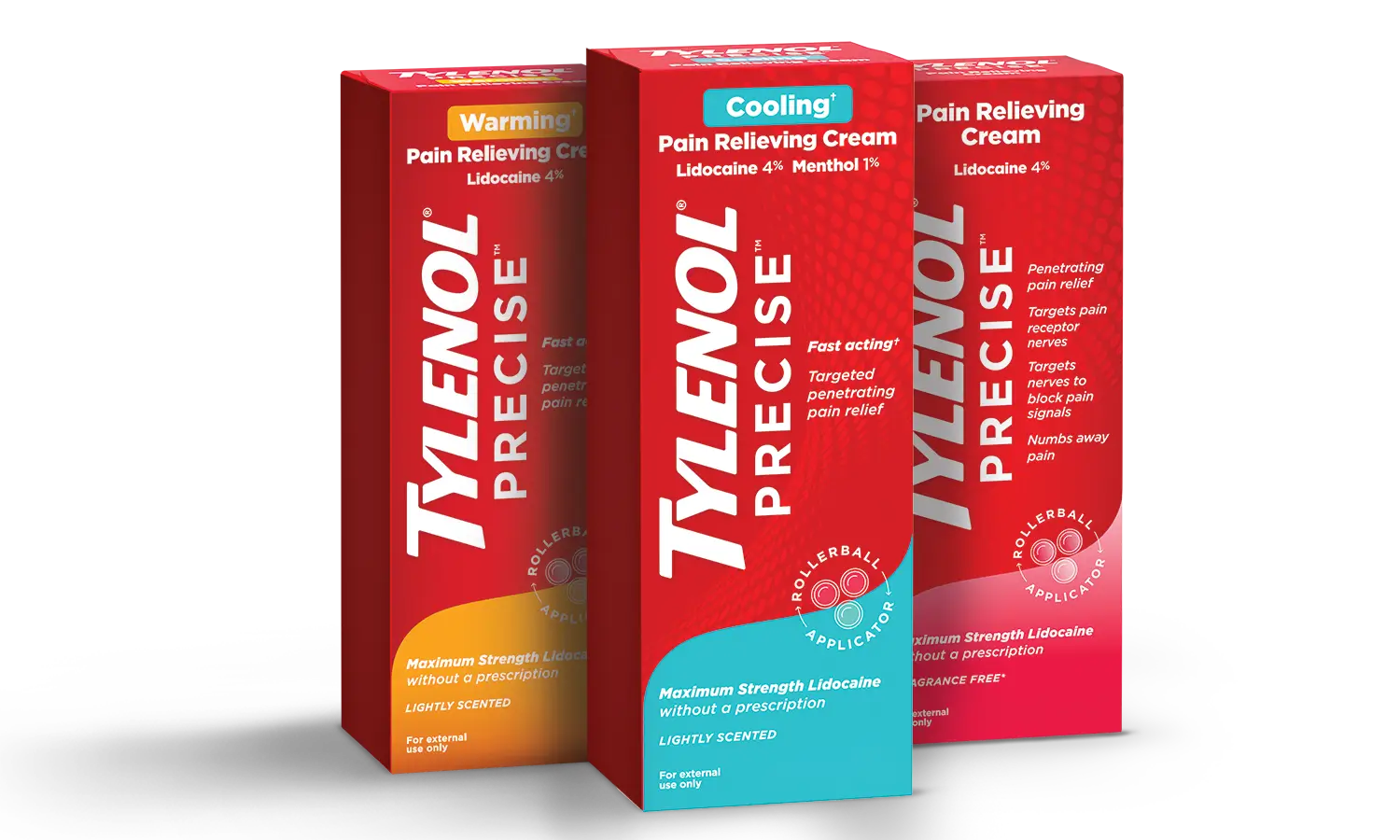
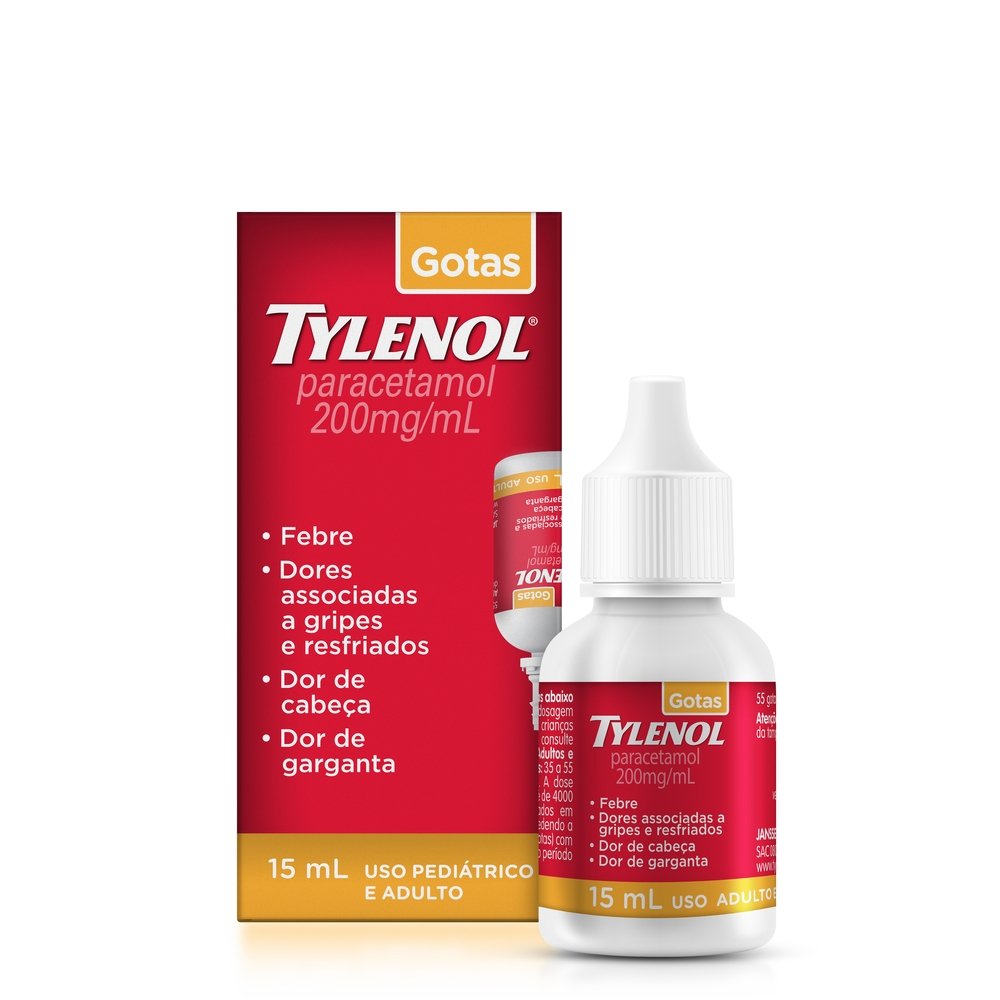
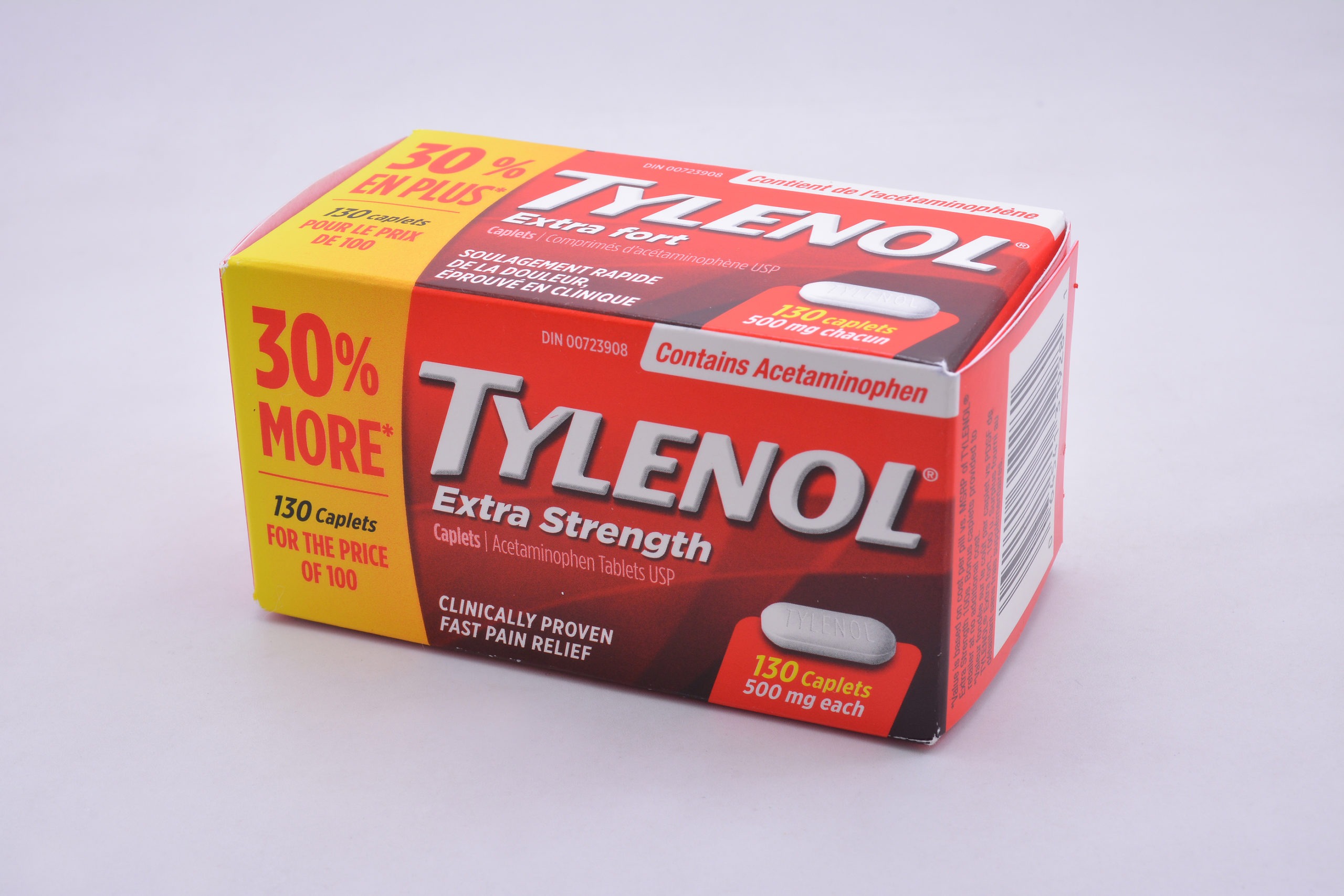
As a pet owner, you want to keep your furry friend safe from harm. One common household danger that can put your dog's life at risk is Tylenol, also known as acetaminophen. While Tylenol is a safe and effective pain reliever for humans, it can be extremely toxic to dogs, even in small amounts.
Why is Acetaminophen (Tylenol) Poisonous to Dogs?
Dogs process drugs differently than humans do, and their liver pathways have limited capacity to break down toxins. As a result, toxic byproducts can build up more easily in their system, leading to liver failure, anemia, and even death.
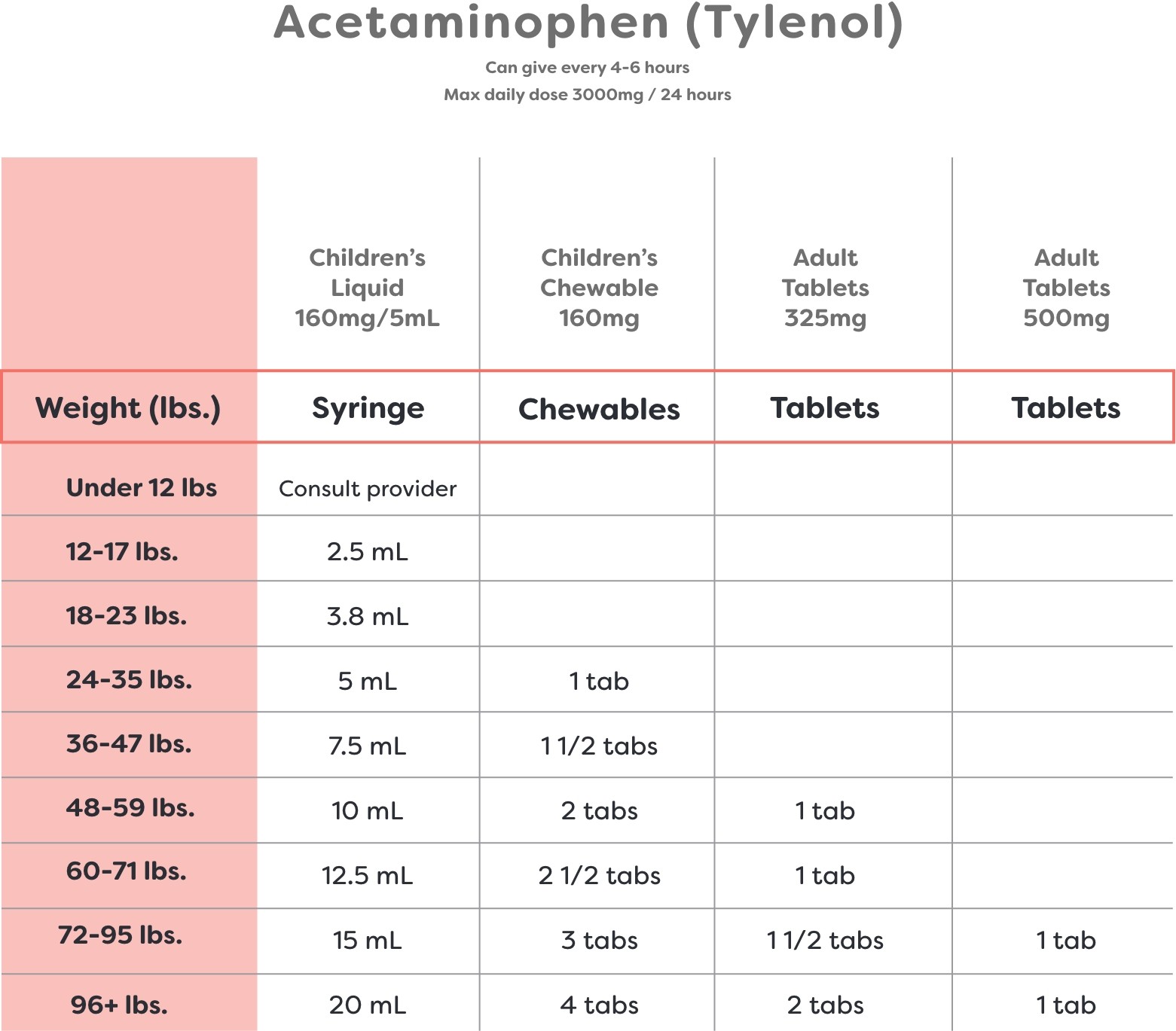
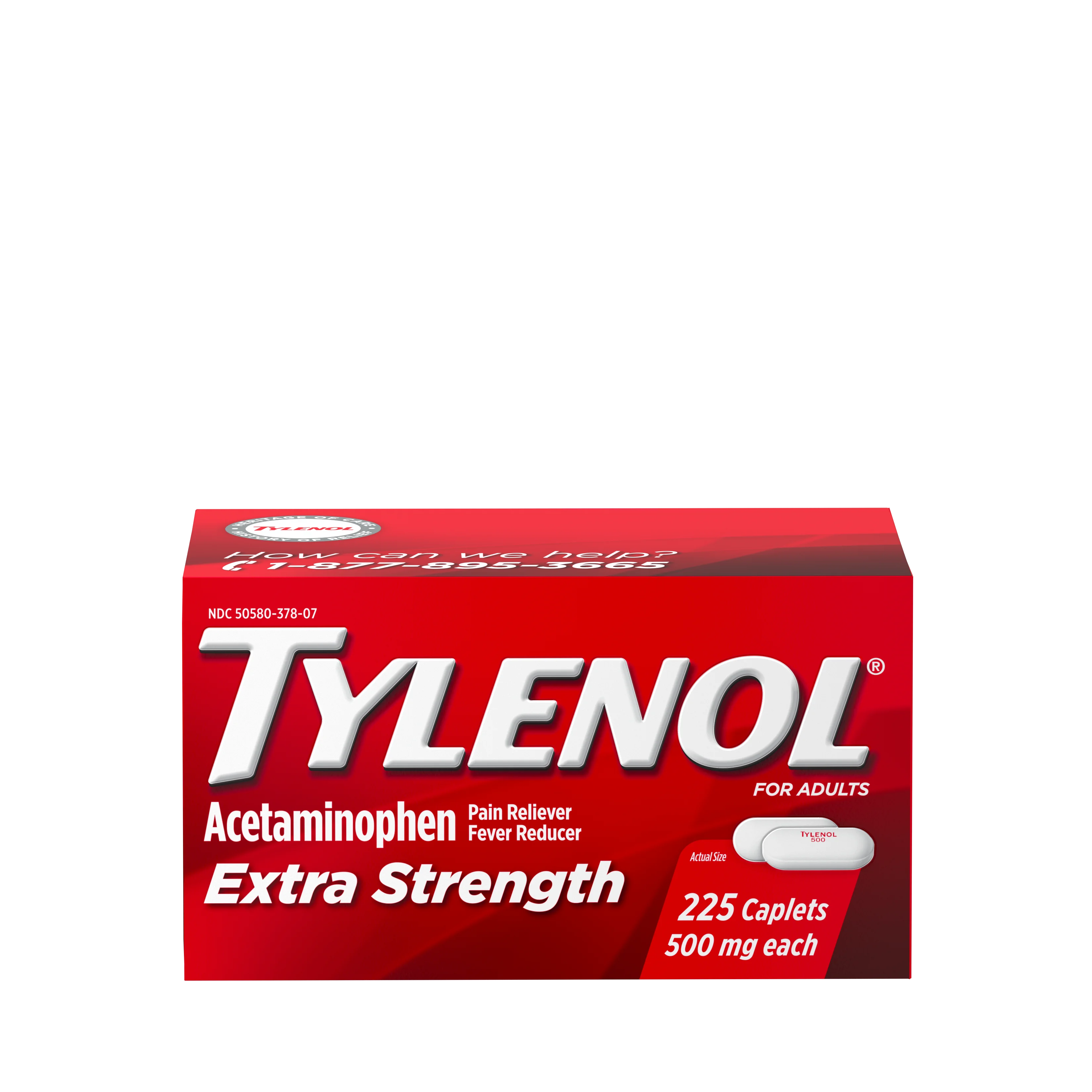
Acetaminophen is occasionally recommended by veterinarians for certain indications, but only in low doses and under their guidance. The toxic dose of acetaminophen for dogs is seen at 100 mg/kg or more, which is equivalent to a single 500 mg tablet.
Signs of Tylenol Toxicity in Dogs
If your dog eats too much Tylenol, you may notice the following symptoms:
- Anorexia (loss of appetite)
- Abdominal pain
- Vomiting
- Lethargy (mental depression)
- Trembling
- Facial and paw edema (swelling)
- Tachycardia (rapid heart rate)
- Tachypnea (rapid breathing)
- Acute keratoconjunctivitis sicca (dry eye)
Why You Should Never Give Your Dog Tylenol Without a Vet's Guidance
While some pet owners may be tempted to give their dogs Tylenol for pain relief, it's essential to understand that this medication can cause severe harm. Even small amounts can be toxic to dogs, and the risks of overdose and death are very real.
Additionally, giving your dog Tylenol can mask the underlying cause of their pain, making it harder to diagnose and treat the underlying issue.
What to Do if Your Dog Eats Tylenol
If you suspect that your dog has ingested Tylenol, act quickly. Here's what to do:
- Get to your nearest animal hospital or veterinary clinic
- Bring any remaining medication and packaging with you
- Follow the veterinarian's instructions for treatment
Prevention is the Best Medicine
The best way to keep your dog safe from Tylenol toxicity is to keep it out of their reach and avoid giving it to them without a vet's guidance. If you have any doubts or concerns, consult with your veterinarian for advice on safe pain relief options for your furry friend.
Conclusion
While Tylenol may seem like a convenient solution for pain relief, it's essential to remember that it's highly toxic to dogs. Keep your furry friend safe by understanding the risks and taking proactive steps to prevent accidents. If your dog ingests Tylenol, act quickly and seek veterinary help to minimize the risk of harm.
Remember, it's always better to err on the side of caution when it comes to your dog's health. If in doubt, consult with your veterinarian for expert advice.

![Dog Tylenol Toxicity Calculator [2026]](https://www.dogster.com/wp-content/uploads/2024/08/Dogster_Are-Tomato-Plants-Toxic-to-Dogs-800x571.jpg "Dog Tylenol Toxicity Calculator [2026]")