Learning Python with Django Framework: A Comprehensive Guide
Django is a high-level Python web framework that encourages rapid development and clean, pragmatic design. Since its public release in 2005, Django has established itself as one of the most popular web frameworks for building robust, scalable, and secure web applications. Whether you're a beginner looking to learn web development or an experienced developer looking to upskill, Learning Python with Django Framework is a great starting point.
Why Choose Django?
Django provides a powerful form library that handles rendering forms as HTML, validating user-submitted data, and converting that data to native Python types. Django also provides a way to generate forms from your existing models and use those forms to create and update data. This reduces the complexity of web development and allows developers to focus on building their applications.
Benefits of Learning Python with Django Framework
-
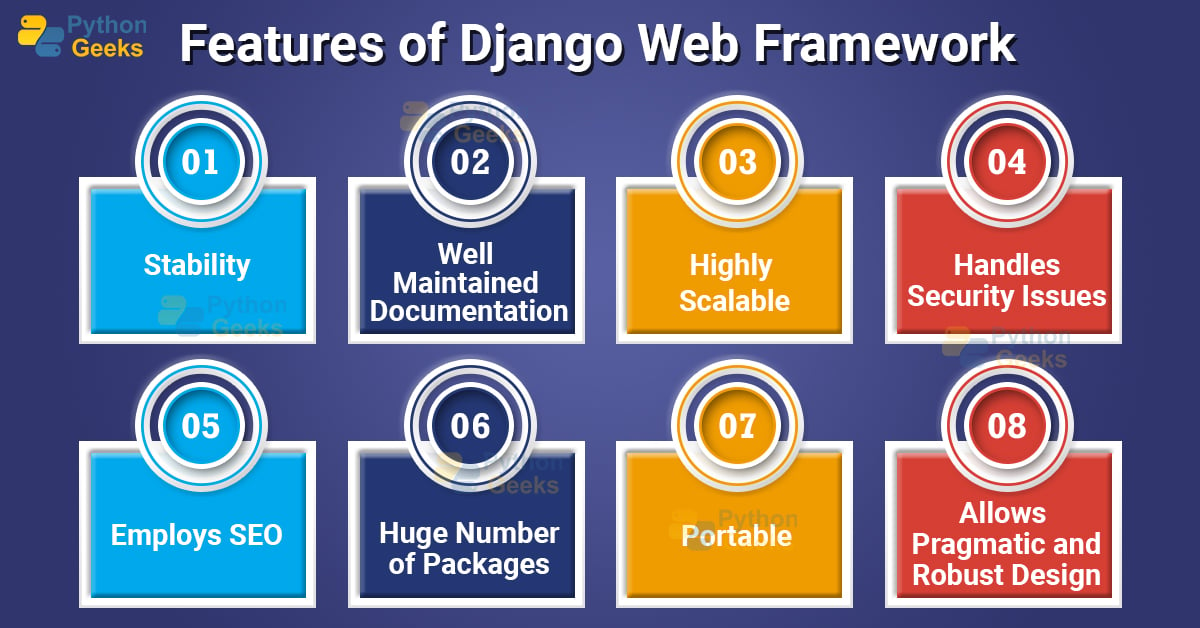
Fast Development: Django allows rapid development and clean, pragmatic design. Its batteries-included approach provides a comprehensive toolset for web development.
-
Scalability: Django's architecture and design principles make it an ideal choice for building scalable web applications. Its ability to handle large amounts of traffic and data makes it a popular choice for web development.
-
Security: Django provides built-in features for security, including user authentication, password hashing, and protection against common web attacks. This ensures that your web application remains secure and maintained.
-
Community Support: Django has a large and active community of developers who contribute to its ecosystem. This means that you can find extensive documentation, tutorials, and resources to help you learn Django.
Getting Started with Django
To get started with Django, you'll need to have Python installed on your computer. Django is a Python framework, so you can use it to build web applications using Python. Once you've installed Python, you can install Django using pip, the Python package manager.
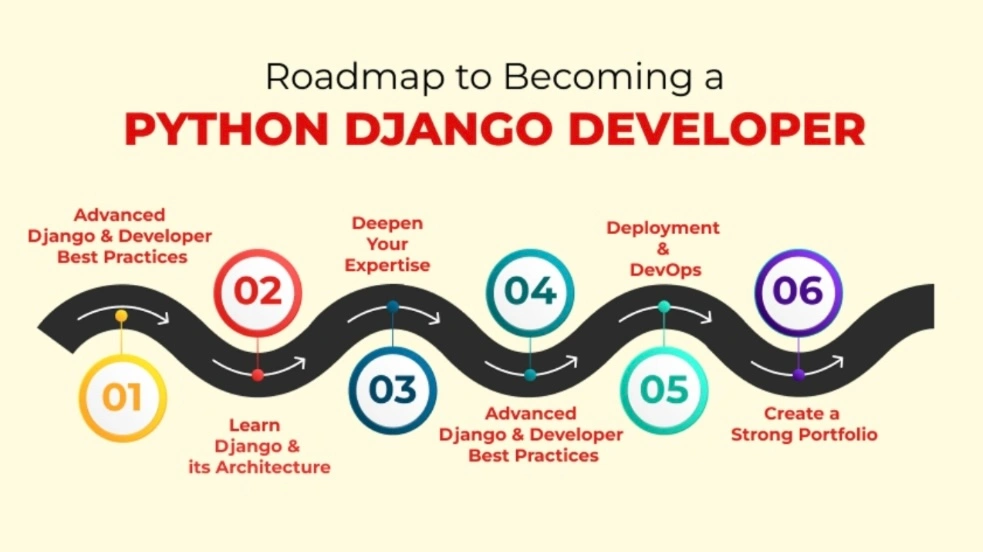
Learning Django: A step-by-step Guide
Step 1: Install Python and Django
Download and install the latest version of Python from the official Python website. Once you've installed Python, install Django using pip, the Python package manager.
Step 2: Set up a Django Project
Use the django-admin startproject command to create a new Django project. This will create a basic project structure and set up the necessary dependencies.
Step 3: Understand Django's Architecture
Learn about Django's Model-View-Template (MVT) architecture, which is the foundation of the framework. This will help you understand how Django works and how to build web applications using it.
Step 4: Learn Django's Core Features
Learn about Django's core features, including the form library, user authentication, and database integration. This will help you understand how to use Django to build web applications.
Step 5: Build a Django Web Application
Use the skills you've learned to build a Django web application. This will help you apply your knowledge and gain practical experience with Django.
Conclusion
Learning Python with Django Framework is a great way to build web applications quickly and efficiently. Django's batteries-included approach provides a comprehensive toolset for web development, and its scalability and security make it an ideal choice for building web applications. With this guide, you'll be able to get started with Django and build web applications using Python.
Resources
If you're new to Django or Python, here are some resources to help you get started:
-
Django official documentation: https://docs.djangoproject.com/en/3.2/
-
Python official documentation: https://docs.python.org/3/
-
Udemy course on Django: https://www.udemy.com/course/django-python/
-
FreeCodeCamp's Django tutorial: https://www.freecodecamp.org/news/learn-django-by-building-a-bookstore-app/
Final Thoughts
Learning Python with Django Framework is a great way to build web applications quickly and efficiently. With its batteries-included approach, scalability, and security, Django is an ideal choice for building web applications. By following this guide, you'll be able to get started with Django and build web applications using Python.