Melatonin Overdose Remedy: How to Manage Symptoms and Prevent Potential Complications
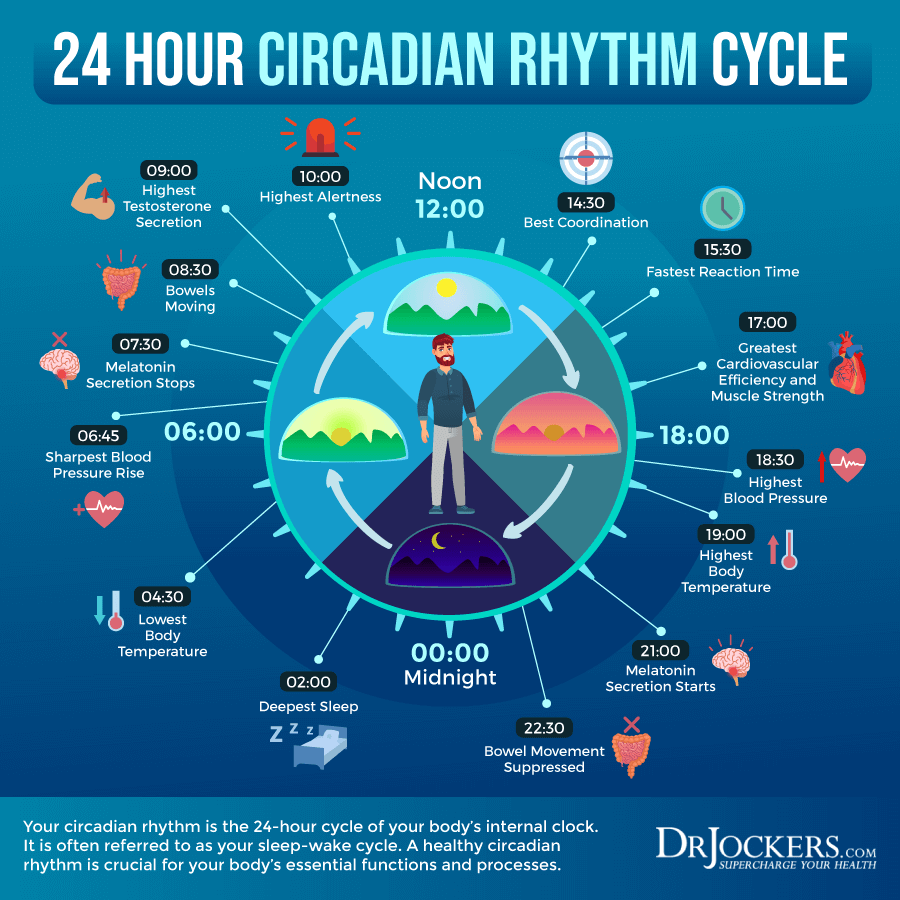
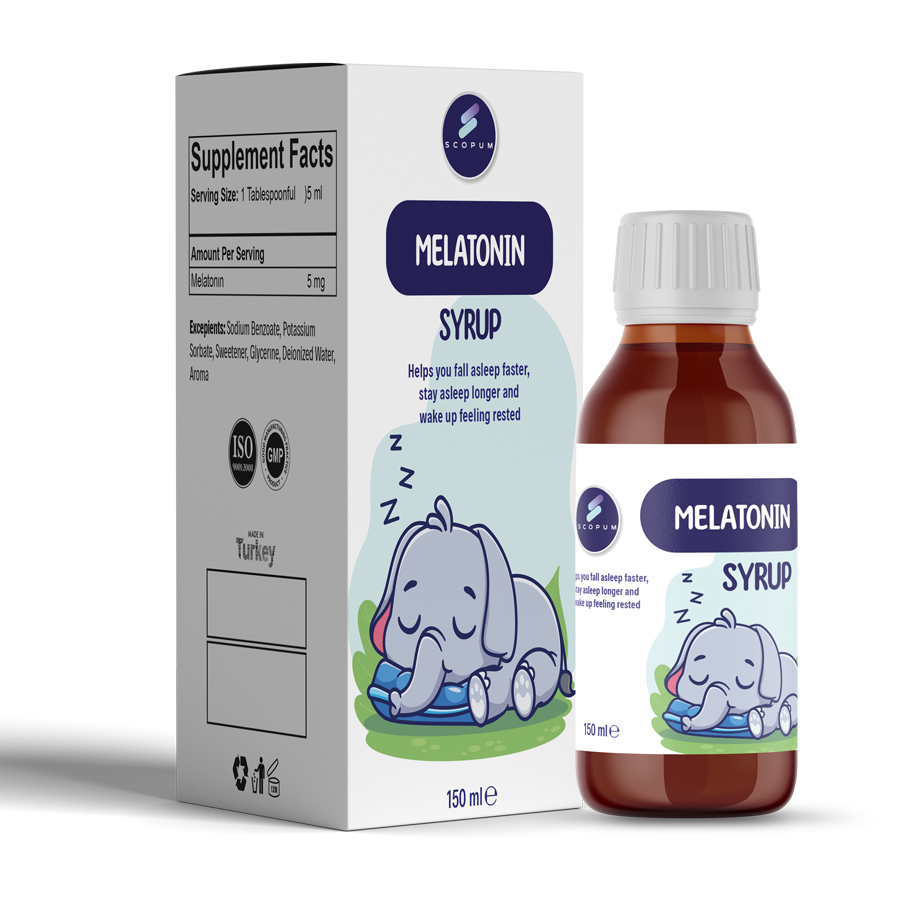
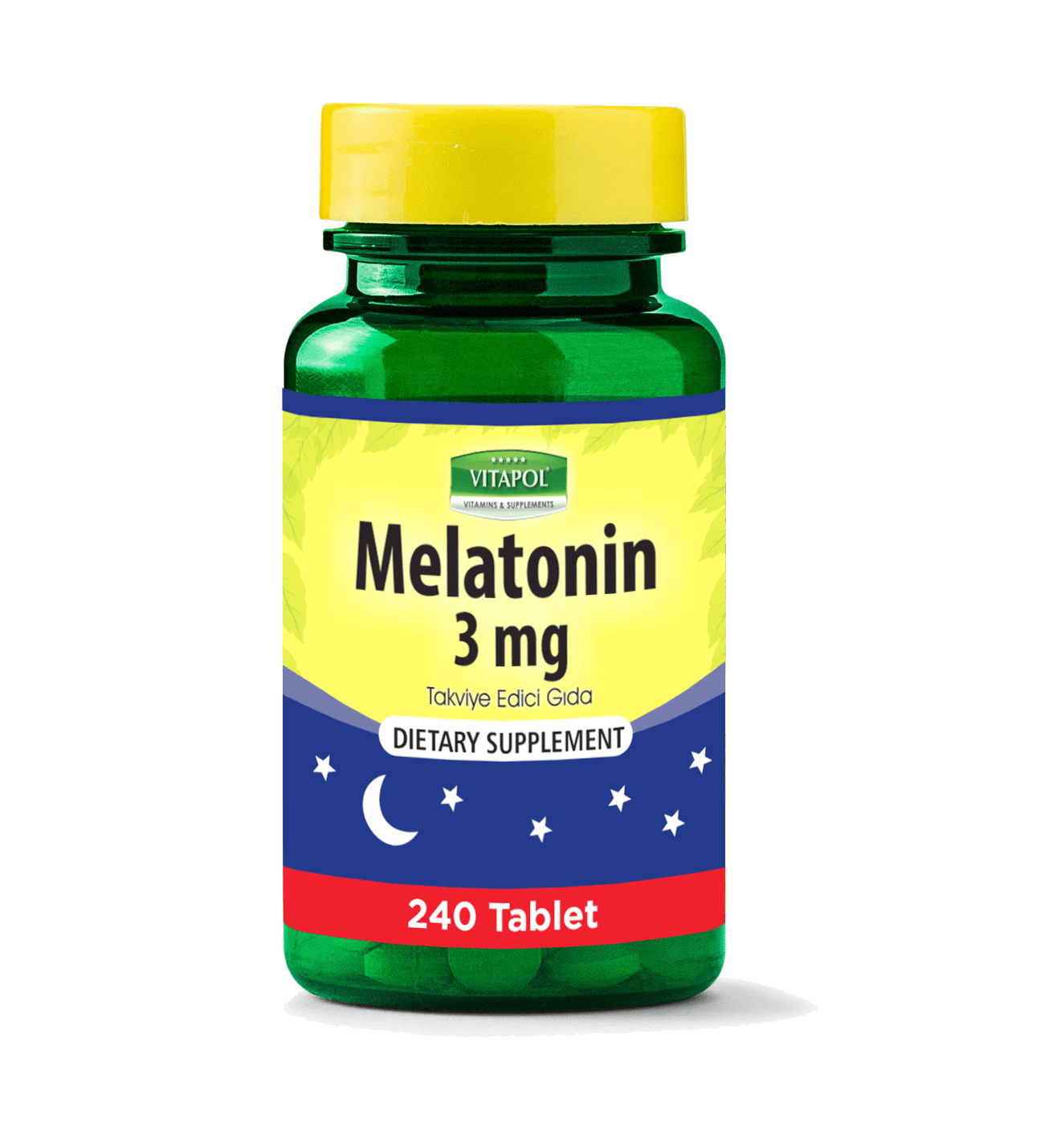
Melatonin is a hormone that plays a crucial role in regulating our sleep-wake cycles. It is available as an over-the-counter sleep aid and has gained popularity in recent years due to its potential benefits in treating sleep disorders. However, like any supplement, melatonin can be unsafe if taken in excess. In this article, we will discuss the potential risks of melatonin overdose, the common symptoms, and the remedies for managing them.
What is Melatonin Overdose?
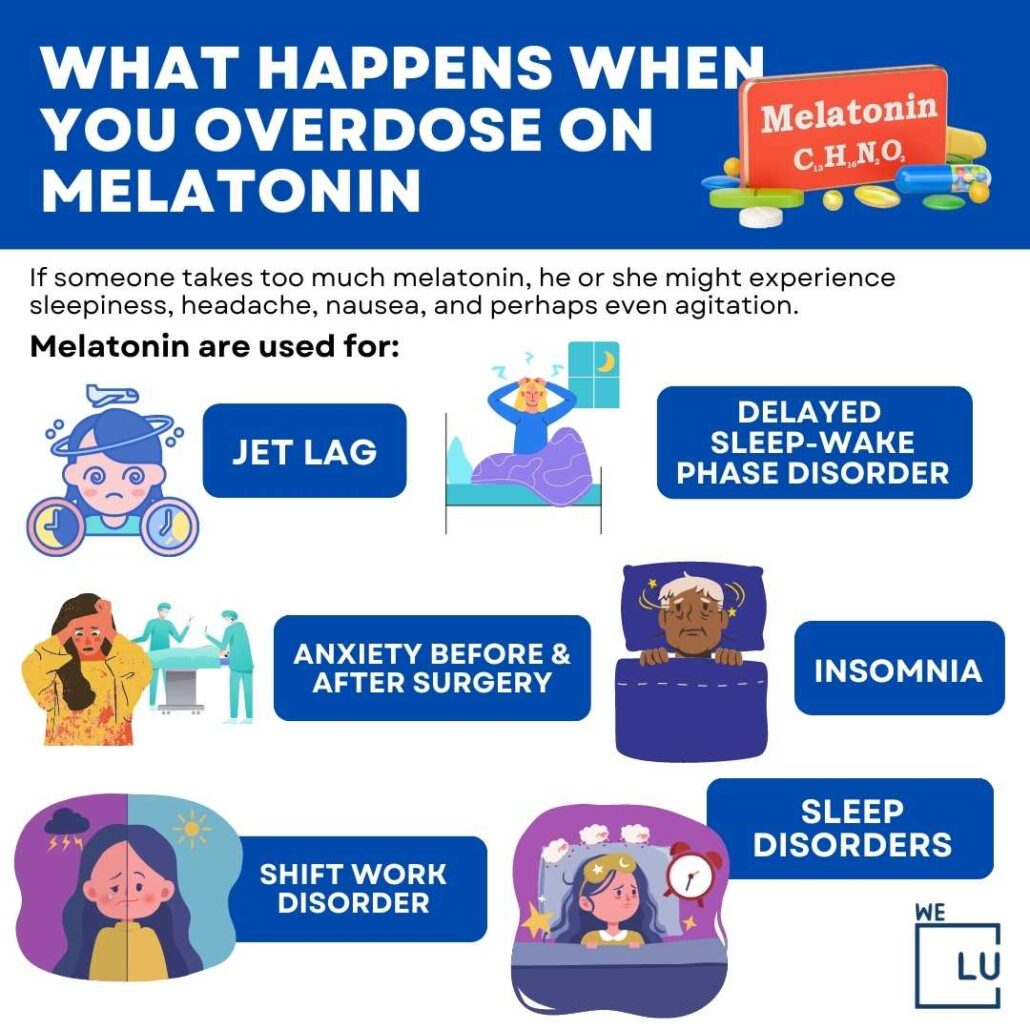
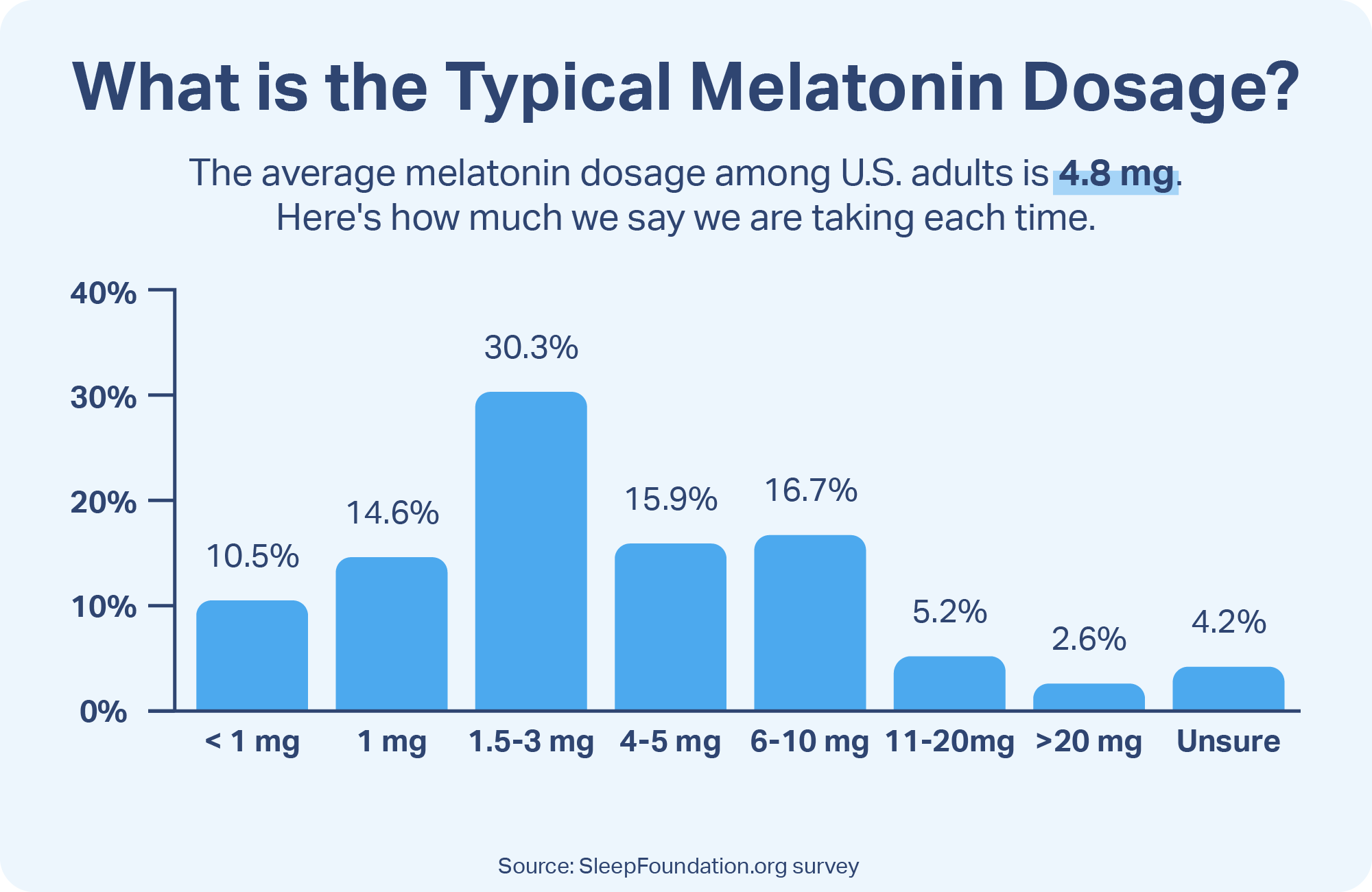
A melatonin overdose occurs when an individual takes more than the recommended dose of the supplement, which can lead to a range of symptoms, from mild to severe. According to the Mount Sinai Health System, the most common side effects of melatonin overdose include drowsiness, dizziness, fatigue, headache, confusion, nightmares, hypotension, tachycardia, and hypothermia.
Causes of Melatonin Overdose
There are several reasons why individuals may experience a melatonin overdose:
Taking too much melatonin, either intentionally or unintentionally
Combining melatonin with other sedatives or sleep aids
Having an underlying medical condition that affects the body's ability to metabolize melatonin
Using expired or contaminated melatonin supplements
Symptoms of Melatonin Overdose
The symptoms of melatonin overdose can vary in severity, depending on the individual and the amount of melatonin taken. The most common symptoms include:
Drowsiness and dizziness
Headache and fatigue
Confusion and disorientation
Nightmares and vivid dreams
Abnormal heart rate and blood pressure
Shivering and hypothermia

Treatment for Melatonin Overdose
Fortunately, melatonin has a low toxicity potential, and most individuals who experience a melatonin overdose can recover completely within 24-32 hours with supportive care and monitoring. The treatment for melatonin overdose typically involves:
Stopping the use of melatonin supplements
Monitoring vital signs and addressing any concerning symptoms
Supportive care, such as maintaining a stable body temperature and ensuring proper hydration
Severely affected individuals may require hospitalization and respiratory support
Prevention and Safety Tips
Preventing a melatonin overdose is much easier than managing its symptoms. Here are some safety tips to consider:
Always follow the recommended dose on the label and consult a healthcare professional before taking melatonin
Start with a low dose and gradually increase it as needed
Be aware of any potential interactions with other medications or substances
Choose high-quality, pure melatonin supplements from reputable manufacturers
Monitor your body's response to melatonin and adjust the dosage accordingly
Conclusion
Melatonin overdose is a rare but potentially serious condition that can be prevented with proper knowledge and precautions. By understanding the causes, symptoms, and treatments, individuals can take steps to manage melatonin overdose and maintain a safe and effective sleep aid regimen.