Phantom Phone Vibration Syndrome: The Fading Signal Between Reality and Perception
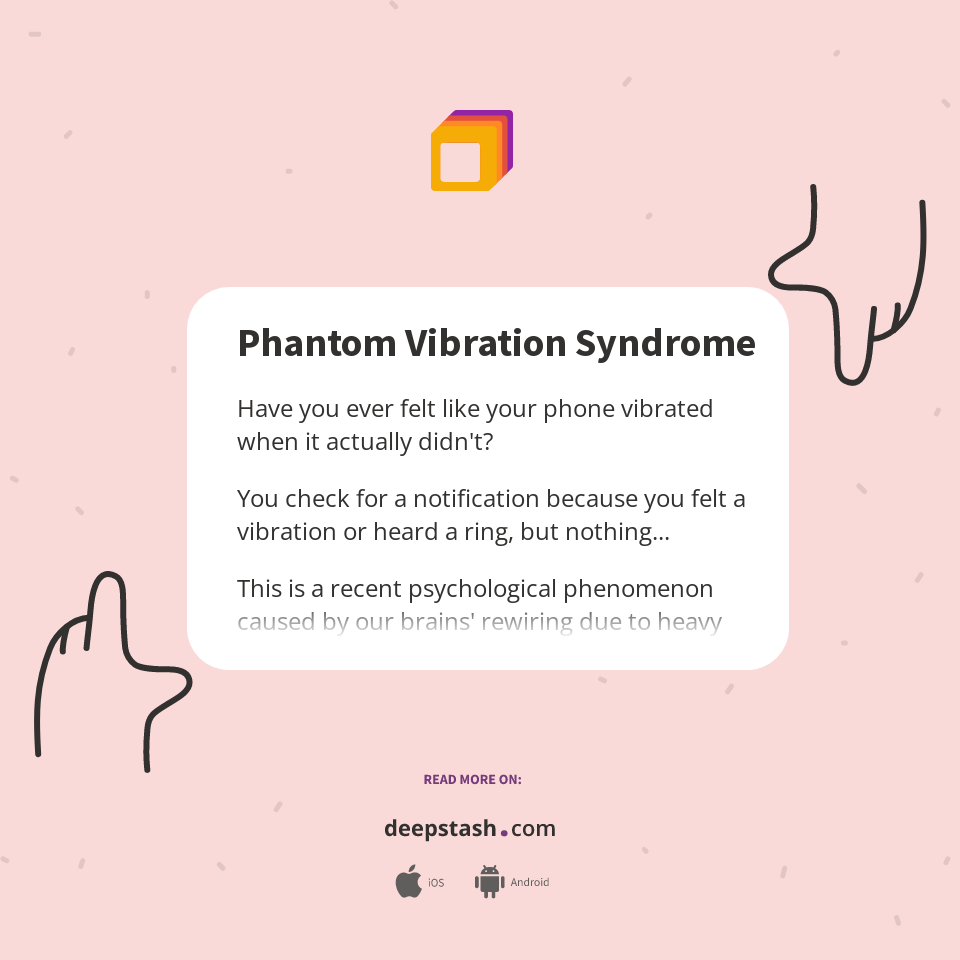
Have you ever felt your phone vibrate in your pocket or on a table, only to reach for it and find that there's nothing new? You're not alone. Phantom Phone Vibration Syndrome (PVS), also known as Phantom Ringing Syndrome, is a common phenomenon where individuals perceive their phone as vibrating or ringing when it's not. In this article, we'll delve into the neuroscience behind this condition, its prevalence, and ways to reclaim your attention.
What is Phantom Phone Vibration Syndrome?
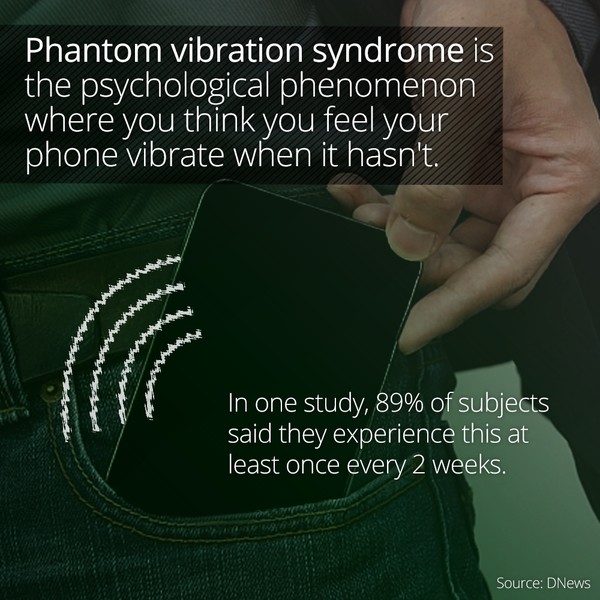
Phantom Phone Vibration Syndrome refers to the false perception that one's mobile phone or other technological device is vibrating or ringing when it is not. This condition has been recognized since 2003 by Robert D. Jones, and it's estimated that up to 89% of phone users experience PVS at some point in their lives.
The Neuroscience Behind Phantom Phone Vibration Syndrome
Research suggests that PVS is linked to our brain's tendency to anticipate and respond to notifications. When we use our phones frequently, our brain learns to associate the sensation of vibration or ringing with the expectation of receiving a message, call, or notification. This leads to a phenomenon called "continuous expectation," where our brain becomes primed to expect notifications even when there are none. As a result, harmless physical sensations, such as muscle spasms or clothing movement, can be misinterpreted as the phone vibrating or ringing.
Prevalence and Associated Factors
Studies have shown that PVS is more common among heavy phone users, with up to 90% of phone users experiencing phantom vibrations. Factors associated with PVS include anxiety, depression, and socioeconomic status (SES). A 2012 study found that 34% of participants reported experiencing phantom vibrations from their mobile phone.
Consequences of Phantom Phone Vibration Syndrome
While PVS is not a serious condition, it can lead to increased anxiety and stress, as well as decreased productivity and focus. Continuous expectation of notifications can lead to a state of hyper-vigilance, where individuals feel the need to constantly check their phone for non-existent notifications. This can also contribute to phone addiction, as individuals become increasingly reliant on their phones for a sense of connection and validation.
Breaking the Cycle: Strategies to Overcome Phantom Phone Vibration Syndrome
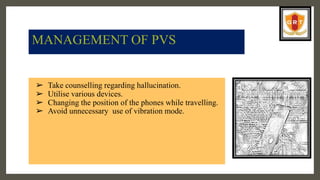
Fortunately, there are ways to overcome PVS and reduce its impact on your daily life. Some strategies include:
- Setting boundaries: Establish phone-free zones and times to help you disconnect from your phone and reduce expectations of notifications.
- Notification management: Customize your phone's notifications to minimize perceived vibrations and reduce the urge to check your phone constantly.
- Mindfulness practices: Engage in mindfulness exercises to increase awareness of your thoughts and physical sensations, reducing the likelihood of misinterpreting harmless sensations as phone vibrations.
- Phone addiction awareness: Recognize the signs of phone addiction and take steps to minimize phone use, such as setting screen time limits and scheduling phone-free hours.
- Alternative notification systems: Experiment with alternative notification systems, such as smartwatches or tablets, to reduce perceived phone vibrations.
Conclusion
Phantom Phone Vibration Syndrome is a common phenomenon that affects millions of phone users worldwide. By understanding the neuroscience behind PVS and implementing strategies to overcome it, you can break the cycle of continuous expectation and reclaim your attention. Remember, your brain is powerful, and with awareness and intention, you can learn to differentiate between real and phantom phone vibrations.