Protecting your online identity from online stalking: A comprehensive guide
Online stalking is a growing concern in today's digital age, and it's essential to take proactive measures to safeguard your online identity. In this article, we'll delve into the world of online stalking, explore its risks and consequences, and provide you with practical tips to protect yourself from cyberstalkers.
Understanding Online Stalking
Cyberstalking, or online stalking, is the use of online technologies to harass, threaten, or intimidate a selected victim. It can happen to anyone, regardless of age or gender, and can have severe consequences on a person's mental and emotional well-being.
Risks and Consequences of Online Stalking
Online stalking can lead to a range of negative outcomes, including:
- Emotional distress and anxiety
- Loss of confidence and self-esteem
- Social isolation and withdrawal
- Physical harm or even death
Warning Signs of Online Stalking
Be aware of the following warning signs that someone might be stalking you online:
- Unwanted contact or messages on social media or email
- Repeated calls or messages with no response
- Showing up at your home, workplace, or favorite hangouts
- Monitoring your online activity or tracking your location
Protecting Your Online Identity from Online Stalking
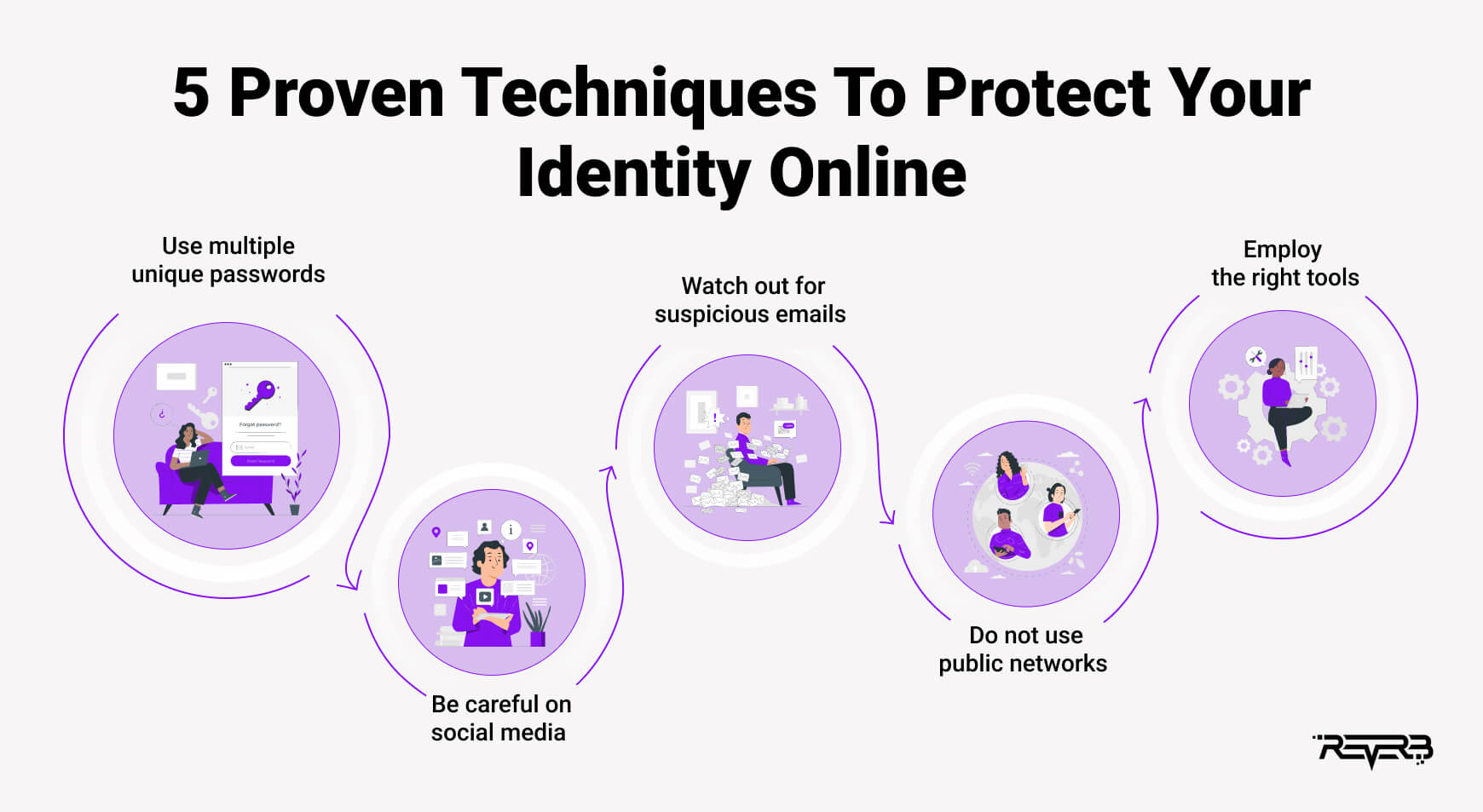
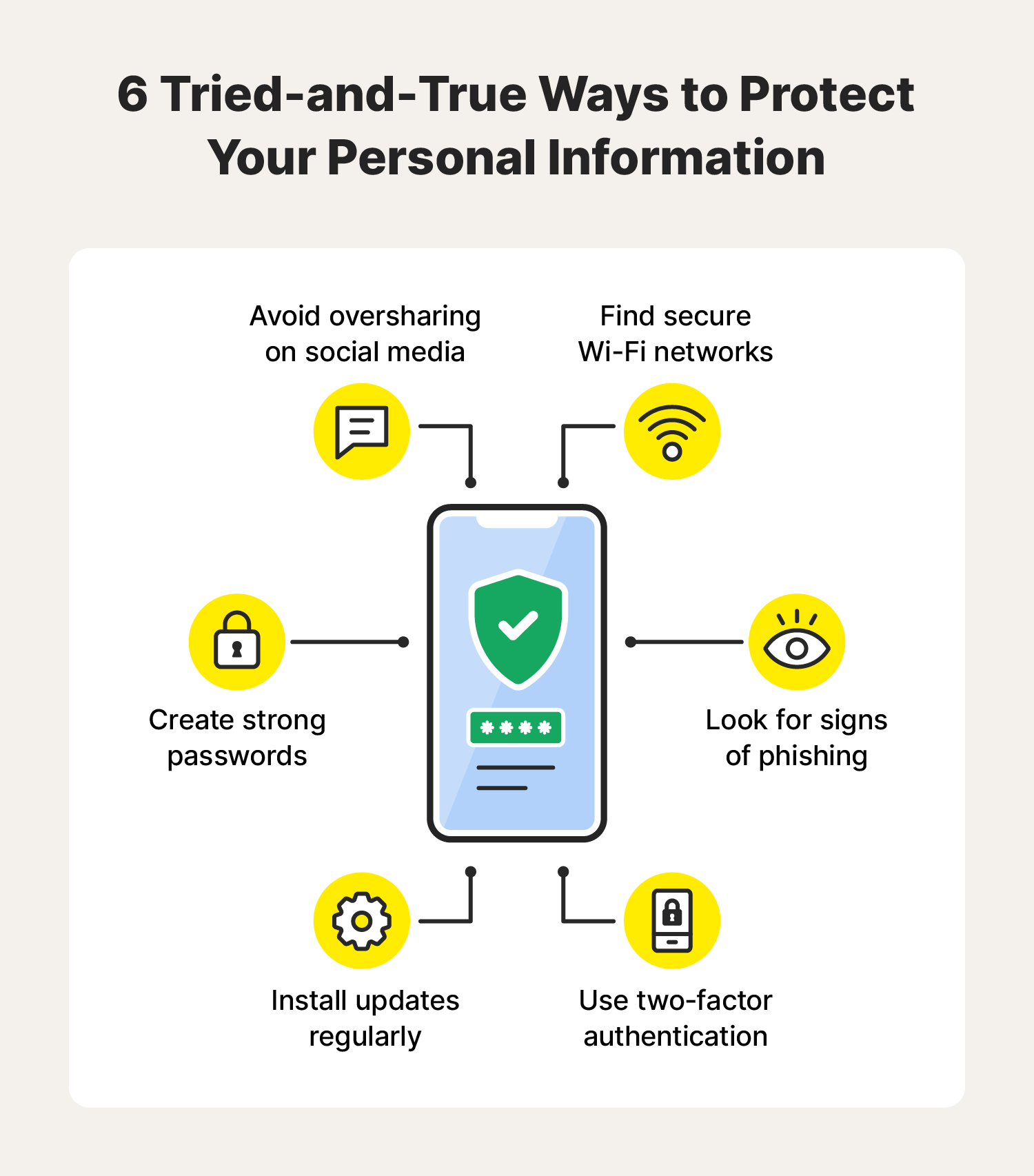
To safeguard your online identity from online stalking, follow these essential tips:
1. Use Strong, Unique Passwords
Use a password manager to generate and store complex, unique passwords for all your online accounts.
2. Enable Two-Factor Authentication (2FA)
Enable 2FA on all accounts that offer it, to add an extra layer of security and prevent unauthorized access.
3. Monitor Your Online Presence
Regularly review your social media and online activity to ensure no suspicious accounts or activity.
4. Use Reputable Antivirus Software
Install and regularly update reputable antivirus software to protect your device from malware and other online threats.
5. Be Cautious with Personal Information
Avoid sharing personal information, such as your address, phone number, or financial details, online.
6. Use a Secure Browser
Use a dedicated secure browser, such as Tor, to encrypt your online activity and protect your identity.
7. Report Suspicious Activity
Immediately report any suspicious activity or messages to the relevant authorities and take action to block the stalker.
8. Educate Yourself and Others
Stay informed about online stalking, its risks, and consequences, and educate your friends and family about how to protect themselves online.
Conclusion
Online stalking is a serious concern that requires attention and action. By understanding the risks and consequences, recognizing warning signs, and implementing protective measures, you can safeguard your online identity and stay safe in the digital world.
Additional Resources
For more information on online stalking and cyberstalking, visit the following resources:
- Defamation Defenders: A comprehensive guide to cyberstalking and online harassment
- Identity Theft Protection: Learn how to protect yourself from identity theft and online scams
- Cyberstalking Safety Tips: Share these tips to help increase awareness and prevent online stalking
By staying informed and taking proactive measures, you can protect yourself from online stalking and maintain a safe and secure online presence.