Preventing Tech Neck Fatigue in Adults: A Guide
Are you tired of feeling like your neck is aching every time you use your phone or computer? Do you experience headaches, stiffness, or numbness in your hands? If so, you may be suffering from tech neck fatigue, a common issue caused by prolonged use of electronic devices.
The Dangers of Tech Neck
When we spend long hours staring at screens, our muscles in the neck have to work overtime to hold our head in position. This can lead to neck pain, spasms, and even numbness in the hands. In severe cases, tech neck can cause issues beyond the neck and shoulders, such as lower back pain, headaches, and temporomandibular joint pain.
The Consequences of Tech Neck
- Headaches: Tension headaches caused by muscle strain and eye fatigue after prolonged screen time
- Neck pain: Tightness and discomfort in the neck muscles from awkward head positions
- Thumb and Hand Pain: Discomfort in the hands and fingers due to excessive smartphone and computer use
- Lower Back Pain: Extra spinal pressure in the neck can lead to lower back pain and other issues
- Brittle Bones: Prolonged tech neck can lead to bone loss and weakness in the neck and upper back
Why Does Tech Neck Happen?
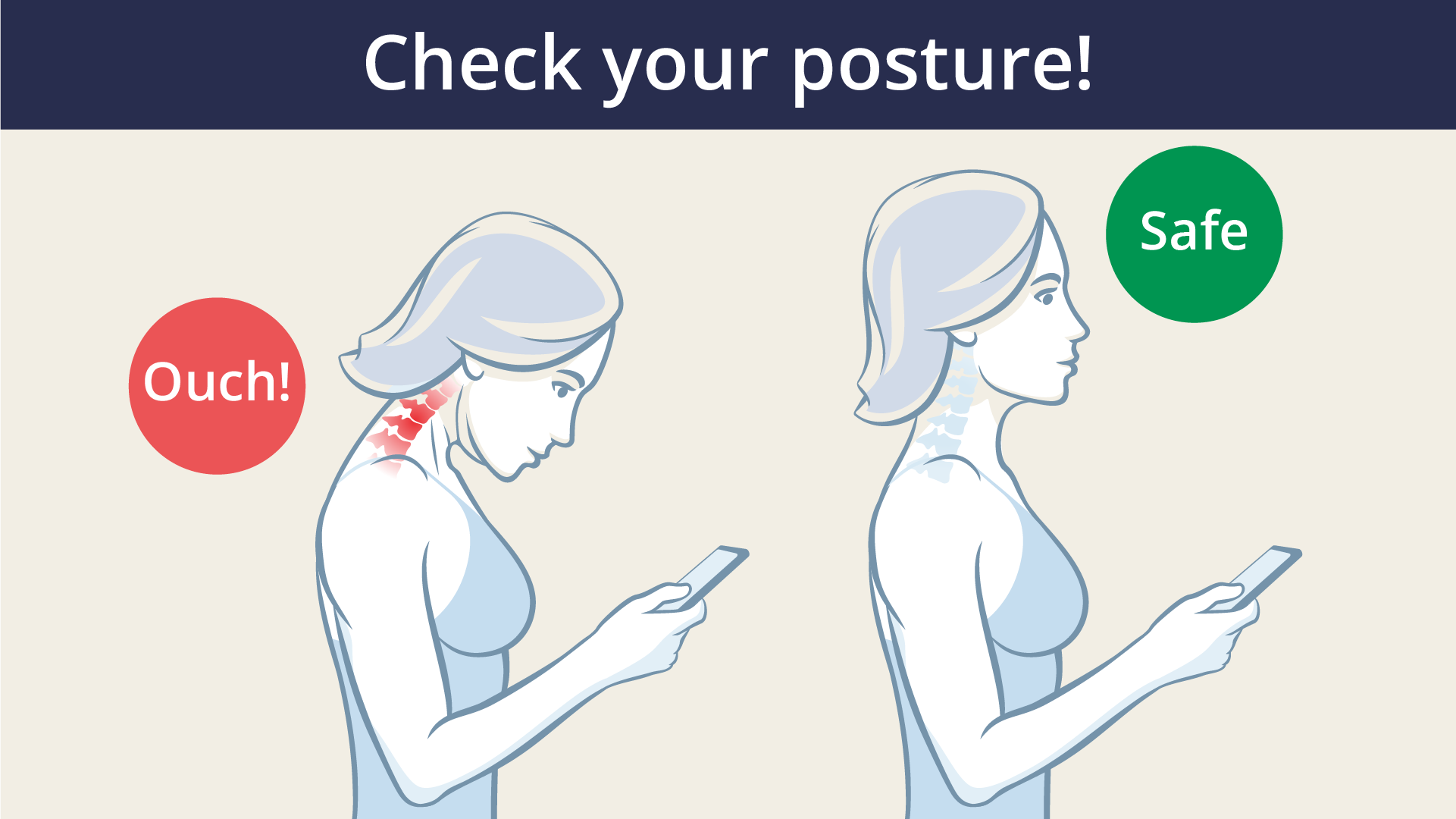
Tech neck occurs when individuals hold their head in a forward position, bending their neck, and shoulders. This can be due to
- Prolonged screen time: Working or gaming on computers, laptops, or smartphones for extended periods
- Poor posture: Slouching or slumping while sitting, standing, or lying down
- Inadequate breaks: Not taking regular breaks to stretch and move
- Lack of exercise: Sedentary lifestyle or lack of physical activity
Preventing Tech Neck Fatigue
Preventing tech neck fatigue is easier than you think. Here are some simple tips to help you avoid the pain and discomfort associated with tech neck:
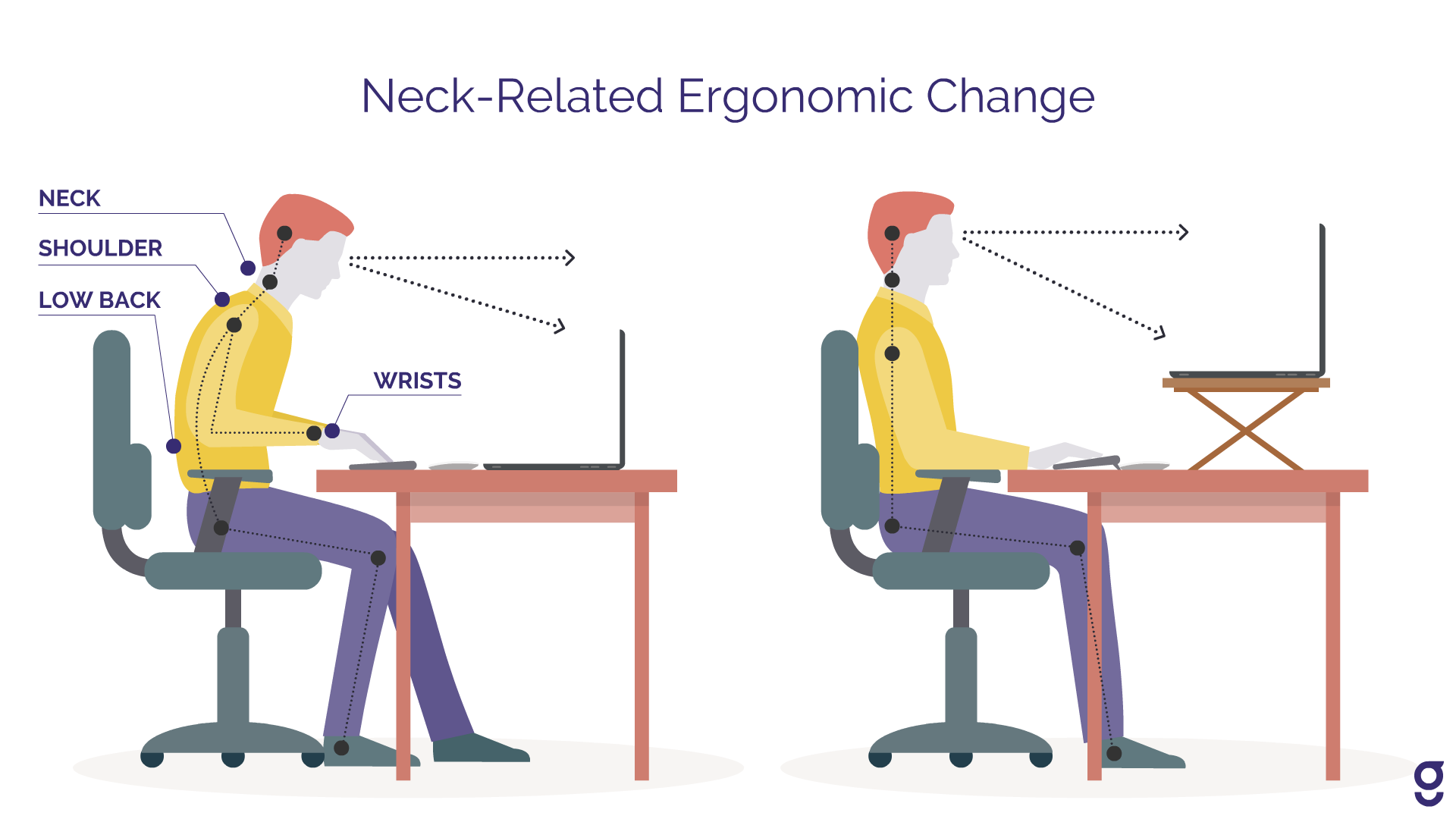
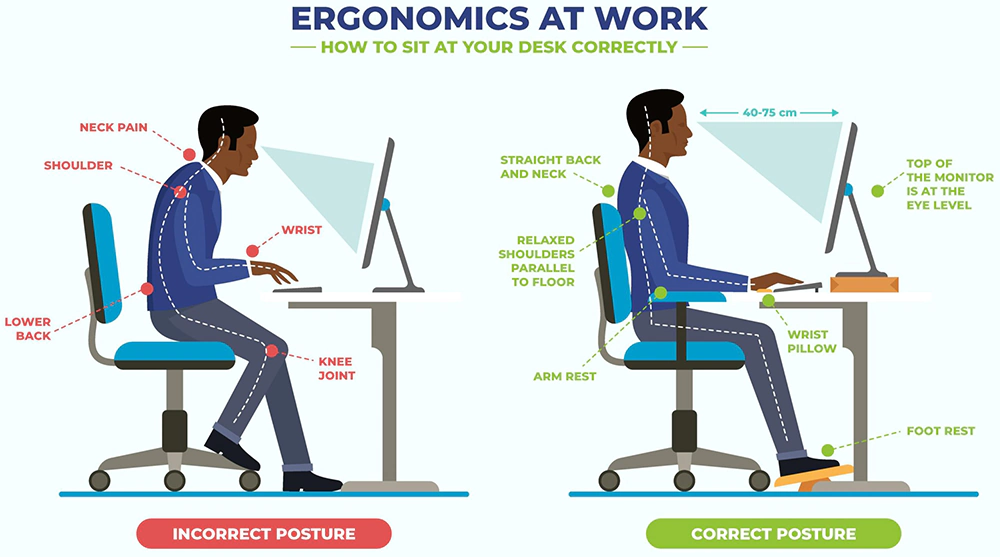
- Practice good posture: Sit and stand using good posture as much as possible
- Taking regular breaks**: Take short breaks every 30-60 minutes to stretch and move
- Strengthen your neck and shoulder muscles**: Engage in exercises that target these areas, such as neck stretches and shoulder rolls
- Improve your workspace ergonomics**: Adjust your chair, monitor, and keyboard to ensure a comfortable position
- Educate yourself on proper posture**: Understand the importance of good posture and make adjustments to your daily habits
- Consider physical therapy**: Consult a professional to address any underlying issues and learn how to properly use your devices
Common Tech Neck Exercises
Here are some simple exercises to help alleviate tech neck fatigue:
- Chin Tucks: Stand or sit with good posture and slowly tuck your chin in toward your chest
- Shoulder Rolls: Roll your shoulders forward and backward in a circular motion
- Neck Stretch: Gently tilt your head to the side, bringing your ear toward your shoulder, and hold for 30 seconds
- Upper Back Stretch: Place your hands behind your back and interlock your fingers, squeezing your shoulder blades together
Conclusion
Preventing tech neck fatigue is a simple and achievable goal. By understanding the causes of tech neck, adopting good posture habits, and incorporating exercises into your daily routine, you can alleviate the pain and discomfort associated with this common issue. Remember, a healthy posture is a happy posture!