FOMO Prevention Tips to Take Control of Your Life
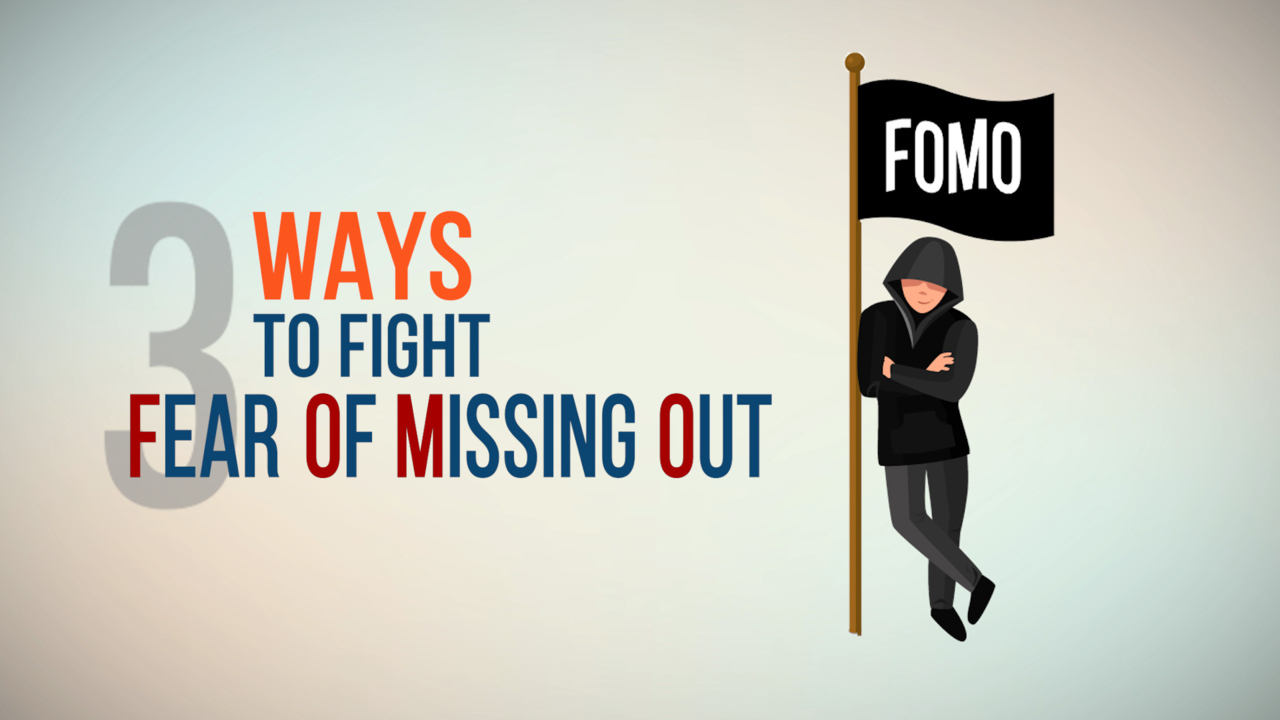
The fear of missing out (FOMO) is a widespread phenomenon that affects millions of people worldwide. It's the anxiety of feeling left behind or missing out on experiences, events, or opportunities that others are enjoying. It's essential to recognize the signs of FOMO, understand its causes, and develop strategies to manage it. In this article, we'll explore the concept of FOMO, its impact on mental health, and provide effective FOMO prevention tips to help you take control of your life.
Understanding FOMO
FOMO is a modern epidemic that has been exacerbated by the rise of social media. Platforms like Instagram, Facebook, and Twitter create an impression that everyone around you is having the time of their life, leading to feelings of inadequacy and anxiety. However, it's crucial to remember that social media often presents a curated version of people's lives, which can be misleading and unrepresentative.
Recognizing FOMO Triggers
- Social Media:** Constantly scrolling through social media can make you feel like you're missing out on exciting events, opportunities, or experiences. Limit your social media usage, especially before bedtime, to reduce FOMO triggers.
- Comparisons and Envy:** Comparing your life with others can fuel FOMO. Shift your focus to your own goals, achievements, and progress.
- Perfectionism:** Striving for perfection can lead to feelings of inadequacy, which can contribute to FOMO. Practice self-compassion and recognize that nobody is perfect.
Effective FOMO Prevention Tips
Preventing FOMO requires a combination of self-awareness, mindfulness, and intentional habits. Here are some tips to help you manage FOMO:
Tip #1: Recognize and Challenge Negative Thoughts
When you feel the urge to check social media or worry about what others are doing, pause and ask yourself if these thoughts are based on facts or assumptions. Challenge negative thoughts by reframing them in a more positive and realistic light.
Tip #2: Set Boundaries and Prioritize Your Time
Establish a daily routine that includes dedicated time for self-care, relaxation, and goal-oriented activities. Prioritize activities that bring you joy and align with your values, rather than constantly checking social media.

Tip #3: Practice Gratitude and Mindfulness
Focus on the present moment and practice gratitude by reflecting on the good things in your life. Mindfulness techniques, such as meditation and deep breathing, can help you stay grounded and centered.
Tip #4: Cultivate Meaningful Relationships
Nurture relationships with people who support and uplift you, rather than those who fuel FOMO. Schedule quality time with loved ones, engage in activities that promote connection and shared experiences.
Tip #5: Reframe Comparison and Envy
Recognize that comparisons are unfair and unhelpful. Focus on your own strengths, accomplishments, and progress. Practice self-compassion and acknowledge that nobody's life is perfect.
Tip #6: Limit Exposure to FOMO Triggers
Reduce your exposure to social media, specifically before bedtime, to minimize FOMO triggers. Set boundaries around your social media use and make a conscious effort to engage in activities that promote relaxation and calmness.
Conclusion
Preventing FOMO requires a multifaceted approach that involves self-awareness, mindfulness, and intentional habits. By recognizing FOMO triggers, cultivating meaningful relationships, and practicing gratitude, you can take control of your life and break free from the grip of FOMO. Remember, it's okay to take your time, prioritize your well-being, and focus on the present moment.