Remedies for Hiccup Spasms: Effective Ways to Get Rid of Hiccups
What are Hiccups?
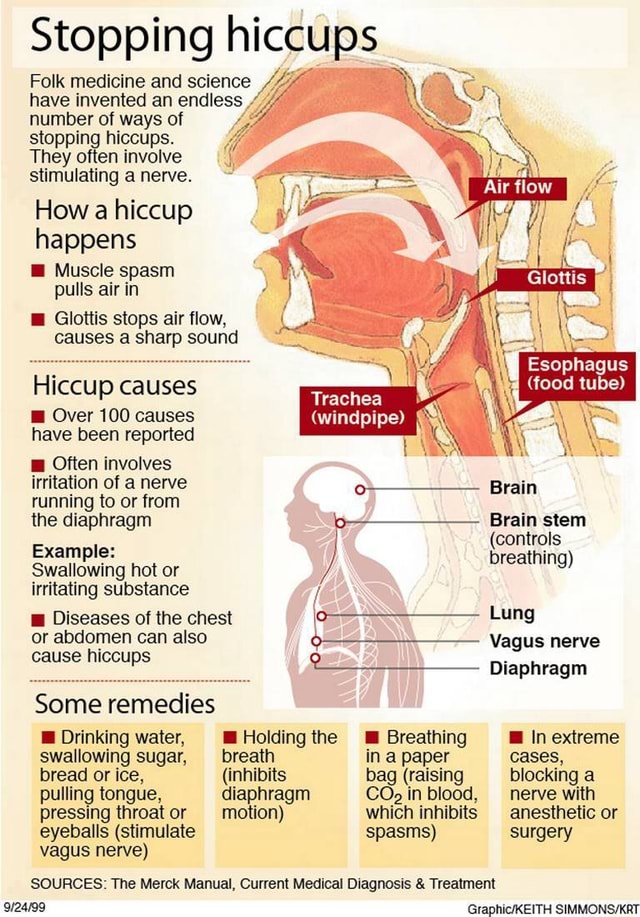
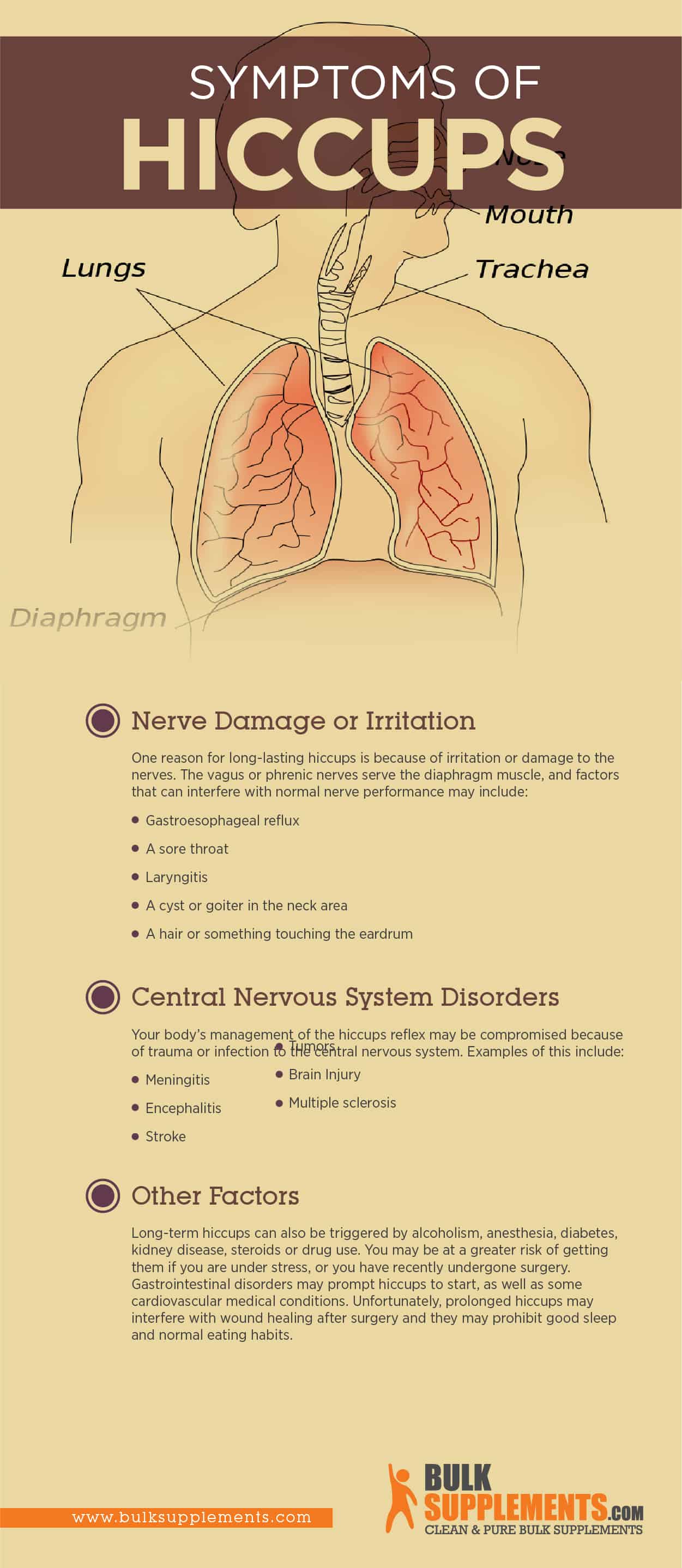
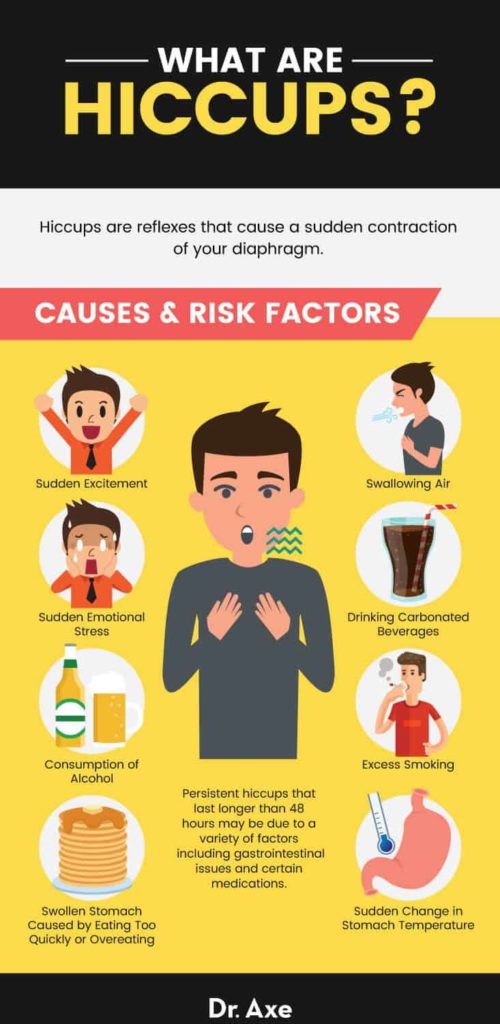
Hiccups are involuntary contractions or spasms of the diaphragm muscle, which is a dome-shaped muscle that sits beneath your lungs, helping you breathe. When you experience hiccups, three things happen simultaneously: your diaphragm muscle contracts suddenly, your larynx (or voice box) contracts at the same time, and the sudden inhalation makes a "hic" sound.
Causes of Hiccups
Hiccups can be caused by a variety of factors, including diet, medications, emotional states, and underlying medical conditions. Common triggers of hiccups include eating too quickly or swallowing air, drinking too much or too quickly, stress, excitement, or emotion. In rare cases, hiccups may be a sign of an underlying medical problem, such as acid reflux or gastroesophageal reflux disease (GERD).
Remedies for Hiccup Spasms
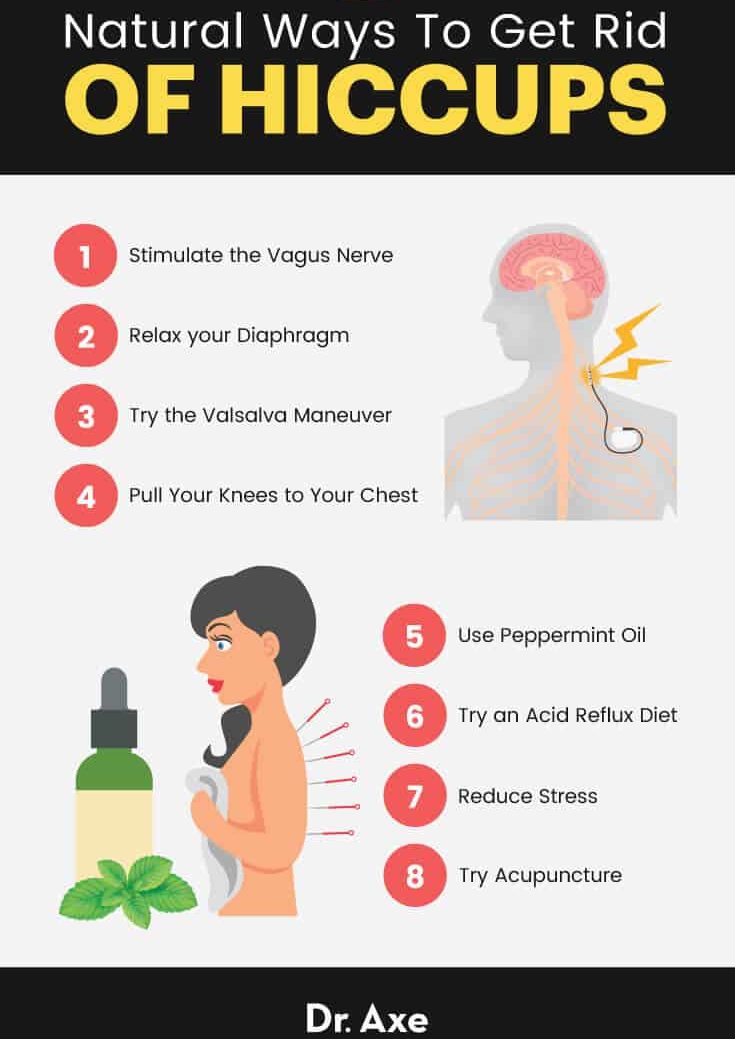
Fortunately, there are many remedies that can help alleviate hiccup spasms. Here are some effective ways to get rid of hiccups:
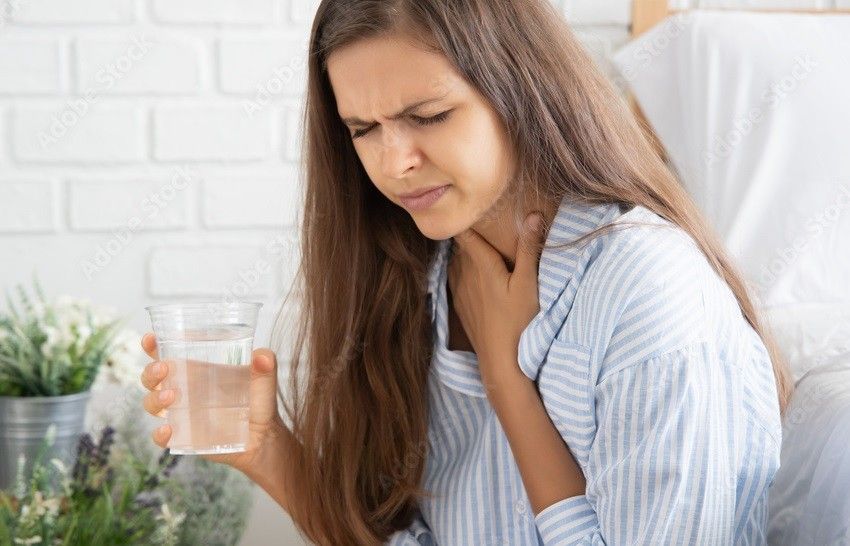
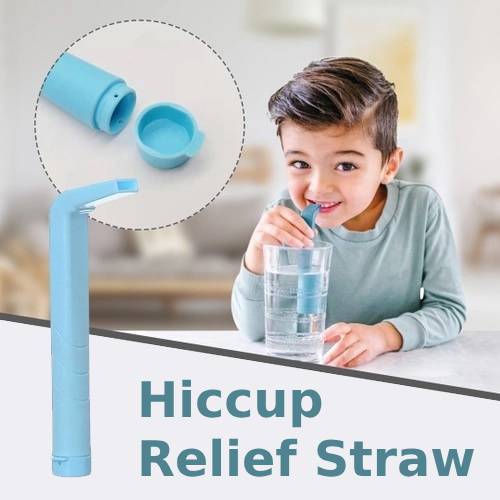
- Drink Water: Drinking water is one of the most popular remedies for hiccups. Taking a few sips of water can help relax the diaphragm and stop the hiccup spasms.
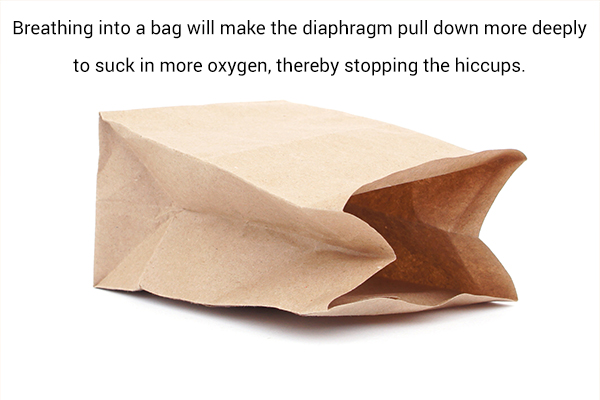
- Breathe into a Paper Bag: Breathing into a paper bag can help slow down your breathing and reduce the spasms.
- Hold Your Breath: Holding your breath for 10 seconds or longer can help stop the hiccup spasms.
- Gargle Water: Gargling with water can help stimulate the vagus nerve and stop the hiccups.
- Eat a Spoonful of Sugar: Eating a spoonful of sugar can help stimulate the vagus nerve and stop the hiccups.
- Apply Pressure to the Diaphragm: Applying pressure to the diaphragm by pressing your fingers into your lower chest can help stop the hiccup spasms.
- Try the "Valsalva maneuver": The Valsalva maneuver involves pinching your nose shut, closing your mouth, and blowing air through your nose. This can help increase pressure in your chest and stop the hiccups.
- Try relaxation techniques: Stress, excitement, or emotion can trigger hiccups. Practicing relaxation techniques, such as meditation or deep breathing, can help reduce stress and alleviate hiccup spasms.
When to Seek Medical Attention
In most cases, hiccups are harmless and will stop on their own. However, if your hiccups persist for more than 48 hours or are accompanied by other symptoms such as chest pain, difficulty breathing, or vomiting, you should seek medical attention. Your doctor may prescribe medication to treat the underlying cause of your hiccups, or recommend other treatments, such as acupuncture or sedatives.
Conclusion
Hiccups can be a annoying and frustrating experience, but there are many remedies that can help alleviate hiccup spasms. By trying some of the effective remedies listed above, you can help stop hiccups quickly and easily. Remember to seek medical attention if your hiccups persist or are accompanied by other symptoms.