Rethinking Hyperconnectivity in the Modern World
In today's fast-paced, technologically driven world, the concept of hyperconnectivity has become an integral part of our lives. But what does it truly mean, and how does it impact our lives? The term hyperconnectivity refers to the extensive and seamless connectivity enabled by modern technologies, affecting various aspects of our personal and professional lives.
Defining Hyperconnectivity
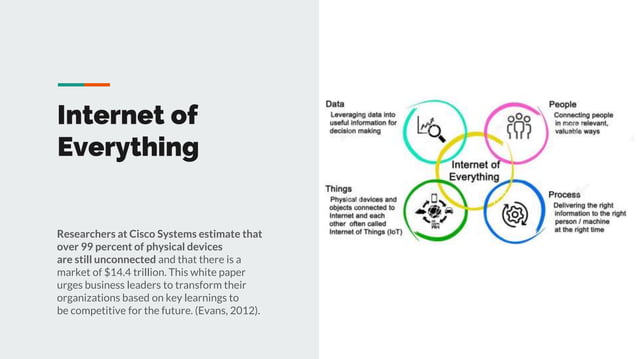
Hyperconnectivity is more than just "better" connectivity; it encompasses the unprecedented interconnection of people, devices, systems, and data across the levels of technology, society, and enterprises. This phenomenon has transformed the way we communicate, work, and interact with each other.
The Impact of Hyperconnectivity
- Transforming Human Interactions: Smartphones and social media have revolutionized the way we form relationships and interact with each other. But this has come at a cost, with phenomena such as "phubbing" and constant connectivity negatively impacting the quality of face-to-face interactions and emotional well-being.
- Disrupting Traditional Concepts: Hyperconnectivity has challenged traditional concepts of friendship, intimacy, and belonging, forcing us to rethink our understanding of social relationships in the digital age.
- Creating New Opportunities: On the other hand, hyperconnectivity has also created new opportunities for global communication, collaboration, and innovation, enabling us to connect with people and access information from all over the world.
The Boundaries of Hyperconnectivity
As we navigate the era of hyperconnectivity, we are forced to confront the boundaries of this phenomenon. With the omnipresence of connectivity, traditional boundaries between countries, organizations, and individuals are being disrupted, driving convergence and changing the very nature of technology.

Rethinking Hyperconnectivity in the Modern World
As we move forward in this hyperconnected world, it is essential to reevaluate the implications of hyperconnectivity and its impact on our lives. This requires a nuanced understanding of the benefits and challenges associated with hyperconnectivity, as well as a willingness to adapt and evolve in response to the changing technological landscape.
Adapting to the Hyperconnected World
To navigate the challenges of hyperconnectivity, we need to adopt a proactive and adaptive approach. This includes:
- Embracing Digital Literacy: Developing the skills and competencies needed to thrive in a hyperconnected world, including digital communication, data analysis, and cybersecurity.
- Fostering Digital Inclusion: Ensuring that everyone has access to the digital tools and resources needed to participate fully in the hyperconnected world.
- Addressing Digital Risks: Mitigating the risks associated with hyperconnectivity, such as cybersecurity threats, data breaches, and online harassment.
Conclusion
Rethinking hyperconnectivity in the modern world requires a deep understanding of its implications and impact on our lives. By embracing the benefits of hyperconnectivity while addressing its challenges, we can create a more inclusive, equitable, and connected world for all.