Starting a Small Business: A Comprehensive Guide
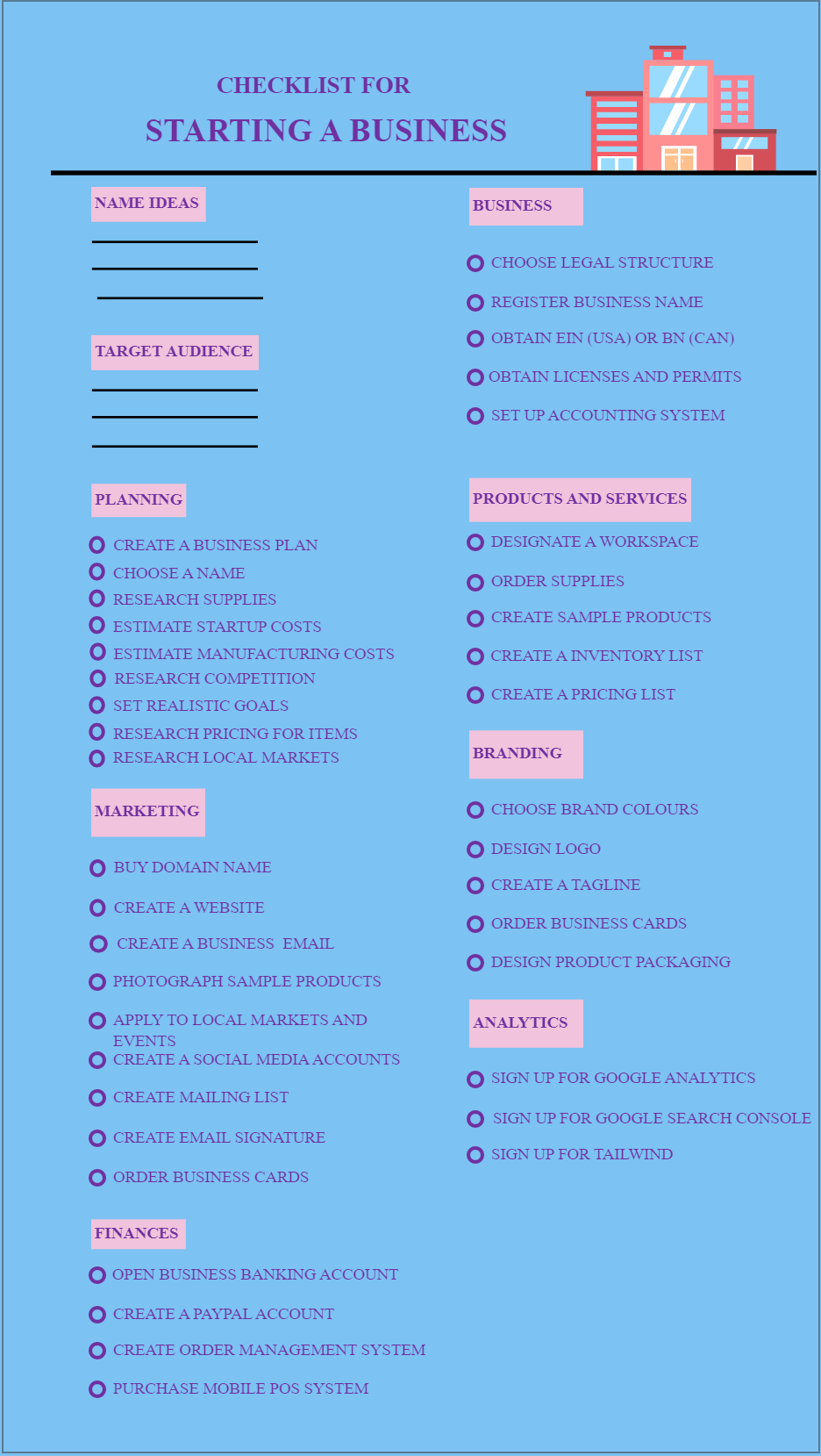
Are you ready to turn your entrepreneurial dreams into a reality? Starting a small business can be a thrilling experience, but it requires careful planning, patience, and dedication. In this article, we will guide you through the process of starting a small business, from concept to launch.
Step 1: Define Your Business Idea
The first step in starting a small business is to define your business idea. What problem are you trying to solve? What products or services do you want to offer? Conduct market research to identify your target audience, their needs, and preferences. Develop a unique value proposition that sets your business apart from competitors.
- Conduct market research to identify your target audience and their needs
- Develop a unique value proposition that sets your business apart
- Create a business plan that outlines your mission, vision, and goals
Step 2: Create a Business Plan
A business plan is a roadmap that outlines your business goals, strategies, and tactics. It should include a detailed description of your business, market analysis, marketing and sales strategy, financial projections, and operational plan. A business plan helps you stay focused, motivated, and on track.
- Write a clear and concise business description
- Conduct a market analysis to identify trends and opportunities
- Develop a marketing and sales strategy that targets your audience
- Create financial projections that include income statements, balance sheets, and cash flow statements
Step 3: Choose a Business Structure
Choosing a business structure is an important decision that affects your taxes, liability, and ownership. The most common business structures are sole proprietorship, partnership, LLC, and corporation. Each structure has its pros and cons, and it's essential to choose the one that suits your business needs.
- Choose a sole proprietorship for simplicity and low startup costs
- Select a partnership for shared ownership and decision-making
- Pick an LLC for liability protection and tax benefits
- Select a corporation for tax benefits and liability protection
Step 4: Register Your Business

Once you have chosen a business structure, it's time to register your business. This involves obtaining necessary licenses and permits, registering with the state and local governments, and obtaining a tax ID number. Make sure to comply with all regulations and laws to avoid fines and penalties.
- Register your business with the state and local governments
- Obtain necessary licenses and permits
- Apply for a tax ID number
- Register for employee identification numbers (EINs) if you have employees
Step 5: Secure Funding
Funding is a critical aspect of starting a small business. You may need to secure loans, grants, or investments to finance your business. Develop a solid financial plan, and create a budget that outlines your expenses and revenue projections.
- Develop a solid financial plan
- Apply for loans, grants, or investments
- Create a budget that outlines your expenses and revenue projections
- Monitor your cash flow and adjust your budget as needed
Step 6: Build Your Team
Building a team is essential to the success of your small business. You may need to hire employees, contractors, or partners to help you manage your business. Develop a recruitment strategy that attracts the right talent, and create a positive work environment that encourages productivity and growth.
- Develop a recruitment strategy that attracts the right talent
- Create a positive work environment that encourages productivity and growth
- Train and develop your team members to ensure they have the necessary skills and knowledge
- Encourage open communication and feedback to build a strong team culture
Conclusion
Starting a small business requires careful planning, patience, and dedication. By following these steps, you can turn your entrepreneurial dreams into a reality. Remember to stay focused, motivated, and adaptable, and always be open to new opportunities and challenges.