Teaching Children to Recognize Digital Fatigue
As technology continues to play an increasingly prominent role in our lives, it's essential for parents, educators, and caregivers to teach children about digital fatigue. This phenomenon is a result of prolonged exposure to screens, social media, and other digital activities, leading to a state of mental exhaustion, emotional strain, and decreased productivity. Recognizing the signs of digital fatigue is crucial for cultivating healthier digital habits and promoting emotional well-being in children.
What is Digital Fatigue?
Digital fatigue is a multifaceted concept that encompasses cognitive overload, emotional strain, and constant micro-decisions that wear down a child's attention. It's not just about "too much screen time," but rather a complex interplay of factors that can leave children feeling wired and tired at the same time. This can lead to decreased motivation, reduced productivity, and negatively impact their mental health.
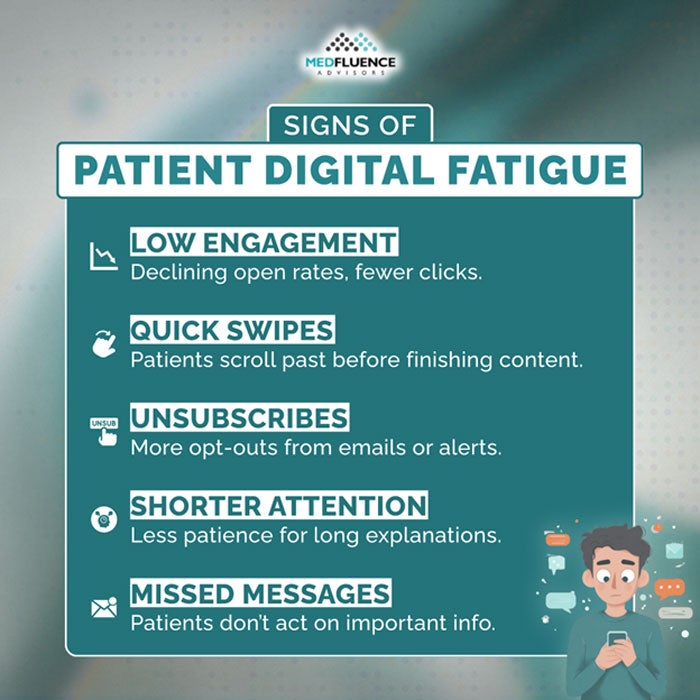
Symptoms of Digital Fatigue
Schools, parents, and educators should be aware of the following signs of digital fatigue in children:
- Headaches or eye strain
- Increased irritability or mood swings
- Decreased concentration or focus
- Procrastination or avoidance of digital activities
- Decreased motivation or enthusiasm for activities
The 20-20-20 Rule Checklist
A simple yet effective strategy to combat digital fatigue is the 20-20-20 rule. This involves taking a 20-second break every 20 minutes to look at something 20 feet away. This can help reduce eye strain and promote healthy digital habits. Establish a morning routine that includes a quick outdoor view, setting a timer reminder for the 20-20-20 rule, and positioning screens at eye level to avoid strain.
Preventing Digital Fatigue
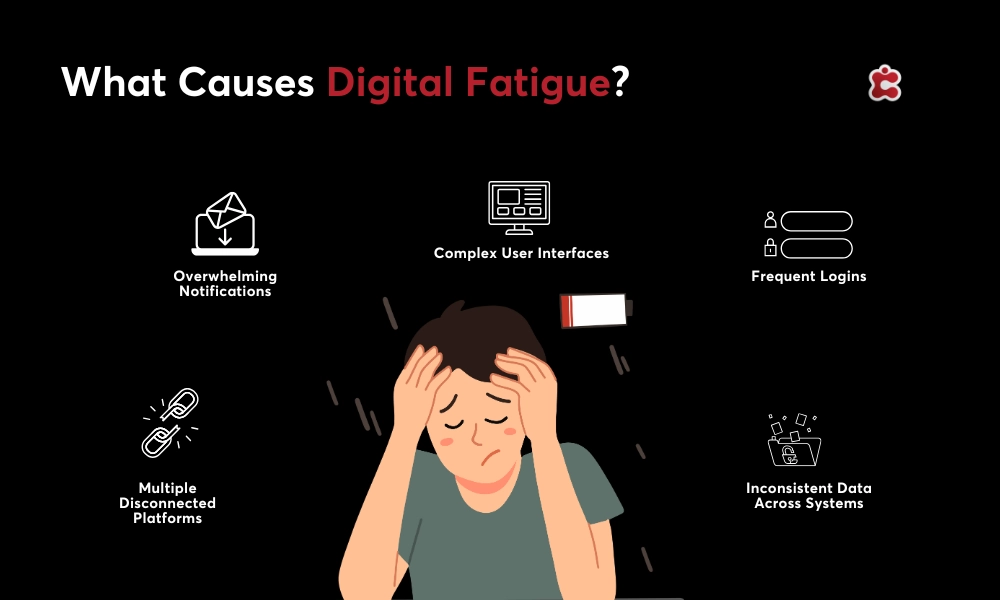
Preventing digital fatigue requires a combination of awareness, self-regulation, and environmental design. Here are some strategies to help children develop healthier digital habits:
- Encourage physical activity and outdoor play
- Set screen-free zones or times, such as during meals or family gatherings
- Implement regular breaks and digital detoxes
- Model healthy digital habits and prioritize face-to-face interactions
- Foster a growth mindset and encourage children to take ownership of their digital well-being
Teaching Digital Literacy and Citizenship
Digital literacy goes beyond technical know-how and encompasses skills and attitudes that enable children to be safe and empowered in the digital world. This includes critical thinking, online safety, and responsible tech use. Educating children about digital citizenship is crucial for promoting a positive and respectful online culture.
Conclusion
Teaching children to recognize digital fatigue is essential for promoting their emotional well-being, academic success, and digital literacy. By understanding the signs of digital fatigue and implementing strategies to prevent it, we can empower children to develop healthier digital habits and thrive in the digital age.
Recommendations for Educators and Parents
Here are some recommendations for educators and parents to help children recognize and prevent digital fatigue:
- Integrate digital literacy and citizenship into the curriculum
- Provide regular breaks and digital detoxes in the classroom or at home
- Model healthy digital habits and prioritize face-to-face interactions
- Encourage physical activity and outdoor play
- Foster a growth mindset and encourage children to take ownership of their digital well-being