Wireless Network Security for Developers: A Comprehensive Guide
In today's connected world, ensuring the security of wireless networks is more crucial than ever. As a developer, understanding the basics of wireless network security is essential to creating robust and secure solutions. This article will delve into the world of wireless network security, discussing the importance of security, the various types of attacks, and the best practices for securing wireless networks.
What is Wireless Network Security?
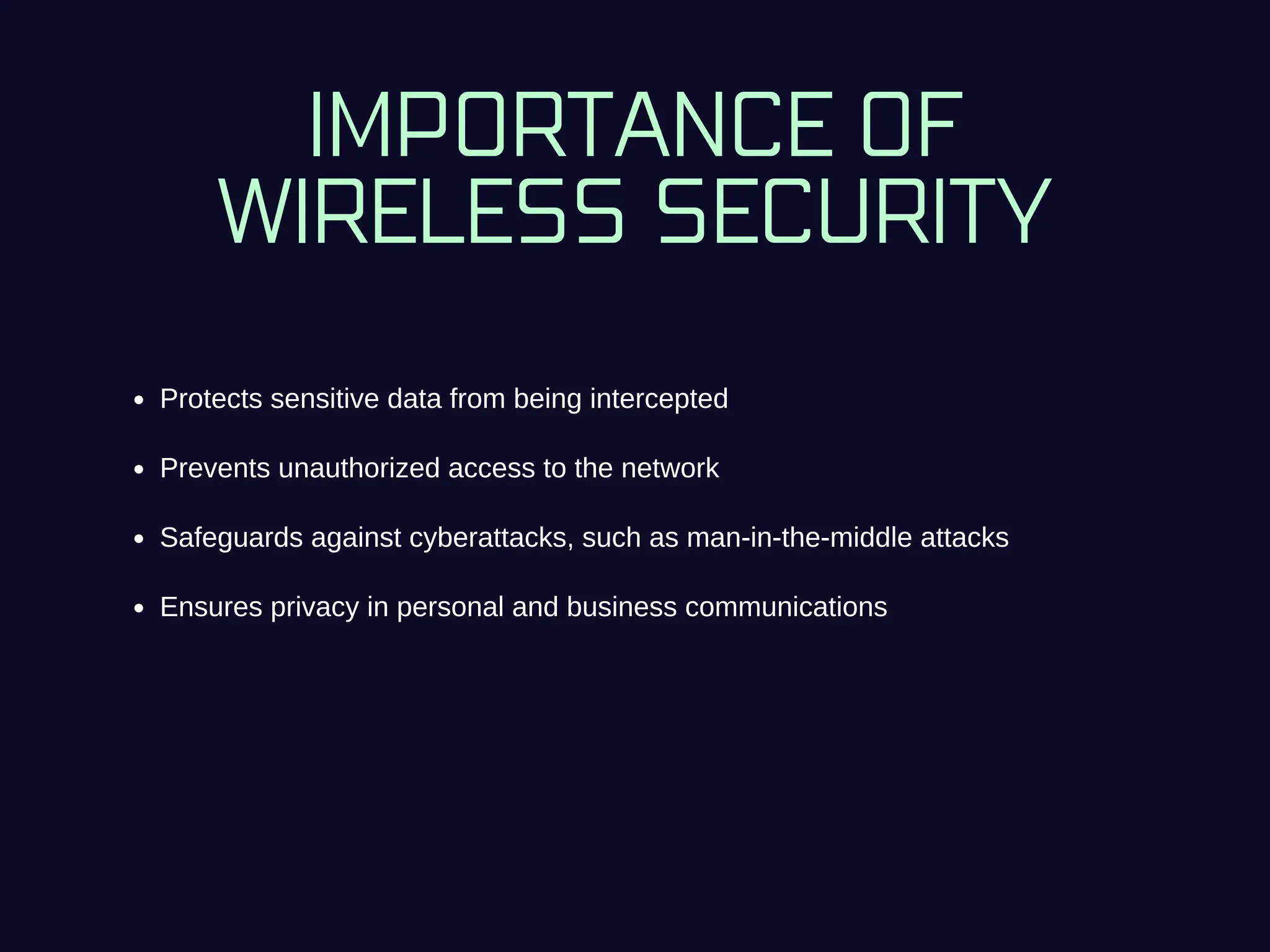
Wireless network security refers to the measures and technologies implemented to protect wireless networks from various threats, including fraud, theft, malicious hacking, and espionage. These threats can compromise the integrity and confidentiality of data transmitted over the network. Effective wireless network security measures are crucial to prevent unauthorized access, data theft, and other malicious activities.
Types of Attacks on Wireless Networks
There are several types of attacks that can compromise wireless network security. Some of the most common attacks include:
- MAC Spoofing: This involves modifying the MAC address of a device to masquerade as a legitimate device on the network.
- WEP/WPA Cracking: Weak encryption techniques used in WEP and WPA can be exploited by hackers to gain access to the network.
- Rogue Access Point: A rogue access point is a device that masquerades as an authorized access point, but actually allows unauthorized access to the network.
- DNS Spoofing: This involves tampering with DNS responses to redirect users to malicious websites or steal sensitive information.
Best Practices for Securing Wireless Networks
To prevent these types of attacks and ensure the security of wireless networks, follow these best practices:
- Use Strong Encryption: Implement WPA2 or WPA3 encryption to secure data transmission over the wireless network.
- Configure Access Points Securely: Securely configure access points to prevent rogue access points and MAC spoofing.
- Regularly Update Firmware and Software: Regularly update firmware and software to patch vulnerabilities and prevent exploitation by hackers.
- Implement Guest Network Isolation: Isolate guest networks from the main network to prevent unauthorized access.
- Use Two-Factor Authentication: Implement two-factor authentication to add an extra layer of security and prevent malicious activities.

Wireless Network Security for Developers
As a developer, understanding wireless network security is crucial to creating secure and robust solutions. Here are some key considerations for developers:
- Use Secure Protocols: Use secure protocols such as HTTPS and SFTP to ensure secure data transmission.
- Implement Security Measures: Implement security measures such as encryption, access control, and authentication to protect data and prevent unauthorized access.
- Regularly Update Code: Regularly update code to patch vulnerabilities and prevent exploitation by hackers.
- Use Secure Networks: Use secure networks and protocols to prevent data theft and malicious activities.
Conclusion
Wireless network security is a critical component of modern cybersecurity. As a developer, understanding the basics of wireless network security is essential to creating robust and secure solutions. By following best practices and implementing security measures, you can ensure the integrity and confidentiality of data transmitted over wireless networks.
Further Reading
For more information on wireless network security, check out the following resources:
- Wi-Fi Alliance's wireless network security guide
- Cisco's cybersecurity center
- AT&T's network security blog