FOMO in Event Planning: A Crucial Strategy for Success
The fear of missing out, or FOMO, is a psychological trigger that has the power to drive people's actions. In the context of event planning, FOMO can be a game-changer for boosting engagement, increasing attendance, and generating buzz around an event.
What is FOMO in Event Planning?
FIrst, let's dive into the concept of FOMO. FOMO is a psychological phenomenon where individuals feel anxiety or apprehension about missing out on experiences, events, or opportunities that others are participating in. In the context of event planning, FOMO can be used to create a sense of urgency and exclusivity, motivating attendees to register or participate in an event.
Why FOMO is Effective in Event Marketing
So, why is FOMO effective in event marketing? Research has shown that FOMO taps into our basic human needs for social connection and belonging. By creating a sense of exclusivity and scarcity, event planners can drive participation and engagement among attendees. According to Eventbrite's Event Discovery Survey, Facebook and word of mouth from friends and family are the top two ways attendees learn about events, highlighting the importance of social networking and FOMO in event planning.
10 Ways to Create FOMO in Event Planning

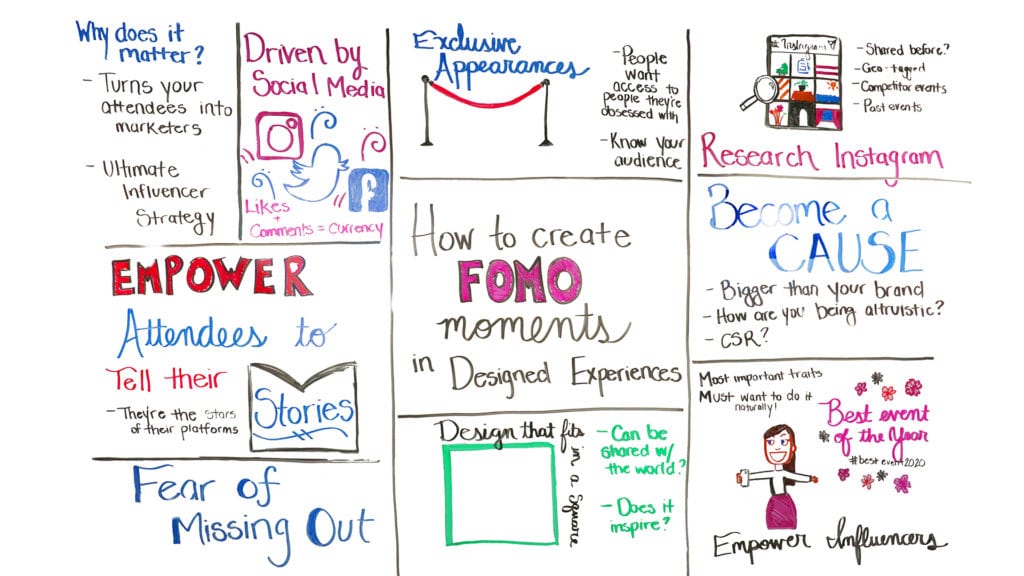
- 1. Exclusive Invitations: Design exclusive invitations that create a sense of urgency and scarcity. This can be done through limited-time offers, exclusive access, or early-bird discounts.
- 2. Social Media Teasers: Use social media to create anticipation and excitement around an event. Share behind-the-scenes content, sneak peeks, or exclusive offers to get people talking.
- 3. Storytelling: Use storytelling to create a compelling narrative around an event. Share stories of past events, highlight the speakers, or showcase the unique experiences that attendees can expect.
- 4. Word-of-Mouth Marketing: Encourage attendees to share their experiences and create a buzz around an event. This can be done through social media, email marketing, or in-event promotions.
- 5. Urgency and Scarcity: Create a sense of urgency and scarcity by limiting the number of tickets available, offering limited-time discounts, or creating a sense of exclusivity.
- 6. Exclusivity: Offer exclusive experiences, access, or perks to attendees who register early or participate in a specific activity. li>7. Social Proof
- Highlight testimonials, reviews, or feedback from past attendees to create social proof and build trust.
- 8. Partnerships and Collaborations: Collaborate with influencers, speakers, or other event planners to create a sense of FOMO and excitement around an event.
- 9. Interactive Experiences: Create interactive experiences, such as gamification, contests, or interactive sessions, to engage attendees and create a sense of FOMO.
- 10. Closed-Loop Marketing: Use closed-loop marketing to gather feedback, analyze data, and refine your event marketing strategy to create a more effective FOMO-driven campaign.
Benefits of FOMO in Event Planning
By incorporating FOMO into event planning, you can experience a range of benefits, including:
- Increased attendance and participation
- Boosted engagement and interaction among attendees
- Enhanced brand recognition and reputation
- Improved social sharing and word-of-mouth marketing
- Increased revenue through ticket sales and sponsorships
Conclusion
In conclusion, FOMO is a powerful tool in event planning that can drive engagement, increase attendance, and generate buzz around an event. By incorporating strategies such as exclusive invitations, social media teasers, storytelling, and urgency and scarcity, you can create a sense of FOMO and motivate attendees to participate in your event. Remember to use FOMO strategically and ethically, avoiding tactics that might come across as manipulative or deceitful. With a well-planned FOMO-driven campaign, you can create a must-attend event that attendees will remember for a long time.