Wireless Security for Small Business Network: A Comprehensive Guide
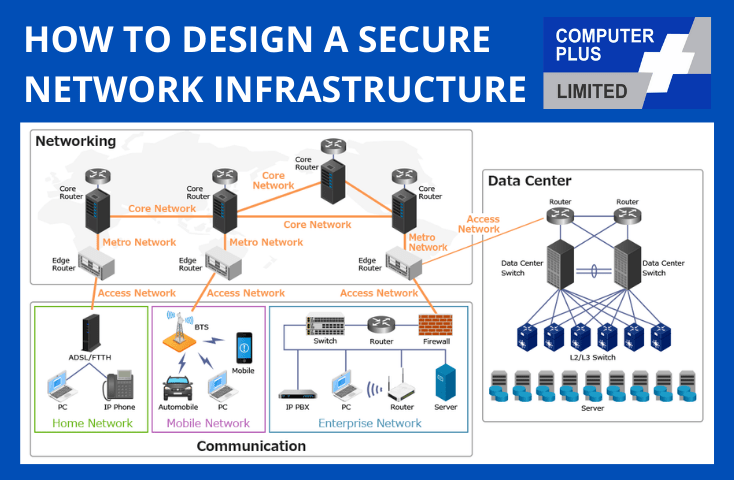
As a small business owner, protecting your network and data from cyber threats is crucial to the success and growth of your company. With the increasing number of cyberattacks targeting small businesses, it's essential to implement robust wireless security measures to safeguard your network. In this guide, we'll discuss the basics of wireless network security, types of security systems, and provide expert tips on how to set up a secure wireless network for your small business.
What is Wireless Network Security?
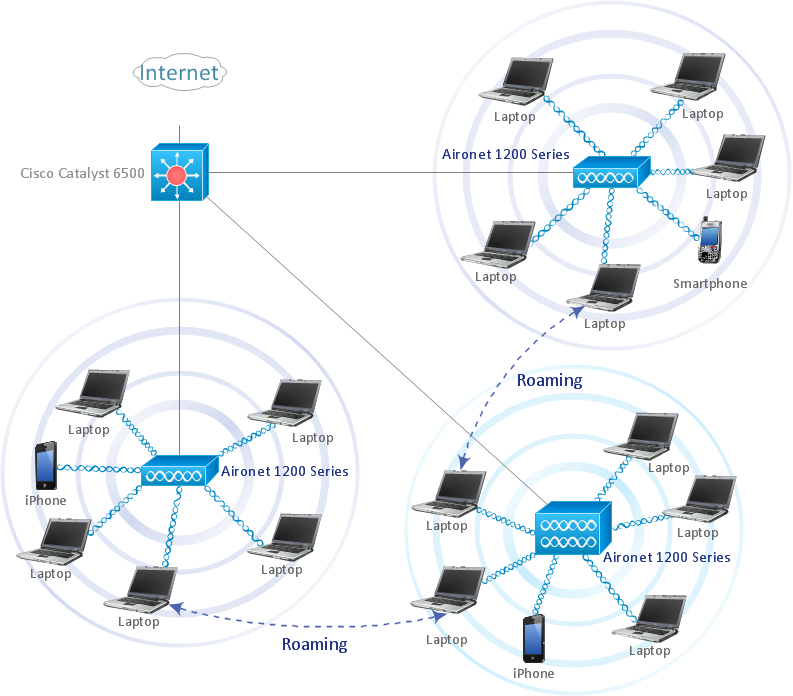
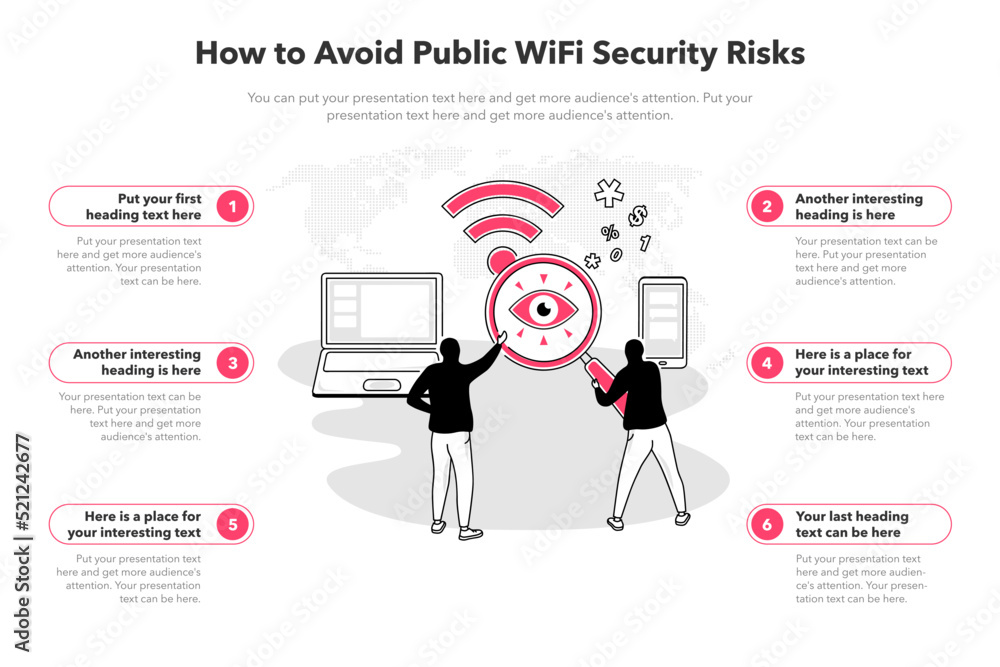
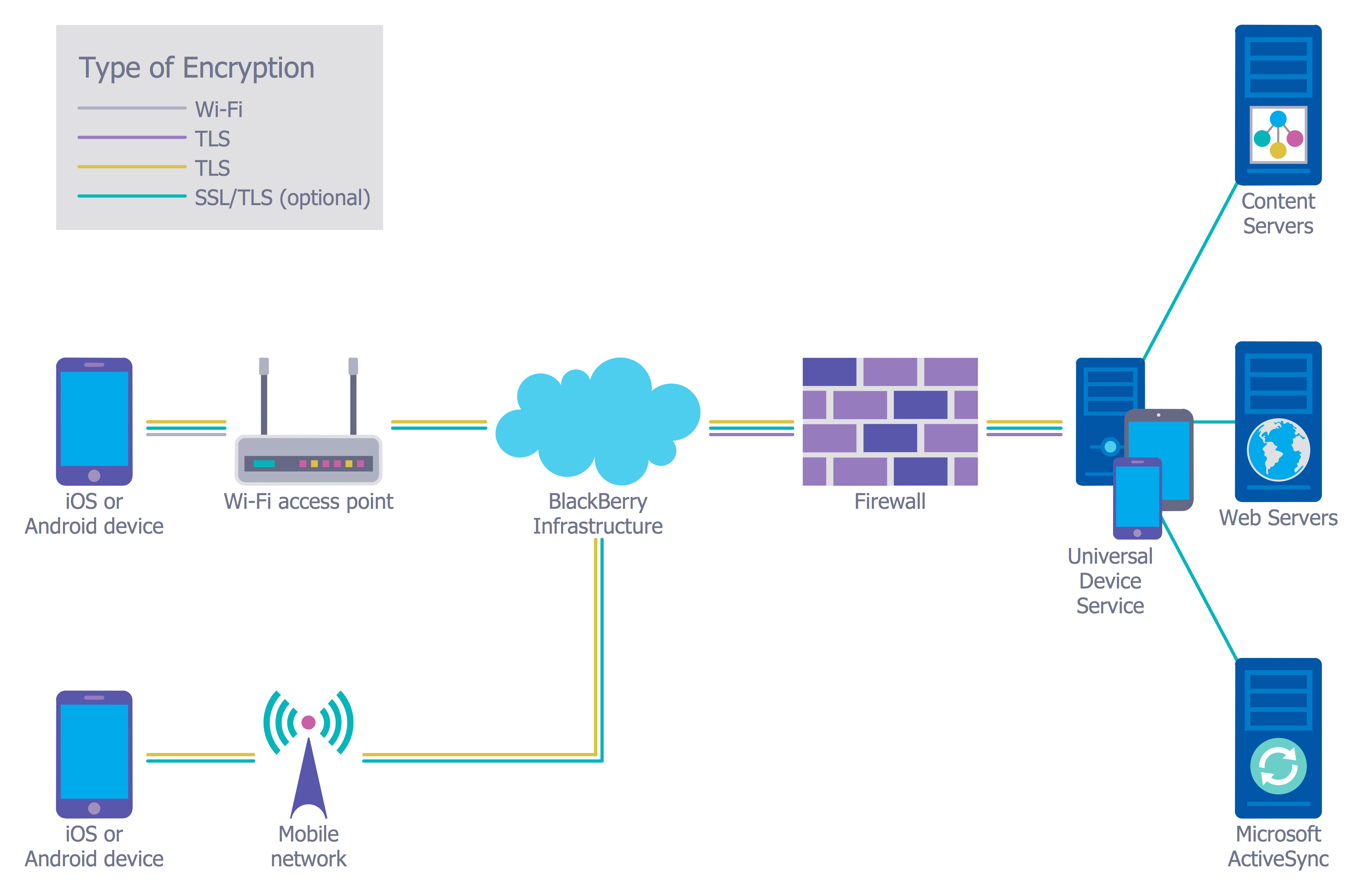
Wireless network security refers to the measures taken to prevent unauthorized access or damage to computers using wireless networks. Wi-Fi security is the most common type of wireless security, which protects information sent through a Wi-Fi network. Several different types of security measures can be used to protect Wi-Fi networks, including WEP, WPA, WPA2, and WPA3.
Which Wireless Security System is the Most Secure?
WPA3 is currently the most secure wireless network security system. It supersedes WEP, WPA, and WPA2 in terms of wireless network security protection and security enhancements. WPA3 is more capable of data encryption and key exchange than previous versions (Sagers, 2021).
Security Strategies for Small Business Networks
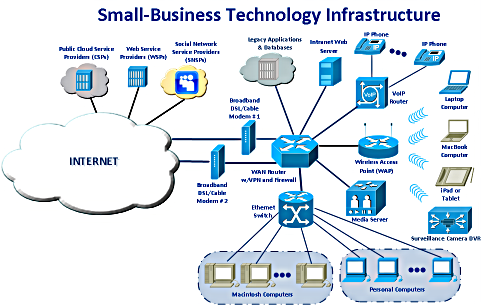
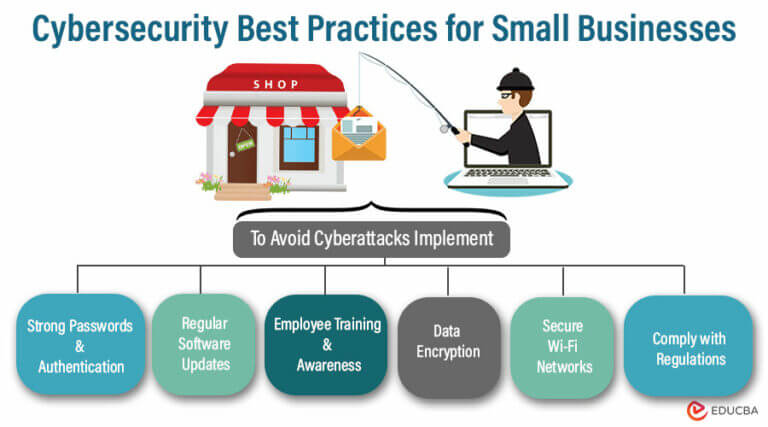
Protecting your small business network requires a combination of hardware and software security measures. Here are some key strategies to consider:
- Use WPA3 encryption: WPA3 is the most secure wireless network security system available, offering advanced encryption and key exchange capabilities.
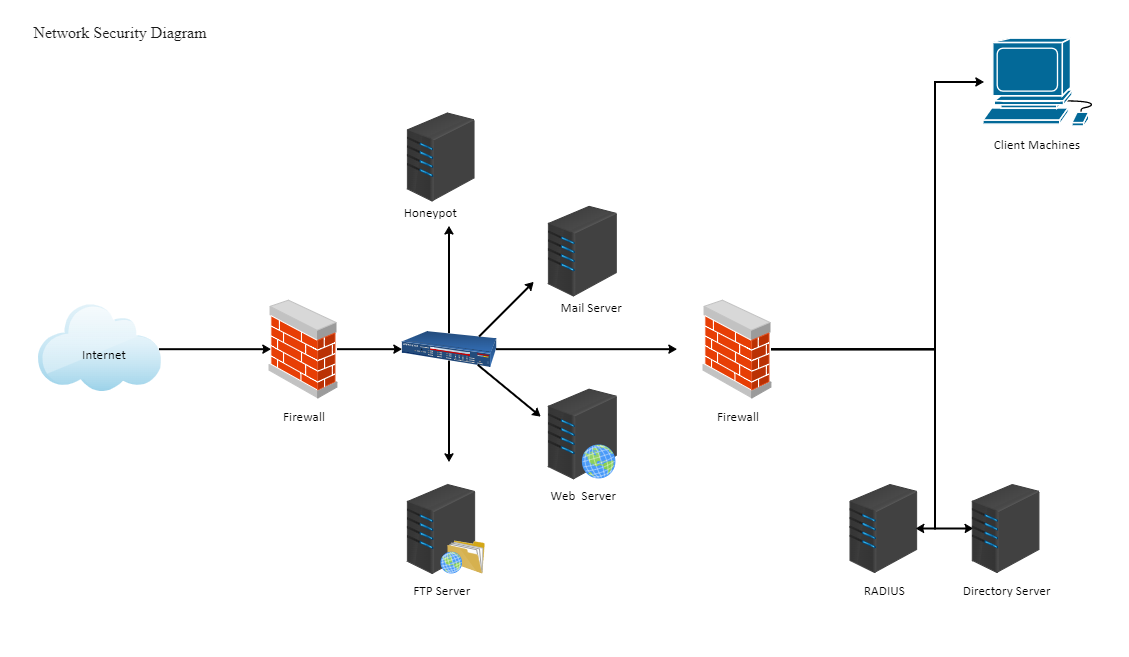
- Implement a firewalls: Firewalls can help block unauthorized access to your network and prevent cyber attacks.
- Use secure passwords: Use strong and unique passwords for all network devices and user accounts.
- Monitor network activity: Regularly monitor your network activity to detect and respond to potential security threats.
- Use antivirus software: Install and regularly update antivirus software to protect against malware and other cyber threats.
- Regularly update firmware: Regularly update your network devices' firmware to ensure you have the latest security patches and features.

Wireless Network Security Best Practices
Here are some best practices to keep in mind when setting up a wireless network for your small business:
- Change default SSID and passwords: Change the default SSID and passwords for all network devices.
- Use a guest network: Set up a guest network to separate public and private networks.
- Use MAC address filtering: Use MAC address filtering to restrict access to your network based on the MAC address of devices.
- Regularly back up data: Regularly back up your data to prevent loss in the event of a cyber attack or network failure.
- Train employees: Train employees on wireless network security best practices and the importance of securing the network.
Conclusion
Protecting your small business network from cyber threats requires a combination of hardware and software security measures. By implementing WPA3 encryption, firewalls, secure passwords, and regularly monitoring network activity, you can help prevent unauthorized access and damage to your network. Additionally, following best practices such as changing default SSID and passwords, using a guest network, and regularly backing up data can help ensure the security and integrity of your network.
Expert Tips and Solutions
Looking for expert tips and solutions to secure your small business network? Here are some resources to consider:
- Fortinet's secure office solution for SMBs: Fortinet offers a comprehensive solution for securing small business networks, including powerful networking and security features.
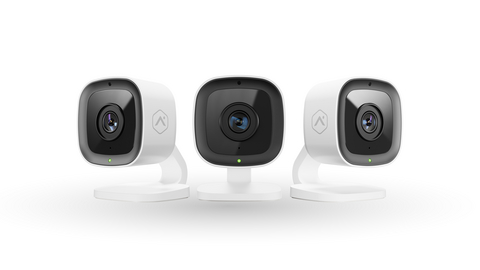
- Arlo's wifi-enabled wired & wireless security cameras: Arlo offers a range of security cameras and systems that can help protect your business from cyber threats and physical security breaches.
- WatchGuard Firebox T25-W: WatchGuard offers a compact security solution designed for small businesses, featuring 5-year Total Security, wireless support, VPN, and remote management.
- Cisco certifications: Cisco offers a range of certifications to help you develop the skills you need to secure your small business network.



.jpeg "Small Business Network Security Solutions - Fortinet")