Anxiety Triggers: Understanding the Hidden Causes of Mental Health Struggles
May 22, 2025Many things can trigger anxiety, but some are more common than others. We explain how to identify and manage your anxiety triggers.
What Are Anxiety Triggers?
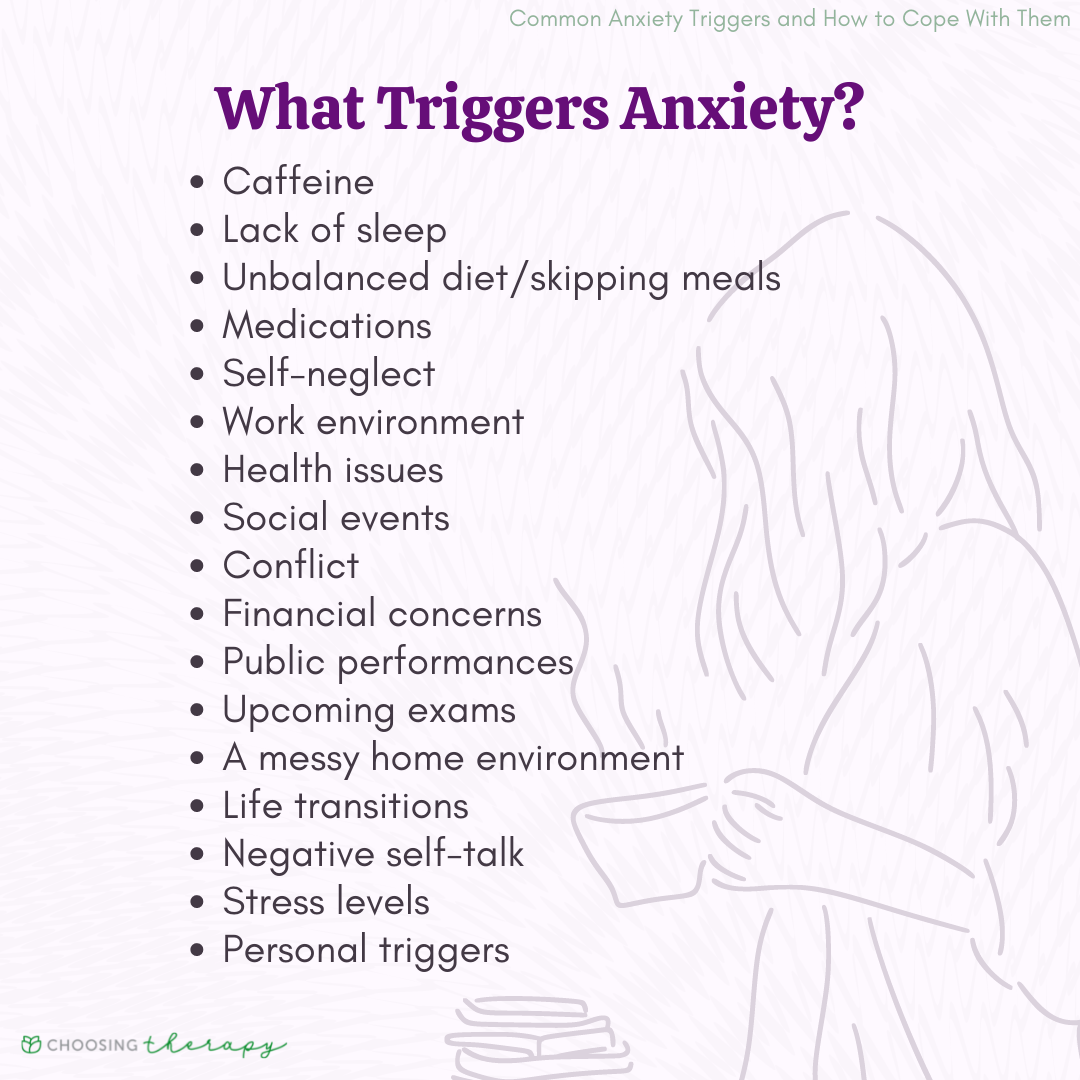
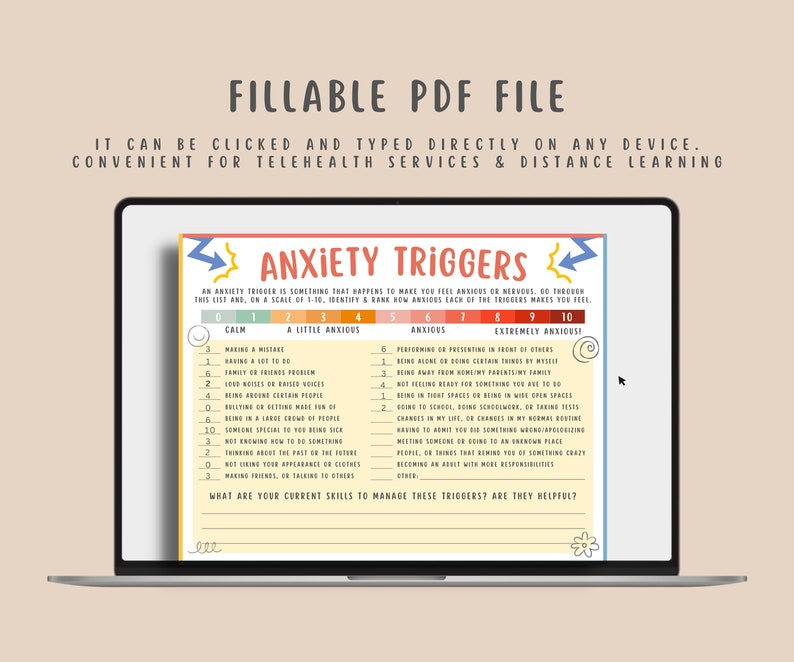
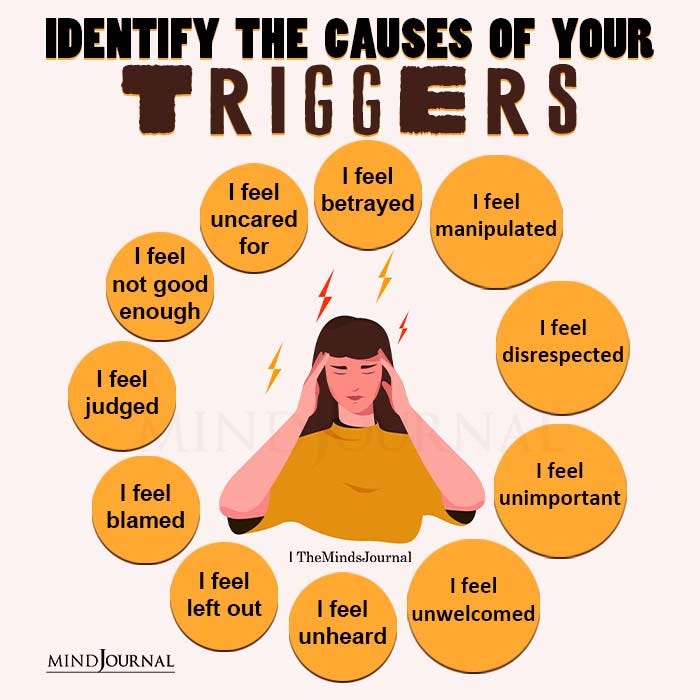
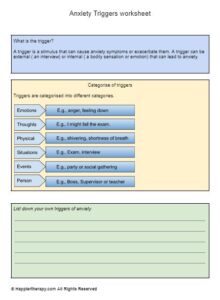
Anxiety is a mental health condition that shows up as fear, uncontrollable worry, racing thoughts, and various physical symptoms. While anxiety can relate to a variety of life areas, there are certain things that can spike or trigger anxiety. The first step in coping with anxiety is to identify your personal triggers, and then make steps to handle them.
16 Common Anxiety Triggers to Look Out For
- Conflict: It's not uncommon for people to want to avoid conflict and try to keep the peace.
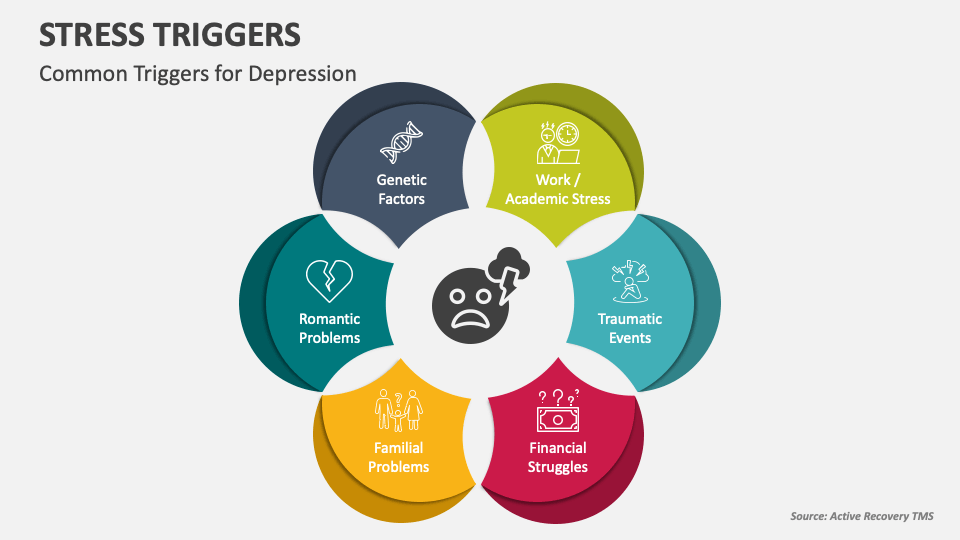
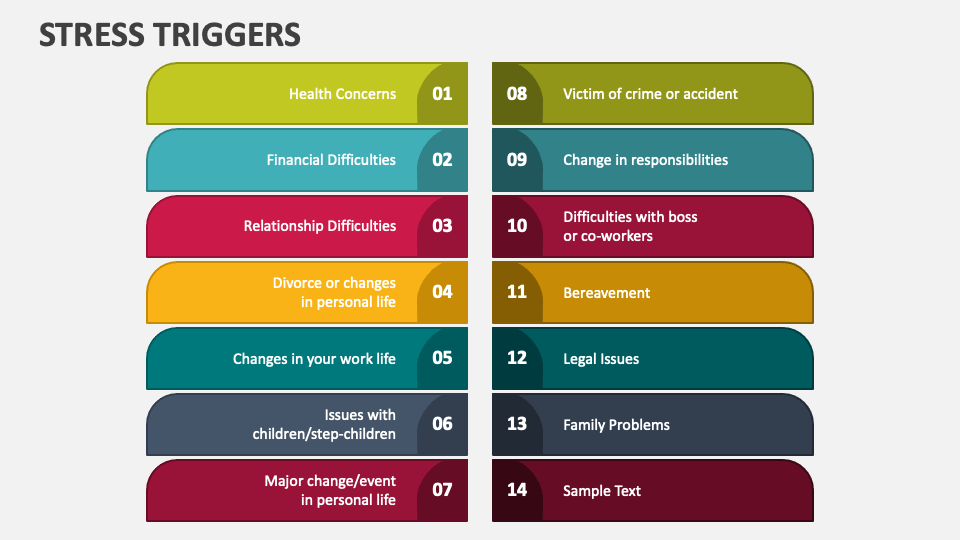
- Stressful Life Events: Events like losing a job, going through a divorce, or facing health issues can raise anxiety.
- Past Trauma: Recognizing and working through past traumas can help individuals manage anxiety.
- Relationships: Difficult or toxic relationships can trigger anxiety.
- Media Consumption: Overexposure to news, social media, or other forms of media can contribute to anxiety.
- Sleep Deprivation: Lack of sleep can exacerbate anxiety symptoms.
- Physical Sensations: Uncomfortable physical sensations, such as pain or discomfort, can trigger anxiety.
- Learned Behavior: People who have learned to react with anxiety in response to certain situations may continue to do so.
- Genetics: Individuals with a family history of anxiety disorders may be more likely to experience anxiety.
- Major Stress: Stressful events, such as moving or starting a new job, can trigger anxiety.
- Health Conditions: Certain health conditions, such as asthma or heart conditions, may create uncomfortable physical sensations and trigger anxiety.
- Intrusive Thoughts: Unwanted and disturbing thoughts can trigger anxiety.
- Physical Sensations: Certain physical sensations, such as rapid heartbeat or shortness of breath, can trigger anxiety.
- Avoidance: Avoiding certain situations or activities can perpetuate anxiety.
- Learned Helplessness: Feeling a lack of control over situations can contribute to anxiety.
- Uncertainty: Uncertainty about the future or unknown outcomes can trigger anxiety.
- Loss of Control: Feeling a loss of control over one's life can trigger anxiety.
How to Identify Your Anxiety Triggers
Identifying your anxiety triggers can take some time and self-reflection. In the meantime, here are 11 strategies you can try to help calm or quiet your anxiety:

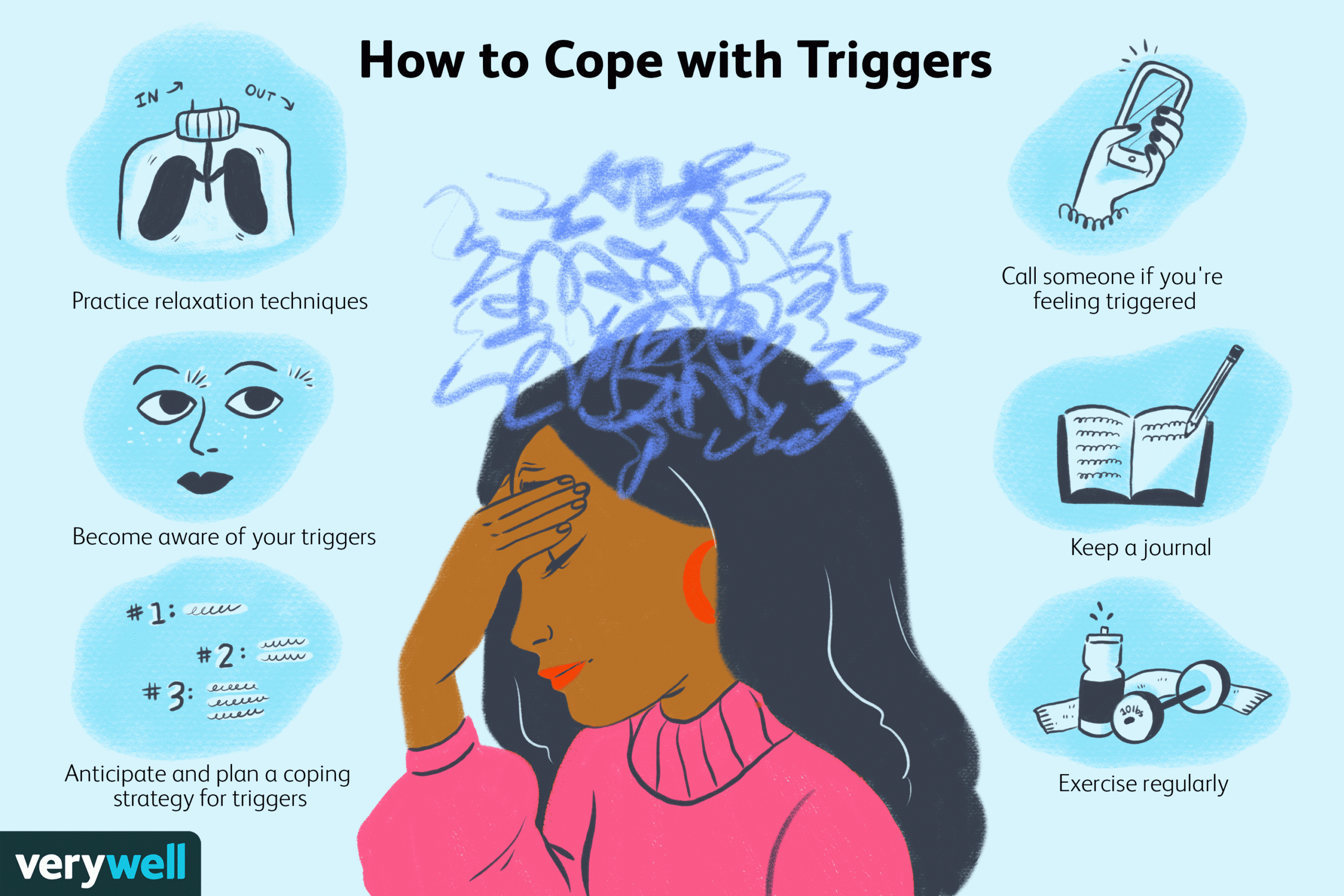
- Keep a journal to track when your anxiety occurs.
- Identify patterns and common themes.
Practice relaxation techniques, such as deep breathing or progressive muscle relaxation. - Engage in regular exercise to help reduce anxiety symptoms.
- Get enough sleep to help regulate mood and reduce anxiety.
- Limit caffeine and nicotine intake, as these can exacerbate anxiety.
- Connect with loved ones for emotional support and social connection.
- Consider seeking professional help from a mental health professional.
Managing Anxiety Triggers
Once you have identified your anxiety triggers, there are several strategies you can implement to manage them:
- Learn relaxation techniques, such as deep breathing or progressive muscle relaxation, to help calm anxiety.
- Engage in regular exercise to help reduce anxiety symptoms.
- Practice mindfulness and self-compassion to reduce feelings of anxiety and self-doubt.
- Seek support from loved ones, friends, or a mental health professional.
- Consider therapy or counseling to work through underlying issues that may be contributing to anxiety.
- Develop a self-care routine to help manage symptoms.
Conclusion
Understanding and managing anxiety triggers is a crucial step toward taking control of your mental health. By identifying your triggers and implementing the strategies discussed in this article, you can reduce the impact of anxiety on your life. Remember, you don't have to face anxiety alone—reaching out for support from loved ones or mental health professionals can make a significant difference in your mental health journey.