Can I Drink Alcohol with Antibiotics? A Guide to Mixed Medications
The age-old question that has puzzled many a pill popper and partygoer: can I drink alcohol with antibiotics? The answer is not as simple as a straightforward yes or no. While some antibiotics may not interact severely with alcohol, others can cause severe side effects, increase toxicity, and even lead to liver damage. In this article, we'll delve into the complex world of antibiotics and alcohol, exploring the interactions between these two commonly consumed substances.The Consequences of Mixing Alcohol and Antibiotics
Increased Risk of Side Effects
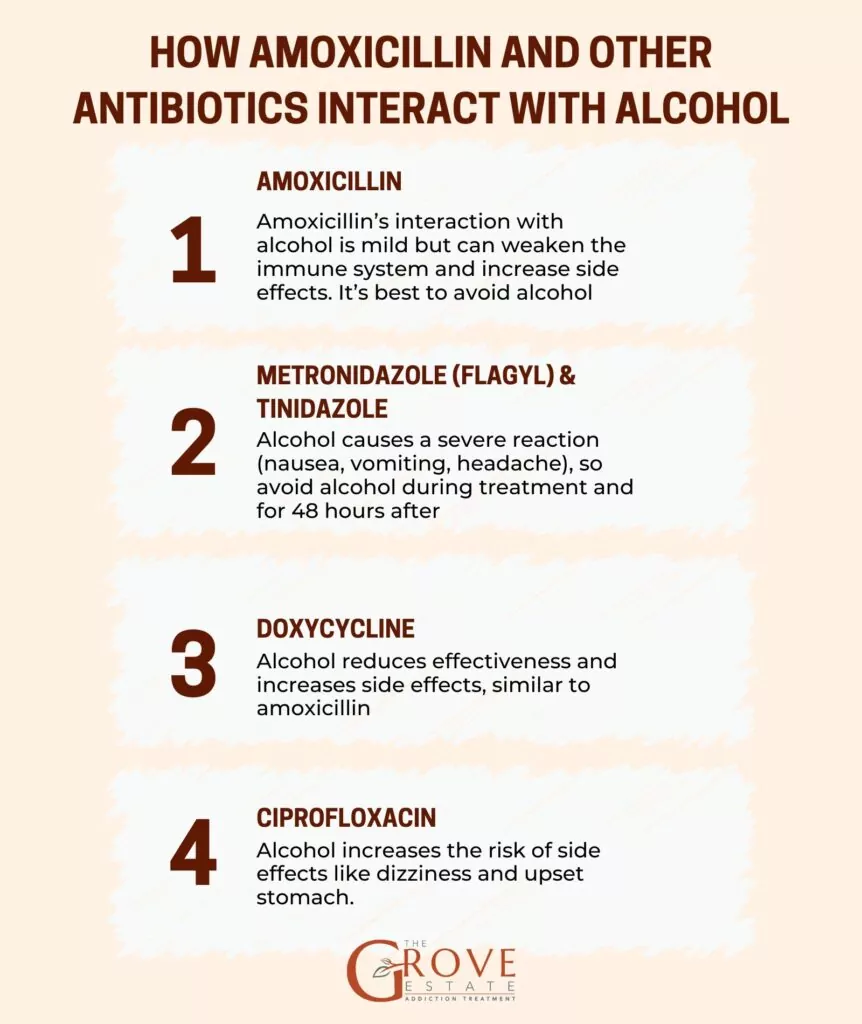
Mixing alcohol and antibiotics can cause some of the same side effects, including stomach upset, dizziness, and drowsiness. These side effects can be exacerbated when combined with alcohol, leading to a more unpleasant experience for the patient. Some antibiotics, such as metronidazole (Flagyl), tinidazole (Tindamax), and sulfamethoxazole-trimethoprim (Bactrim, Septra), should not be mixed with any amount of alcohol. This is because they can cause severe nausea, vomiting, and diarrhea when combined with alcohol.Reduced Effectiveness
Alcohol can also reduce the effectiveness of antibiotics by impacting the body's ability to absorb the medication. This means that the patient may not receive the full benefits of the antibiotic, leading to a prolonged or incomplete recovery.Antibiotic Resistance
When patients mix antibiotics and alcohol, they risk contributing to antibiotic resistance. Excessive use of antibiotics can lead to antibiotic-resistant bacteria, making it more challenging to treat infections in the future.Antibiotics that Interact with Alcohol
Some antibiotics are more prone to interacting with alcohol than others. Below are some examples:- Metronidazole (Flagyl): Avoid drinking any amount of alcohol while taking metronidazole as it can cause severe side effects such as nausea, vomiting, and diarrhea.
- Tinidazole (Tindamax): Like metronidazole, tinidazole should not be mixed with any amount of alcohol due to the risk of severe side effects.
- Sulfamethoxazole-trimethoprim (Bactrim, Septra): This antibiotic combination should be avoided with any amount of alcohol due to the risk of severe side effects, including nausea, vomiting, and diarrhea.
- Linezolid: Avoid drinking alcohol while taking linezolid as it can cause serotonin syndrome, a potentially life-threatening condition.
- Erythromycin: While not all patients will experience severe interactions, some may experience nausea, vomiting, and abdominal pain when combining erythromycin with alcohol.

Safe Antibiotics to Mix with Alcohol
Not all antibiotics interact poorly with alcohol. Some antibiotics that are generally safe to mix with small amounts of alcohol include:- Azithromycin: A small amount of alcohol may not interfere with azithromycin's effectiveness, but it's still best to avoid drinking while taking the medication.
- Delafloxacin: While there's no direct interaction between delafloxacin and alcohol, it's still recommended to limit alcohol consumption to avoid exacerbating side effects like dizziness or stomach upset.
- Paromomycin: This antibiotic is generally safe to mix with small amounts of alcohol, but be aware that excessive drinking can exacerbate side effects.
Conclusion
While some antibiotics can be taken with small amounts of alcohol, it's always best to err on the side of caution. If you're taking antibiotics, it's best to avoid drinking altogether to minimize the risk of side effects and ensure the medication works effectively. However, if you do choose to drink, be aware of the potential interactions and monitor your body's response closely. It's always best to consult with your healthcare provider or pharmacist for personalized advice on mixing antibiotics and alcohol.Key Takeaways
- Some antibiotics, such as metronidazole, tinidazole, and sulfamethoxazole-trimethoprim, should not be mixed with any amount of alcohol.
- Alcohol can reduce the effectiveness of antibiotics and contribute to antibiotic resistance.
- Some antibiotics, such as azithromycin and delafloxacin, may be safer to mix with small amounts of alcohol, but it's still best to avoid drinking while taking the medication.
- Paromomycin is generally safe to mix with small amounts of alcohol, but excessive drinking can exacerbate side effects.