Understanding the Effects of Melatonin and Drinking
In today's fast-paced world, it's not uncommon for individuals to seek out remedies to improve their sleep quality. Melatonin, a hormone naturally produced by the brain, is often taken in supplement form to aid in falling asleep and staying asleep. However, when it comes to mixing melatonin with alcohol, there are certain risks and considerations to be aware of.
The Risks of Mixing Melatonin and Drinking
Experts recommend against combining alcohol and melatonin supplements due to various risks and little chance of benefit. Consuming alcohol can disrupt sleep patterns and reduce the body's natural melatonin production. On the other hand, taking melatonin supplements after drinking may increase side effects such as dizziness, drowsiness, and trouble thinking clearly. While melatonin supplements are generally considered safe, mixing them with alcohol can amplify these risks.
- Increased dizziness and anxiety
- Trouble thinking clearly
- Disrupted sleep patterns
- Reduced natural melatonin production
Why Melatonin Doesn't Counteract Drinking
Research suggests that melatonin supplements do not counteract the sleep-disturbing effects of alcohol. In fact, this combination should be avoided altogether. Instead, focusing on establishing a regular sleep schedule, creating a relaxing bedtime routine, and avoiding screens before bed can help improve sleep quality.
Alternatives to Mixing Melatonin and Drinking
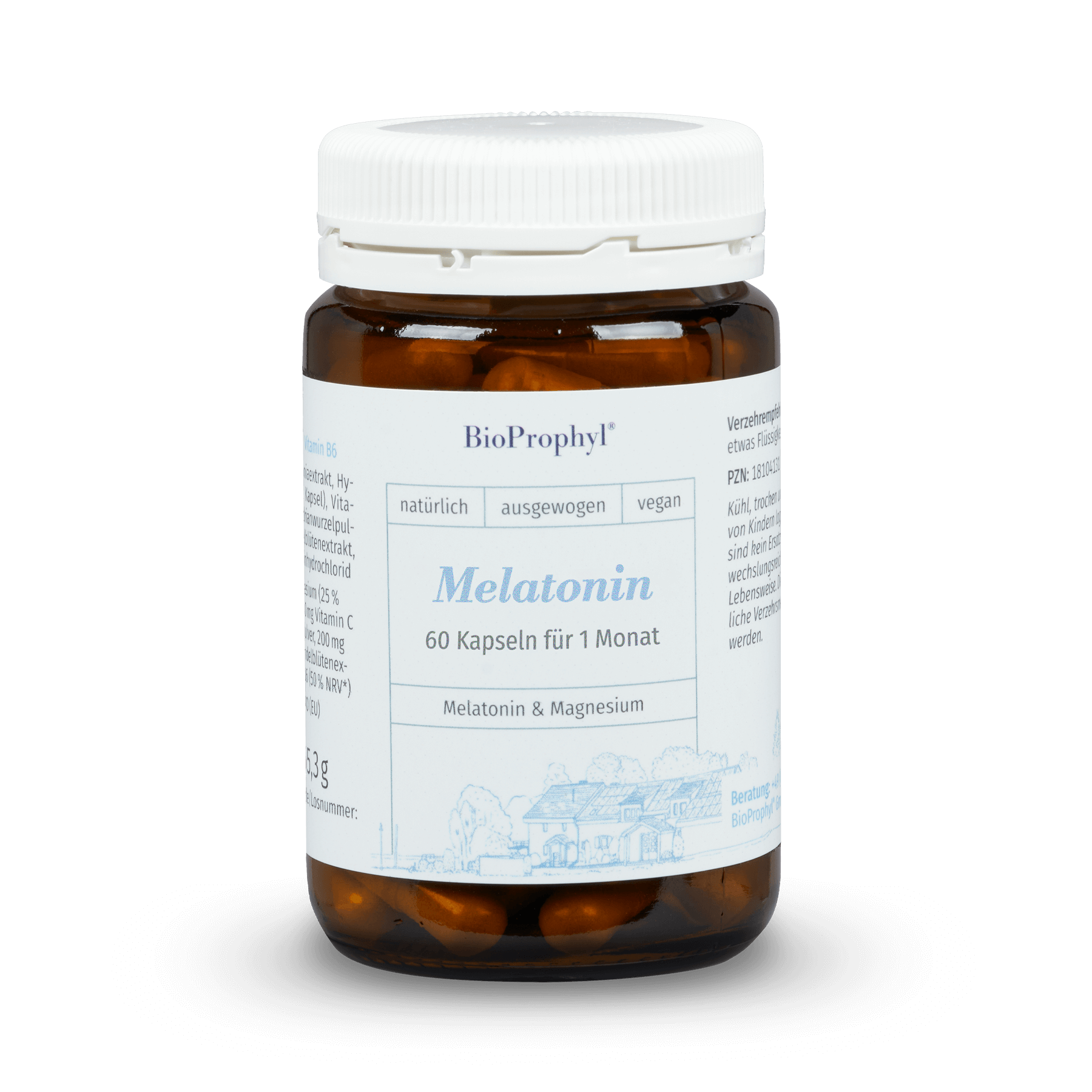
For those struggling with sleep disorders or looking for a natural sleep aid, melatonin supplements can be a viable option. However, it's essential to consult with a healthcare professional before taking melatonin, especially for those with chronic sleep issues, as they can recommend the best course of action and discuss potential side effects.
When using melatonin supplements, consider the following:

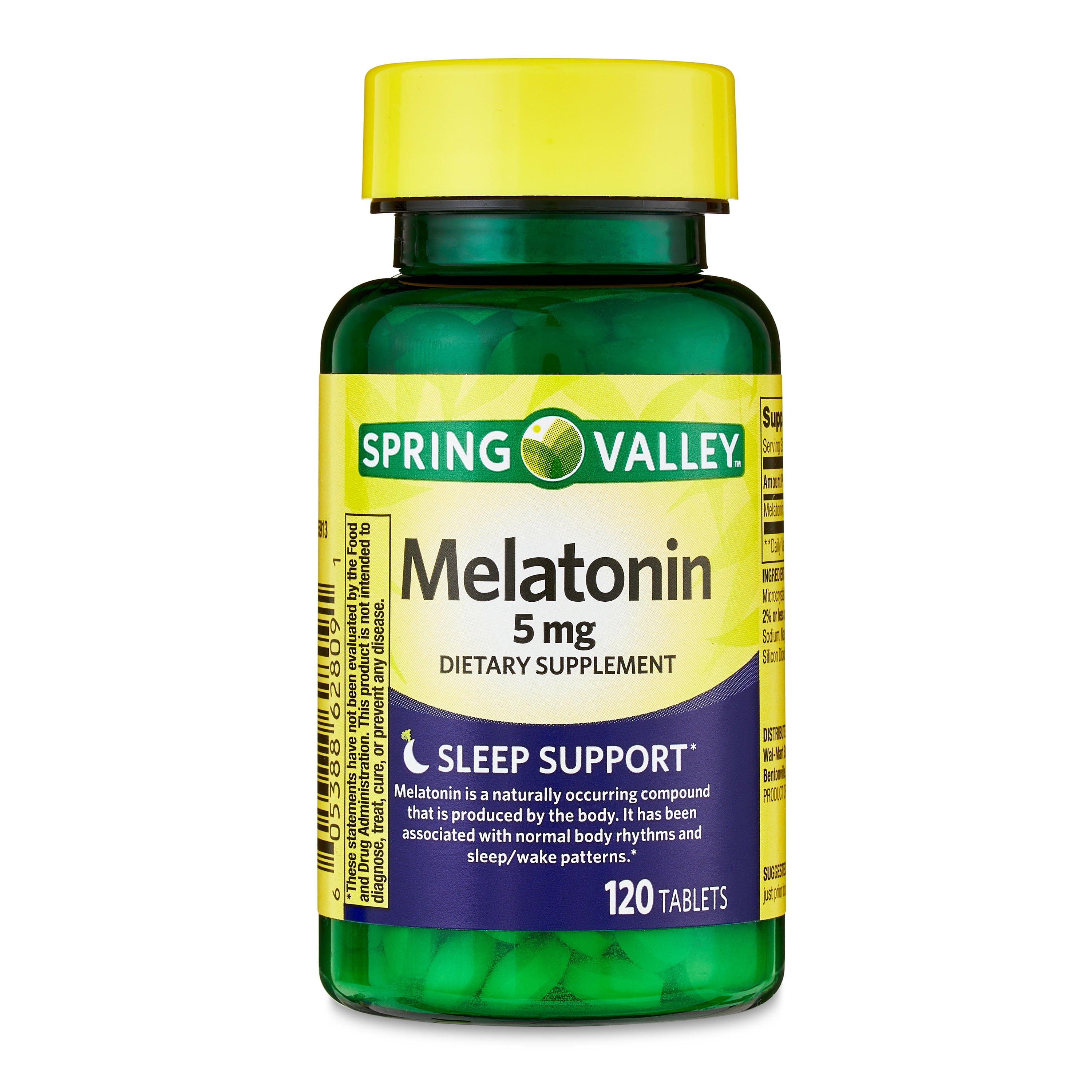
- Start with a low dose (1-5 milligrams) and adjust as needed.
- Take melatonin 30 minutes before bedtime, as directed.
- Be aware of potential interactions with other medications or supplements.
- Consult with a healthcare professional for personalized guidance.
Safe Alternatives for Melatonin Production
For those who prefer to avoid melatonin supplements, indulge in melatonin-rich foods like tart cherry juice, cherries, rice, and walnuts. These foods contain natural melatonin, which can help regulate sleep patterns. Furthermore, establishing a consistent sleep routine, reducing stress levels, and creating a relaxing sleep environment can also promote better sleep quality.
Conclusion
While melatonin supplements can be a helpful aid for sleep, mixing them with alcohol can exacerbate the risks and offer little benefit. By understanding the effects of melatonin and drinking, individuals can make informed decisions about their sleep health and avoid potential complications. By following safe alternatives, such as incorporating melatonin-rich foods into their diet and maintaining a healthy sleep routine, individuals can promote better sleep quality and overall well-being.
Additional Tips and Reminders
For optimal sleep and safety, remember to:
- Avoid drinking alcohol while taking melatonin.
- Consult with a healthcare professional before taking melatonin, especially with chronic sleep issues.
- Start with a low dose of melatonin (1-5 milligrams) and adjust as needed.
- Take melatonin 30 minutes before bedtime, as directed.
- Be aware of potential interactions with other medications or supplements.
- Discuss personalized guidance with your healthcare professional.