Dopamine Fasting: A Beginner's Guide to Resetting Your Brain's Pleasure Response
Have you heard of "dopamine fasting," a trend that promises to help you reset your brain's pleasure response? While it may sound like a straightforward concept, the reality is more complex. In this article, we'll explore what dopamine fasting is, its benefits, and how to incorporate it into your daily life.
What is Dopamine Fasting?
Dr. Cameron Sepah, a California psychiatrist, coined the term "dopamine fasting" to describe a practice that involves temporarily abstaining from overstimulating activities to reset the brain's reward system. The idea is not to eliminate dopamine, a neurotransmitter associated with pleasure, but to reduce its overproduction and rebalance it.
The Science Behind Dopamine Fasting
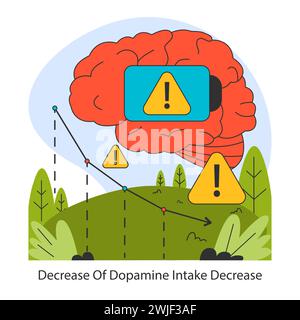
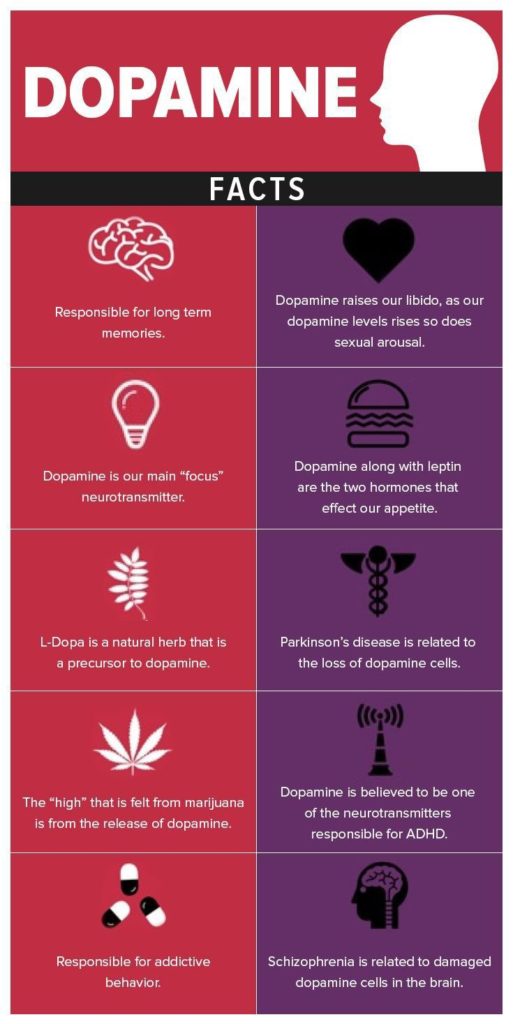
Dopamine plays a crucial role in the brain's reward system, motivating us to engage in activities that provide pleasure or satisfaction. However, excessive exposure to stimuli that trigger dopamine release, such as social media, video games, or junk food, can lead to dependency and contribute to mental health issues.
By abstaining from these overstimulating activities, dopamine fasting aims to reduce the brain's reliance on instant gratification and allow it to appreciate simpler, more meaningful experiences.
Benefits of Dopamine Fasting
- Improved mental clarity and focus
- Reduced anxiety and stress
- Increased motivation and productivity
- Better emotional regulation and resilience
- Enhanced appreciation for life's simple pleasures
How to Practice Dopamine Fasting
While there is no one-size-fits-all approach to dopamine fasting, here are some tips to get you started:
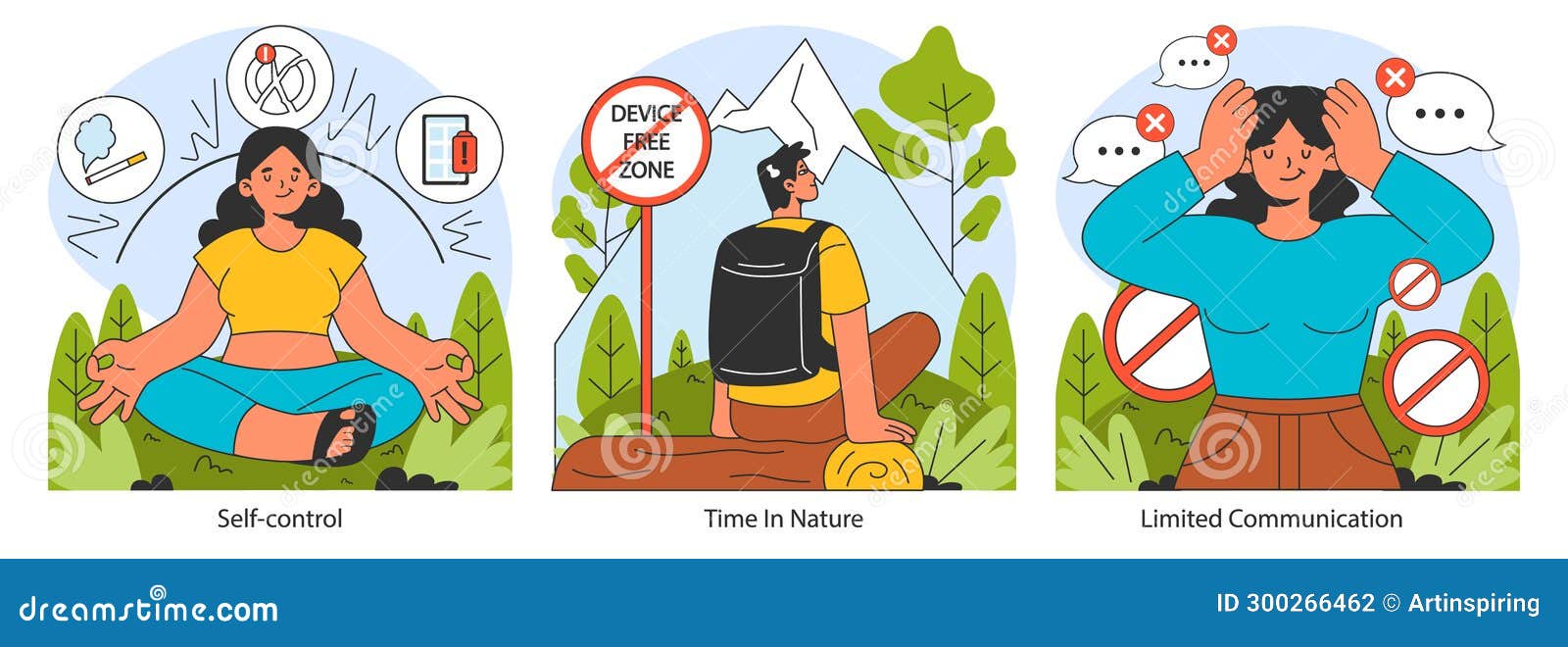
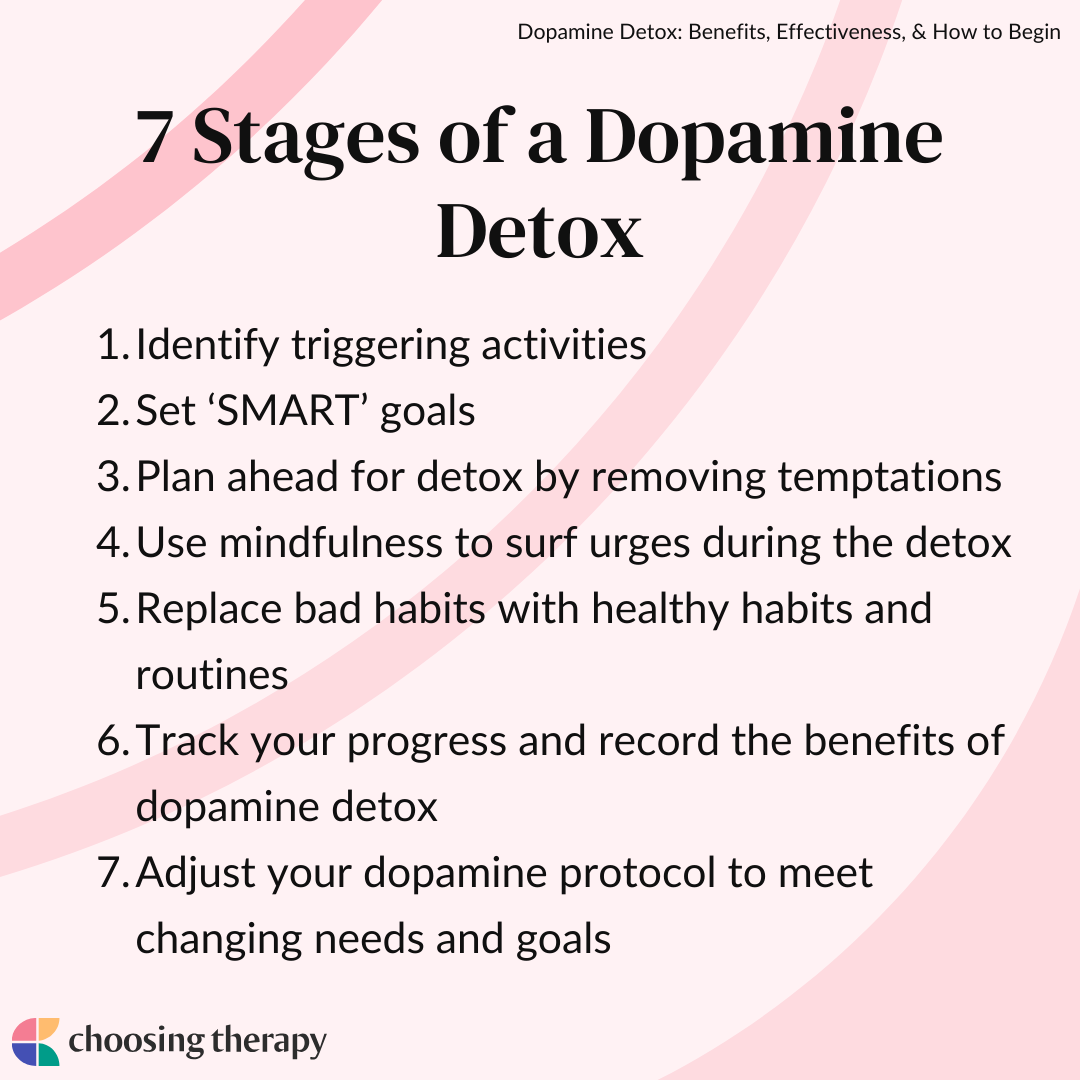
- Set a goal for a period of abstention, e.g., 24 hours or 3 days
- Identify the activities you want to abstain from and create strategies to replace them
- Remove temptations, such as deleting social media apps or turning off notifications
- Engage in activities that promote calmness and relaxation, like meditation, yoga, or reading
- Seek support from friends, family, or a therapist if needed
Overcoming Common Misconceptions
Some people assume that dopamine fasting involves eliminating dopamine altogether, but that's not the case. The goal is to reduce overstimulation and allow the brain to rebalance its natural reward system.
Another misconception is that dopamine fasting is a quick fix for mental health issues. While it may offer benefits, it's essential to consult with a healthcare professional to address underlying conditions.
The Importance of Moderation
Remember that complete abstention from all pleasurable activities is not feasible or healthy. Find a balance between moderation and indulgence to maintain a healthy lifestyle.
Conclusion
Dopamine Fasting: A Tool for Rebalancing Your Brain's Reward System
Dopamine fasting is a practical approach to promoting mental well-being, but it's essential to approach it with a nuanced understanding of the concept. By embracing this practice, you can rebalance your brain's reward system, reduce overstimulation, and cultivate a more positive relationship with pleasure and life's simple joys.
Start Your Dopamine Fasting Journey Today
Begin by setting realistic goals, removing temptations, and engaging in calming activities. As you progress, you'll develop a better understanding of your brain's reward system and learn to appreciate the beauty of simplicity.