Eliminate Phubbing in Social Media: Understanding the Harm and Finding Solutions
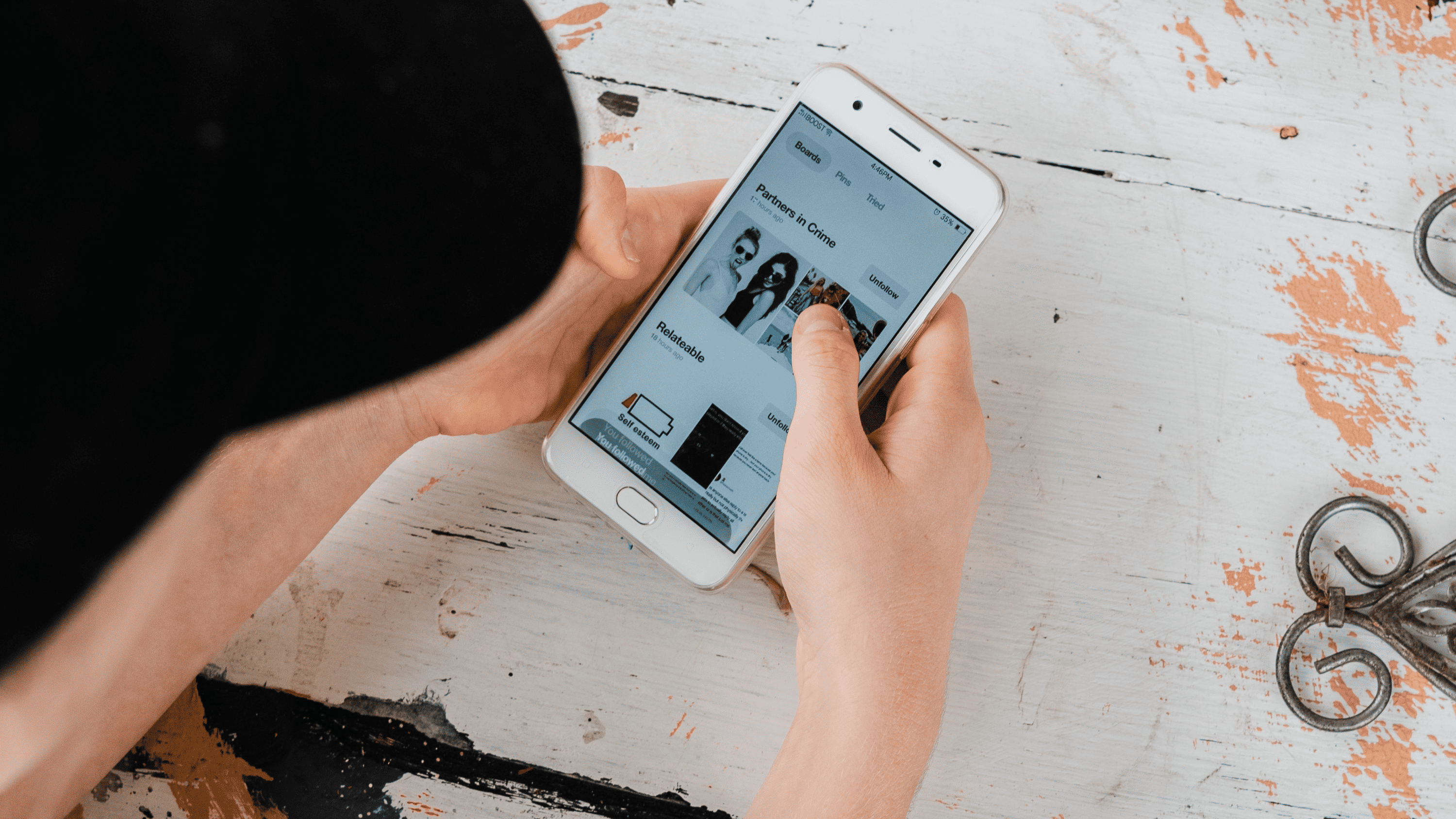
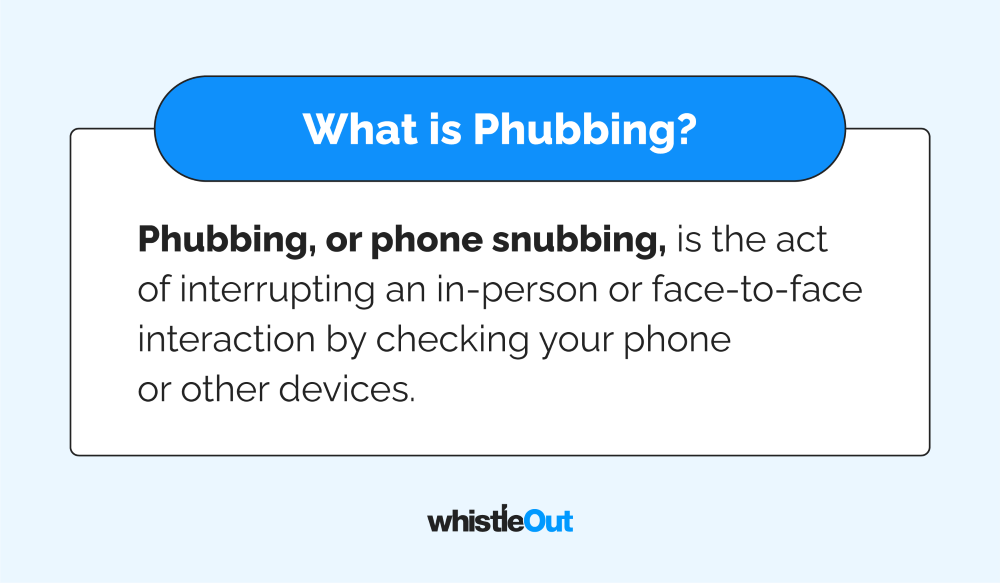
Phubbing, a term that refers to the act of ignoring someone in favor of one's phone, has become a widespread phenomenon in today's digital age. This behavior not only affects relationships and mental health but also has significant societal implications. In this article, we will delve into the impact of phubbing, explore its causes, and discuss practical strategies to eliminate this behavior in social media.
The Impact of Phubbing
Phubbing can manifest in various social contexts, including family gatherings, professional meetings, and romantic relationships. This behavior can lead to a breakdown in meaningful communication, creating a chasm between individuals and eroding trust, affection, and real conversation. Studies have shown that individuals who engage in phubbing may experience a sense of social exclusion, which can lead to a heightened need for attention and result in individuals attaching to social media in hopes of regaining a sense of inclusion.
The Causes of Phubbing
Phubbing is driven by a variety of factors, including:
- Smartphone addiction: The constant availability of social media and other online platforms can lead to a state of constant connectedness, making it difficult for individuals to disengage.
- Fear of missing out (FOMO): The pressure to stay connected and be constantly available can contribute to the anxiety of missing out on social media updates and events.
- Social media influencers: The influence of social media influencers and celebrities can create a sense of social competition, leading individuals to compare themselves unfavorably and become disconnected from real-life relationships.

Strategies to Eliminate Phubbing in Social Media
To eliminate phubbing in social media, individuals can try the following strategies:
- Set boundaries: Establish clear boundaries around smartphone use, such as designating phone-free zones or times, to promote healthier and more meaningful social interactions.
- Practice mindfulness: Be present in the moment and focus on the people around you, rather than diverting attention to your phone.
- Engage in activities that promote meaningful connection: Participate in shared activities, join clubs or groups that align with your interests, or volunteer to build stronger relationships and reduce the need for social media validation.
- Take breaks from social media: Regularly take breaks from social media to reduce its influence and increase opportunities for face-to-face interactions.
- Model healthy phone use: As a role model, demonstrate responsible phone use behaviors to children and adolescents to help them develop more balanced and meaningful social relationships.
Conclusion
Phubbing is a pervasive issue in the digital age, affecting relationships, mental health, and societal dynamics. By understanding the causes and impact of phubbing, individuals can take practical steps to eliminate this behavior and create healthier, more meaningful social connections in social media. By setting boundaries, practicing mindfulness, engaging in activities that promote meaningful connection, taking breaks from social media, and modeling healthy phone use, we can break free from the cycle of phubbing and cultivate stronger, more fulfilling relationships in the process.