Eating Spicy Food in Lactation Period: Separating Fact from Fiction
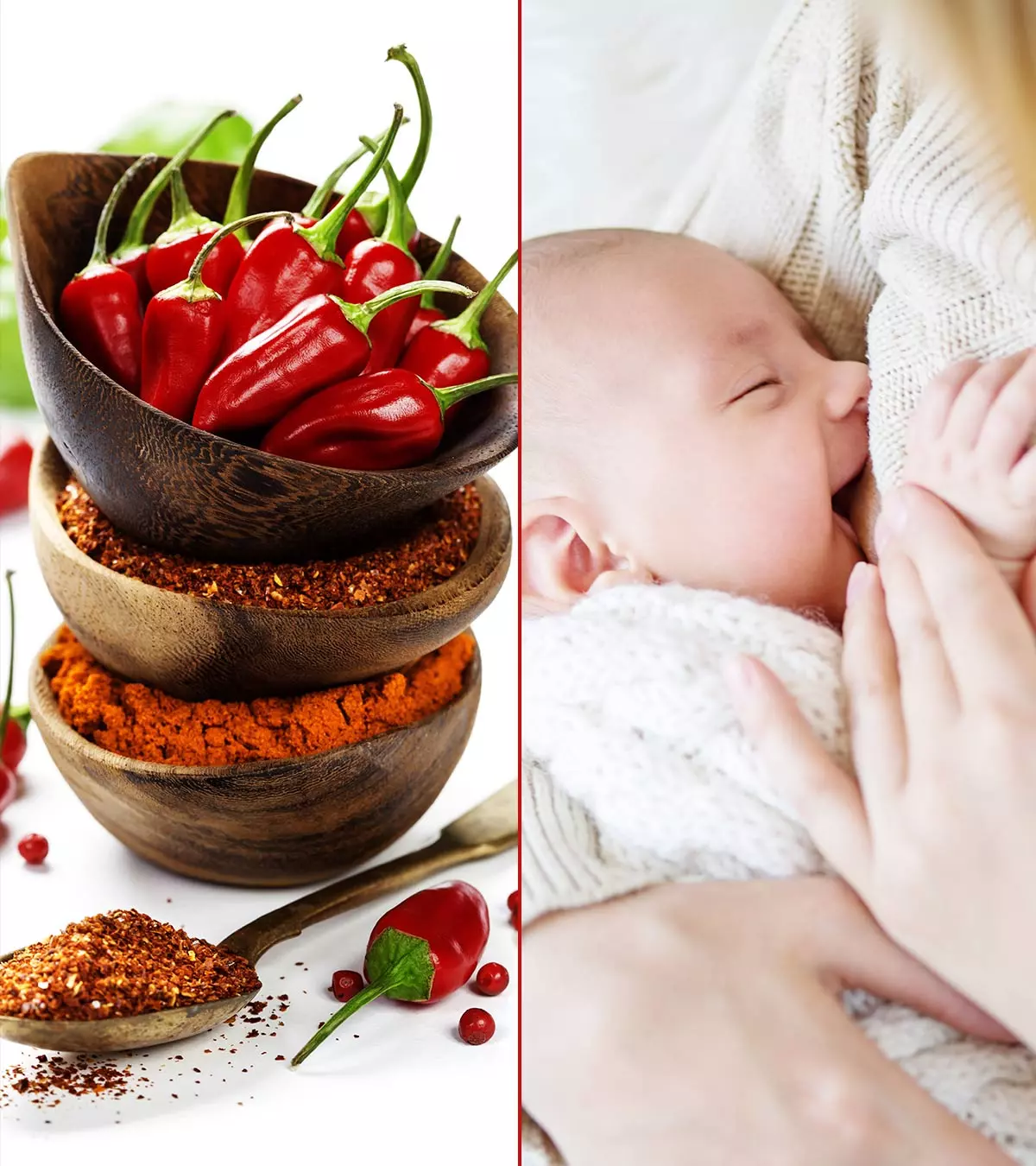
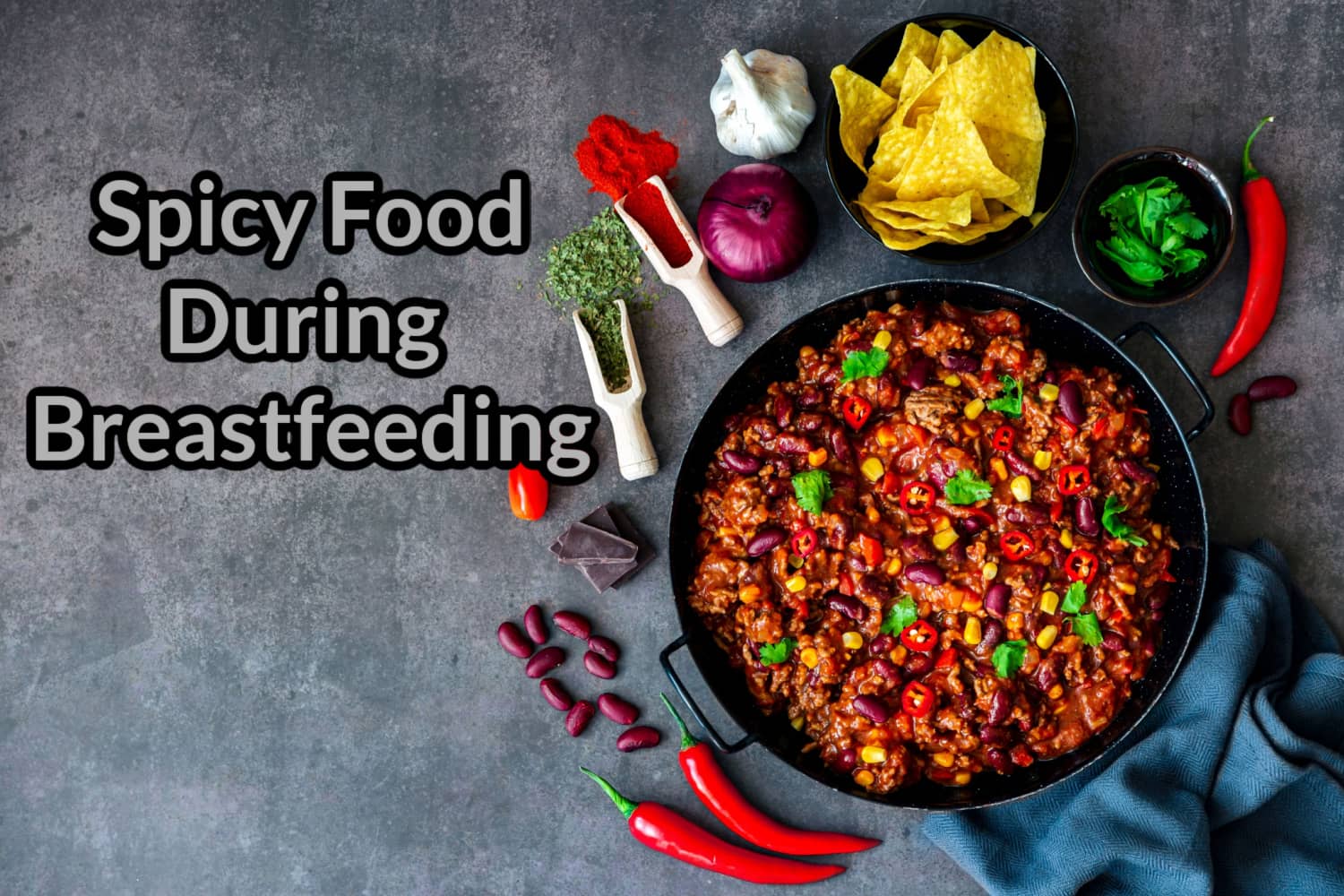
As a breastfeeding mother, it's natural to have concerns about what you eat and how it may affect your baby. One of the most common questions is: "Can I eat spicy food while breastfeeding?" The answer is a resounding yes, but with some caveats.
Debunking the Myths
For generations, many breastfeeding mothers in various parts of the world have enjoyed spicy food as a regular part of their diet. Despite this, there's a lingering myth that eating spicy food will harm your baby. But is this really true?
- Spicy food is perfectly safe to eat while breastfeeding.
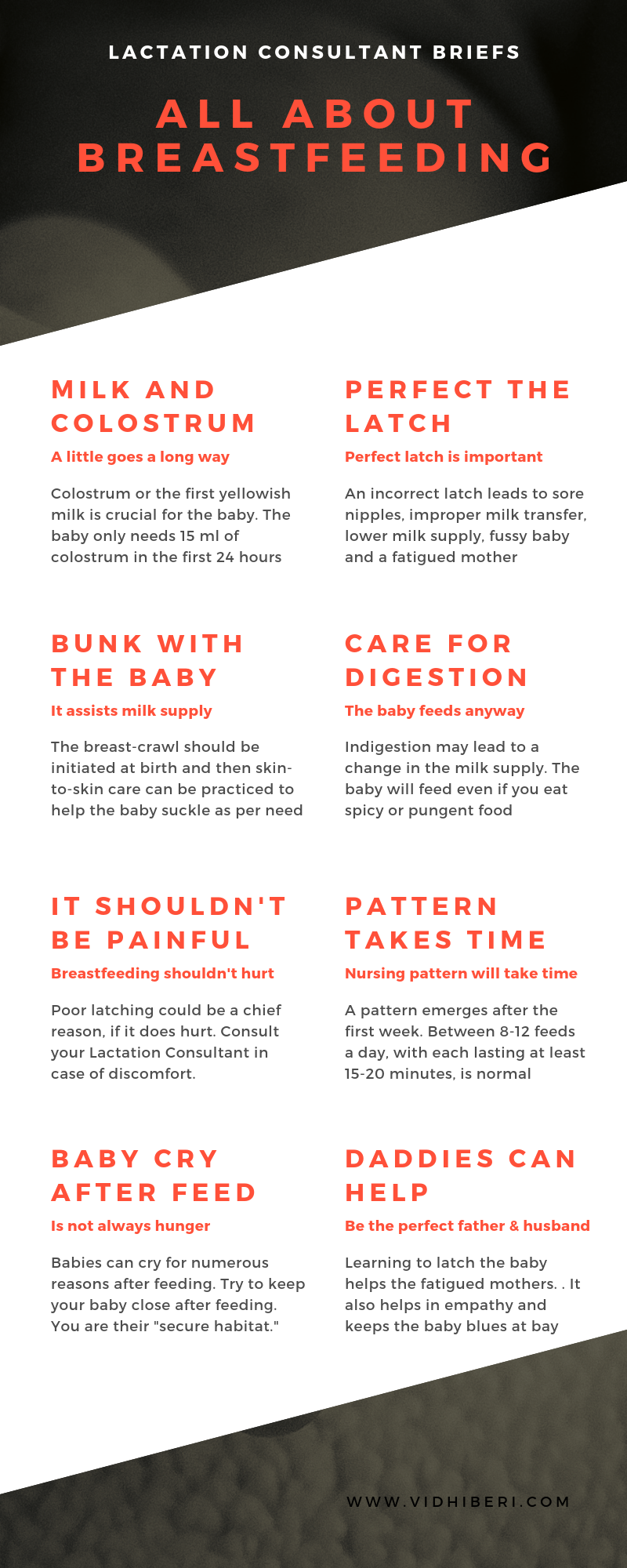
- Eating spicy food won't make your breastfed baby fussy after feeding.
- There's no evidence that spicy food causes colic, gas, diarrhea, or rashes in babies.
The Truth About Flavor Transfer
Many breastfeeding mothers worry that their baby will react to the flavors in their breast milk. But the truth is that breast milk is naturally produced and filtered by the body, and it doesn't turn "spicy" just because you eat spicy food.
In fact, if you force yourself to eat very bland food, you may not eat properly or feel satisfied, which can affect your milk supply. So, it's better to enjoy a variety of flavors, including spicy ones, as part of a balanced diet.
How Flavors Affect Breast Milk
While the compounds that make food spicy, like capsaicin, are broken down during digestion, tiny amounts may enter your breast milk. However, these amounts are generally not enough to cause digestive upset in your baby.
Strong flavors can change the taste of breast milk, which is normal and may even be beneficial. In fact, introducing your baby to a diverse range of flavors during breastfeeding can help shape their palate and food preferences later in life.
Expert Tips and Advice
As a breastfeeding mother, it's essential to remember that your diet affects not only your health but also your baby's. Here are some expert tips to keep in mind:
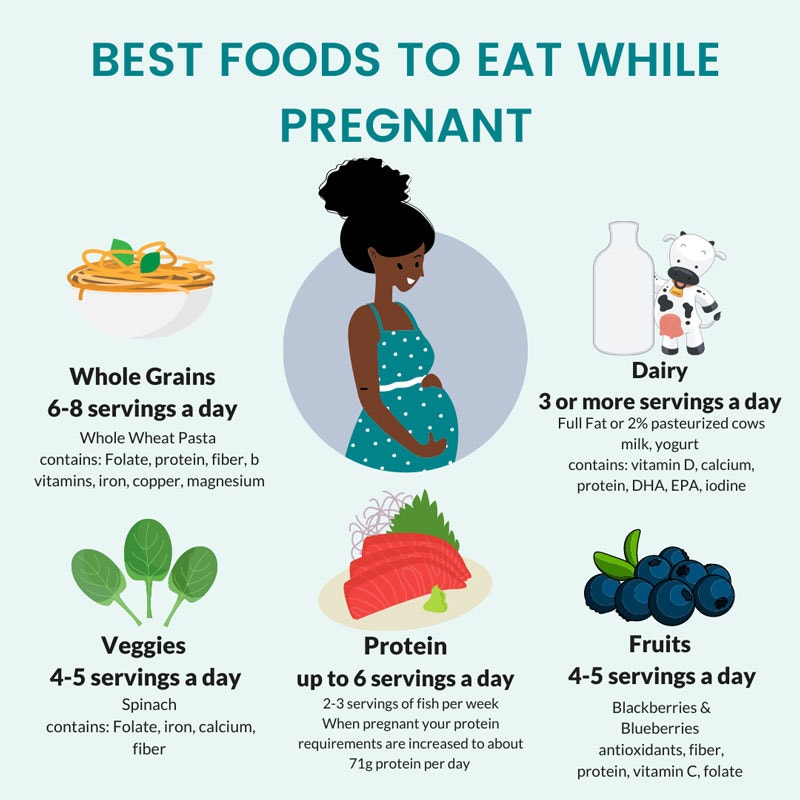
- Eat a balanced diet that includes a variety of whole foods, such as fruits, vegetables, whole grains, and lean proteins.
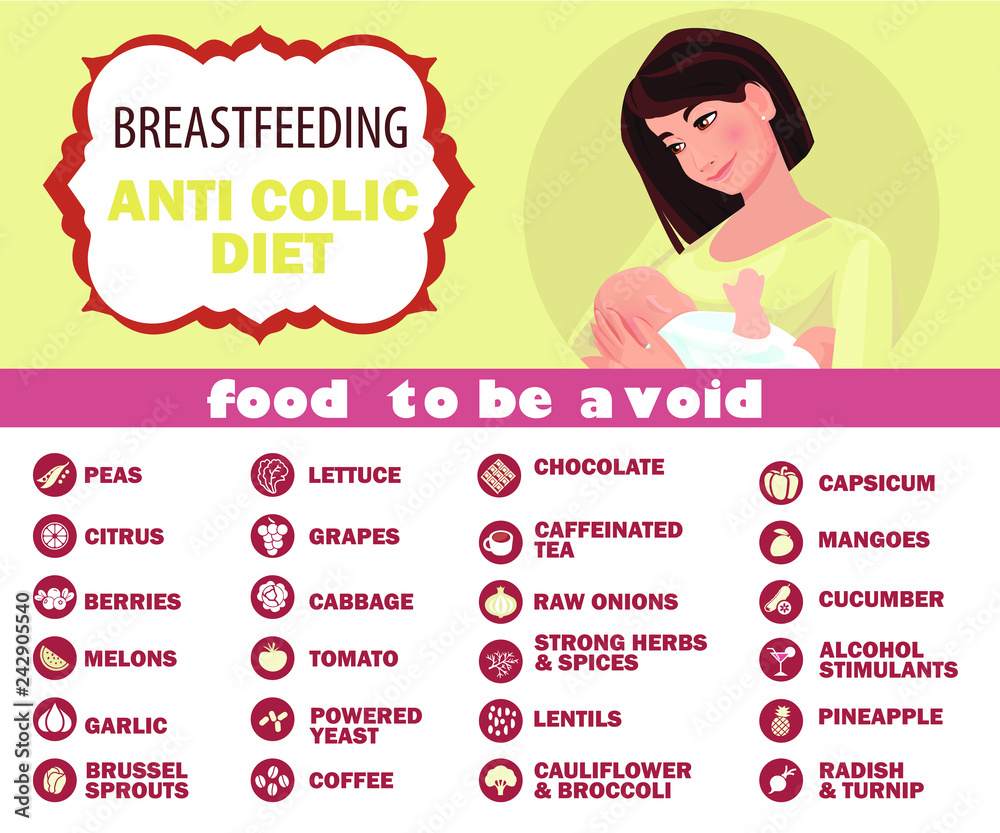
- Limit or avoid foods that are high in artificial sweeteners, fish high in mercury, alcohol, and caffeine.
- Enjoy spicy food in moderation and pay attention to your baby's reactions. If you notice any adverse effects, consult with a healthcare professional or a lactation consultant.
- Keep track of your baby's reactions and monitor their symptoms using a symptoms log or tracking tools.
Conclusion
Eating spicy food while breastfeeding is generally safe and can even offer benefits for your baby's palate development. While it's essential to be mindful of your diet and monitor your baby's reactions, there's no need to worry excessively about eating spicy food.
By understanding the facts and debunking the myths, you can enjoy your favorite spicy dishes with confidence and provide your baby with a diverse range of flavors that will benefit their long-term relationship with food.
Final Thoughts
As a breastfeeding mother, it's essential to remember that your diet affects not only your health but also your baby's. While eating spicy food is generally safe, it's crucial to be mindful of your diet and monitor your baby's reactions.
By embracing a balanced and diverse diet that includes spicy food, you can provide your baby with a strong foundation for a healthy relationship with food and a lifelong love of flavors.