Expired Erythromycin Ophthalmic: What You Need to Know
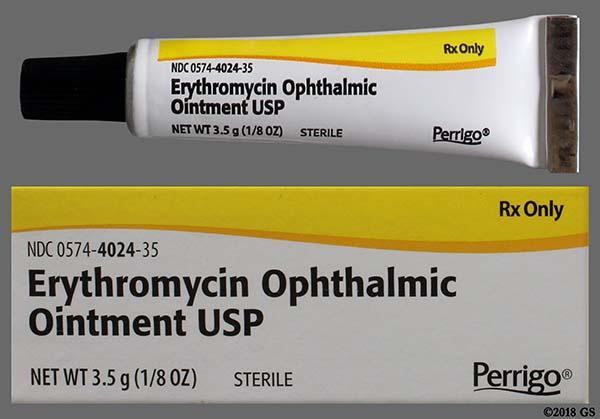
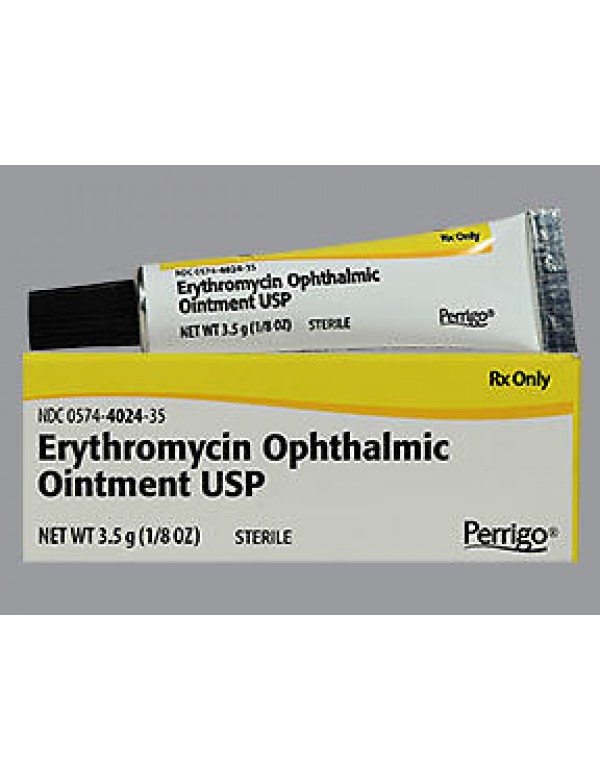
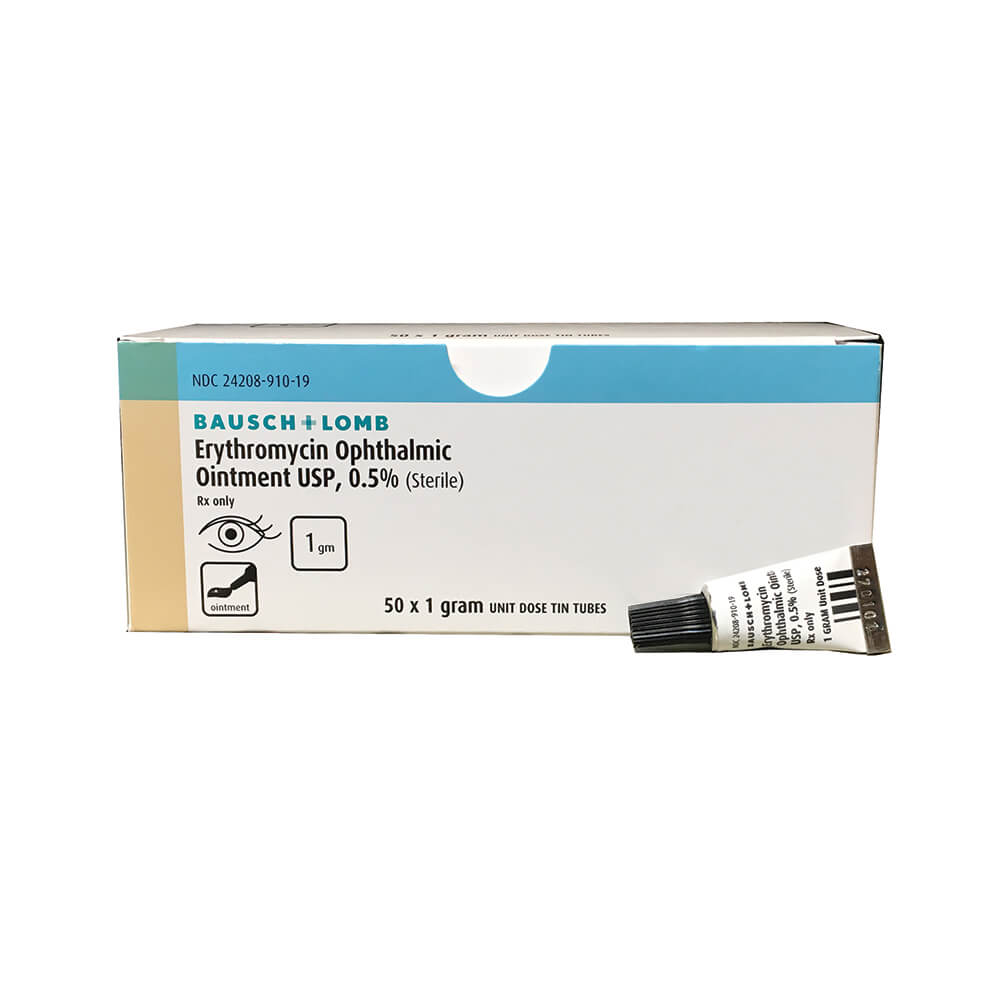
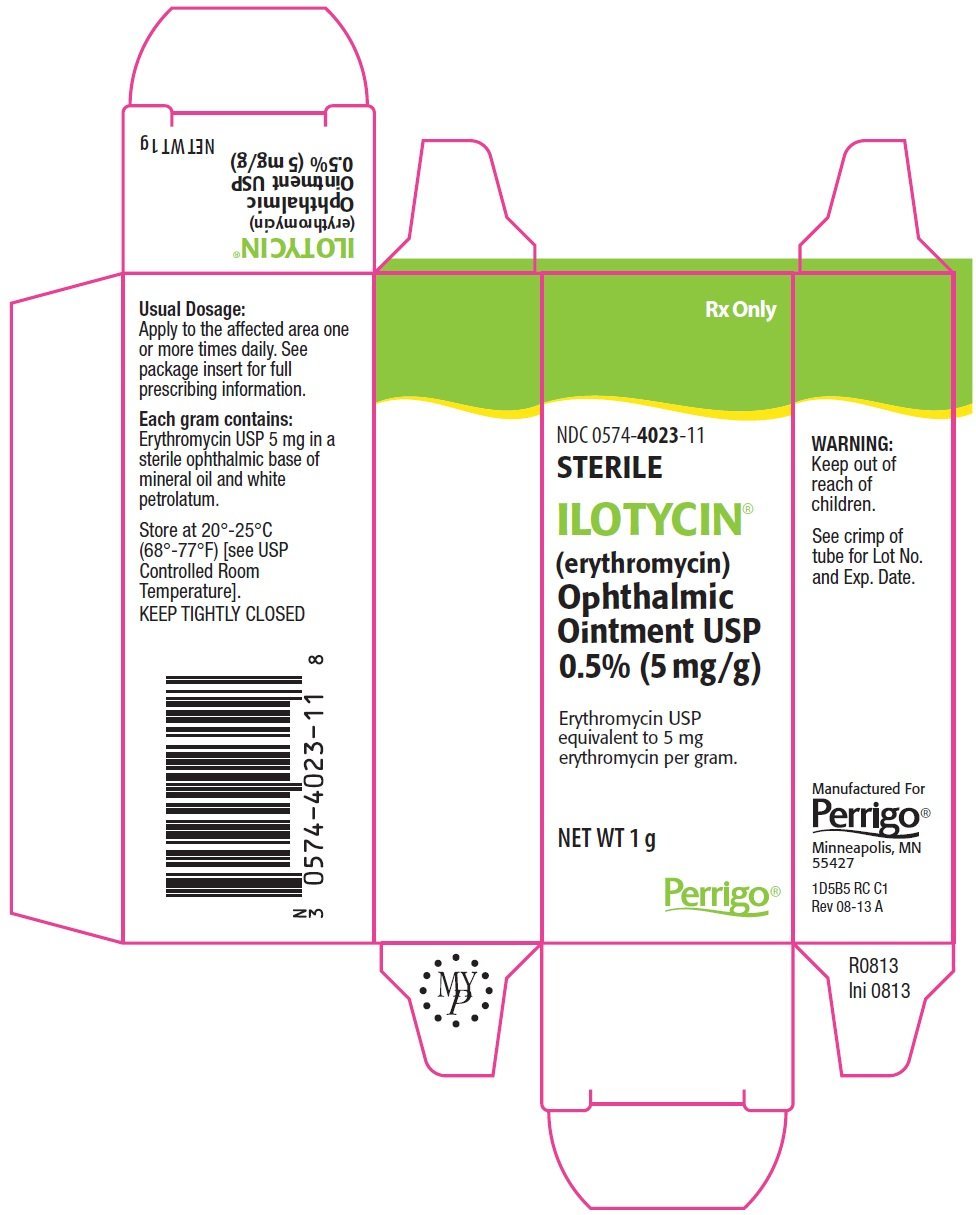
Erythromycin ophthalmic is a prescription antibiotic ointment used to treat bacterial eye infections, including conjunctivitis (pink eye) and other infections. While it is essential to use the medication as directed, many people are unaware of the importance of its expiration date. Expired erythromycin ophthalmic is a common concern, but what does it mean, and how can you ensure you're using the correct medication?
Does Erythromycin Ophthalmic Expire?
Yes, erythromycin ophthalmic does expire, just like any other medication. The shelf life of erythromycin ophthalmic is typically around two years from the date of manufacture. Manufacturers provide storage recommendations and stability information in the packaging or product insert, which helps determine the beyond-use date or shortened expiration date for the preparation. This date is crucial to ensure the medication remains effective and safe to use.
Consequences of Using Expired Erythromycin Ophthalmic
- The effectiveness of expired medication may decline, making it less effective in treating eye infections.
- Using expired medications can lead to contamination, particularly if the product has been opened.
- Expired medications may not be as potent, potentially leading to treatment failure or the need for additional medication.
- Applying expired ointment may cause eye irritation or other side effects.
Signs of Expired Erythromycin Ophthalmic
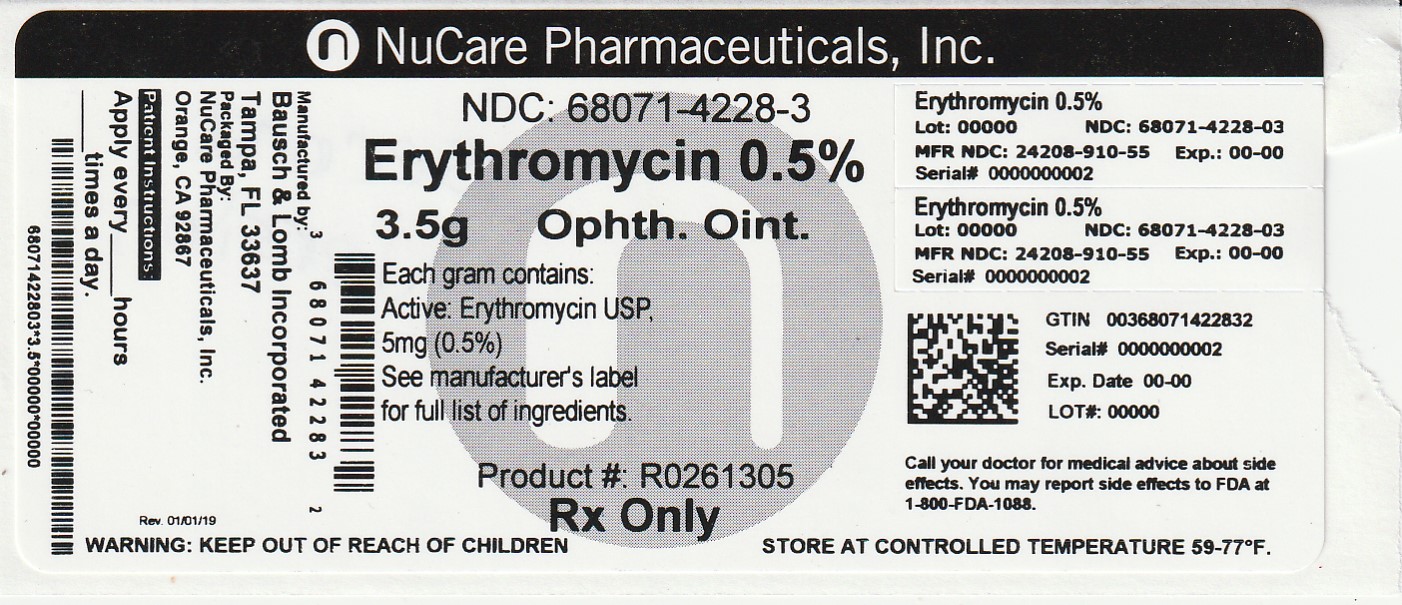
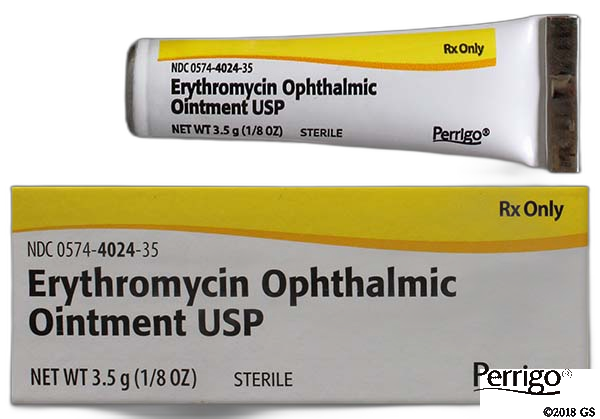
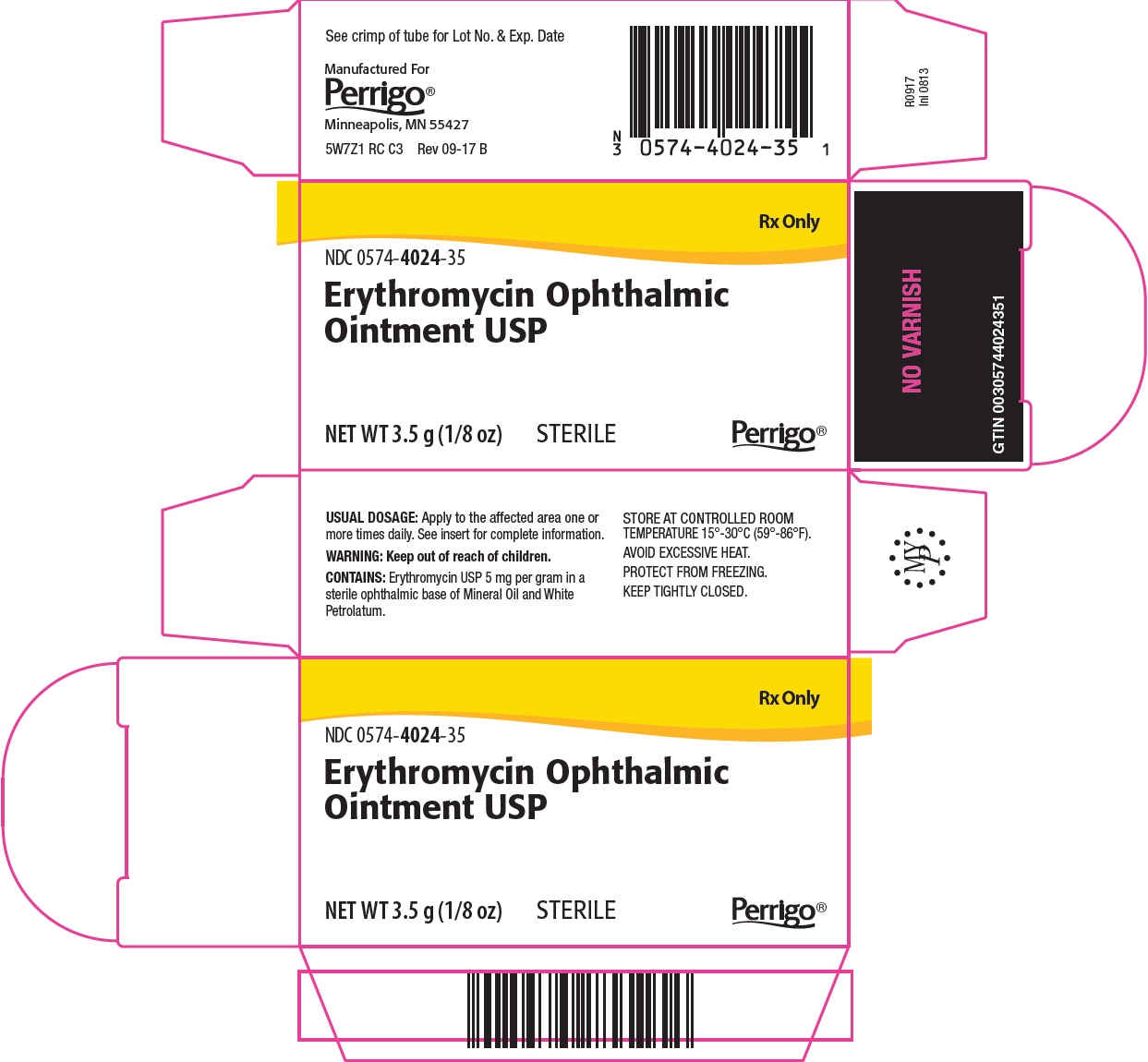
Erythromycin ophthalmic's expiration date is usually printed on the packaging or tube. If the medication shows any of the following signs, it may have expired and should be replaced:
- Discoloration
- Unusual odor
- Change in consistency
What to Do with Expired Erythromycin Ophthalmic
Dispose of expired erythromycin ophthalmic safely and properly. Do not save or reuse the medication. If you are unsure about the expiration date or the safety of your medication, consult with your healthcare provider or pharmacist for guidance.
Alternatives to Expired Erythromycin Ophthalmic
If you're experiencing eye infections or eye discomfort, consult with your healthcare provider for the best course of treatment. They can recommend alternative antibiotics or provide guidance on the most effective treatment options for your specific needs.
Conclusion
Expired erythromycin ophthalmic poses significant risks, including reduced effectiveness and potential for contamination. It is essential to check the expiration date and use the medication as directed to avoid any complications. By understanding the importance of expiration dates and proper storage, you can ensure the continued effectiveness and safety of your eye care medications.