Unlocking the Power of Gamification: The Art of Making Learning Engaging
Gamification has revolutionized the way we approach learning and engagement. By leveraging the principles of game design, gamification has made it possible to turn mundane tasks into enjoyable experiences that foster participation and motivation. In this article, we will delve into the concept of gamification, its various applications, and the benefits of incorporating game-like elements into everyday activities.What is Gamification?
Gamification is the process of adding game-like elements to non-game contexts to encourage participation and engagement. According to theorists, gamification works by leveraging human desires for socializing, learning, mastery, competition, achievement, status, self-expression, altruism, and closure. By framing a situation as a game, gamification taps into our natural response to challenges and rewards.How Does Gamification Work?
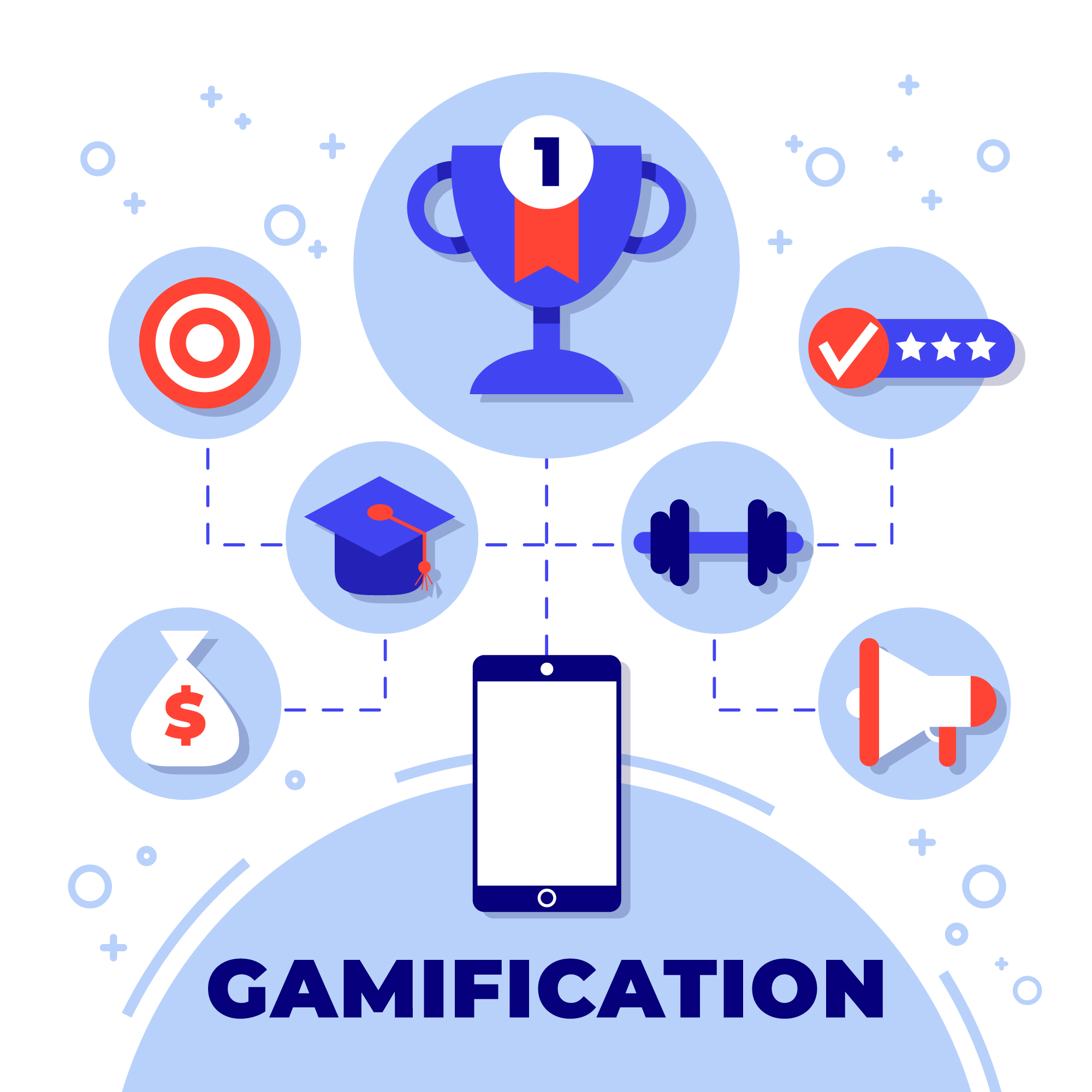
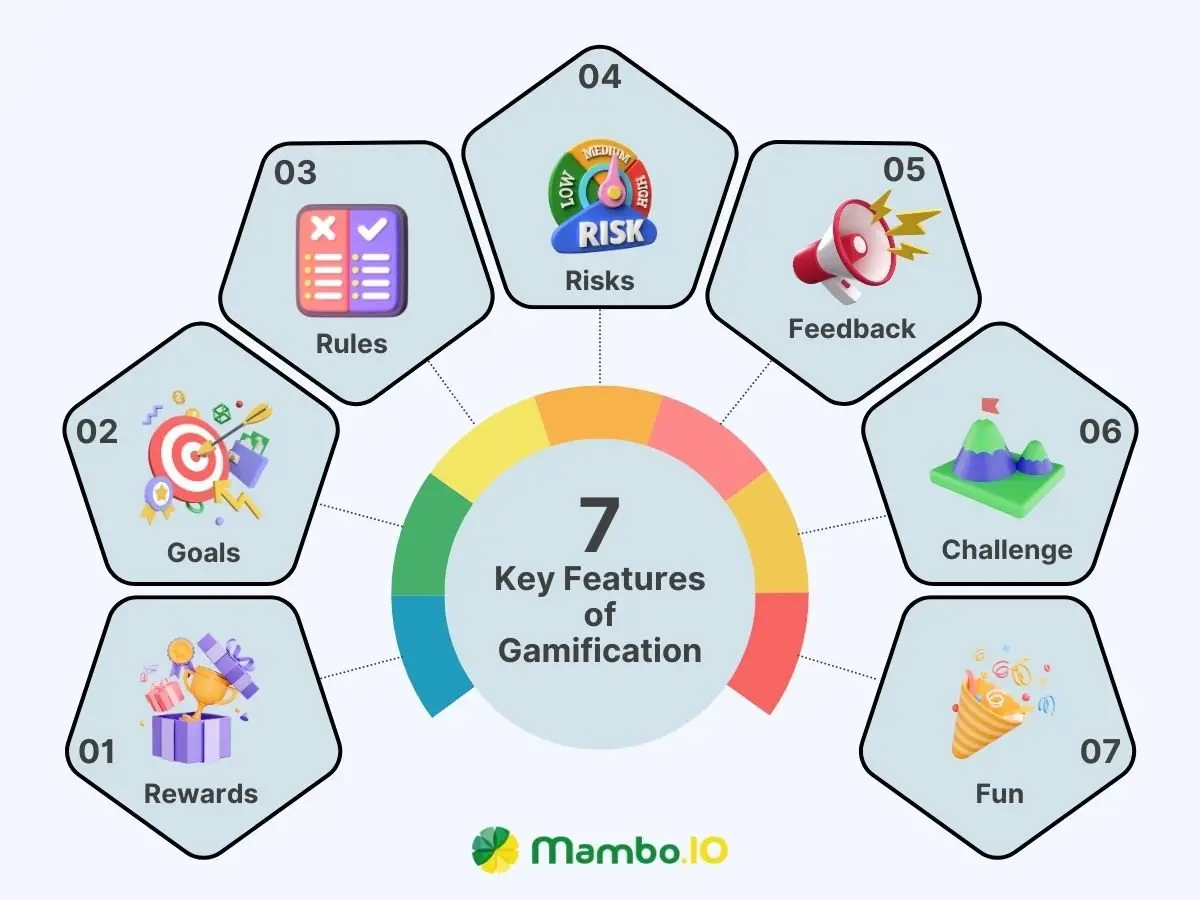
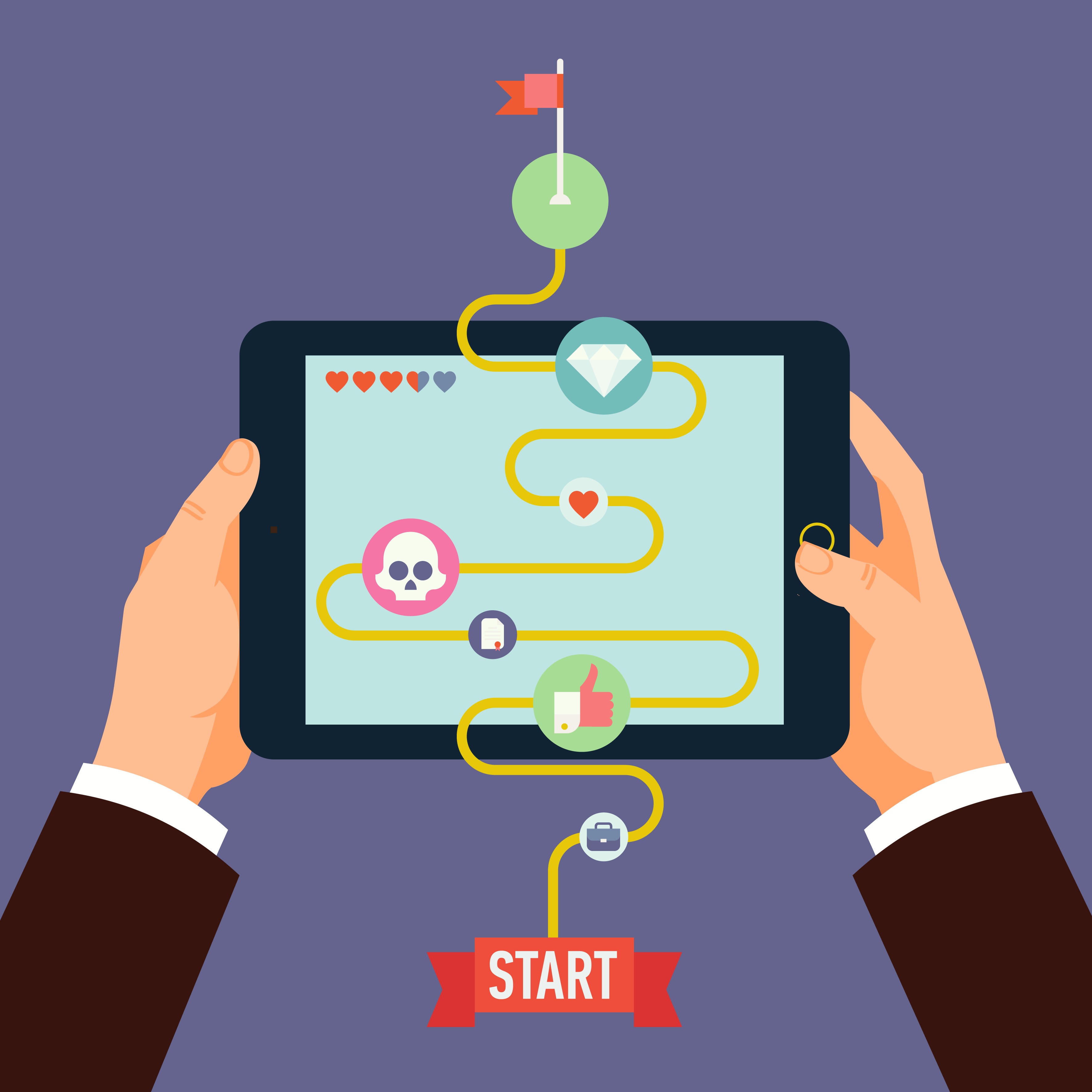
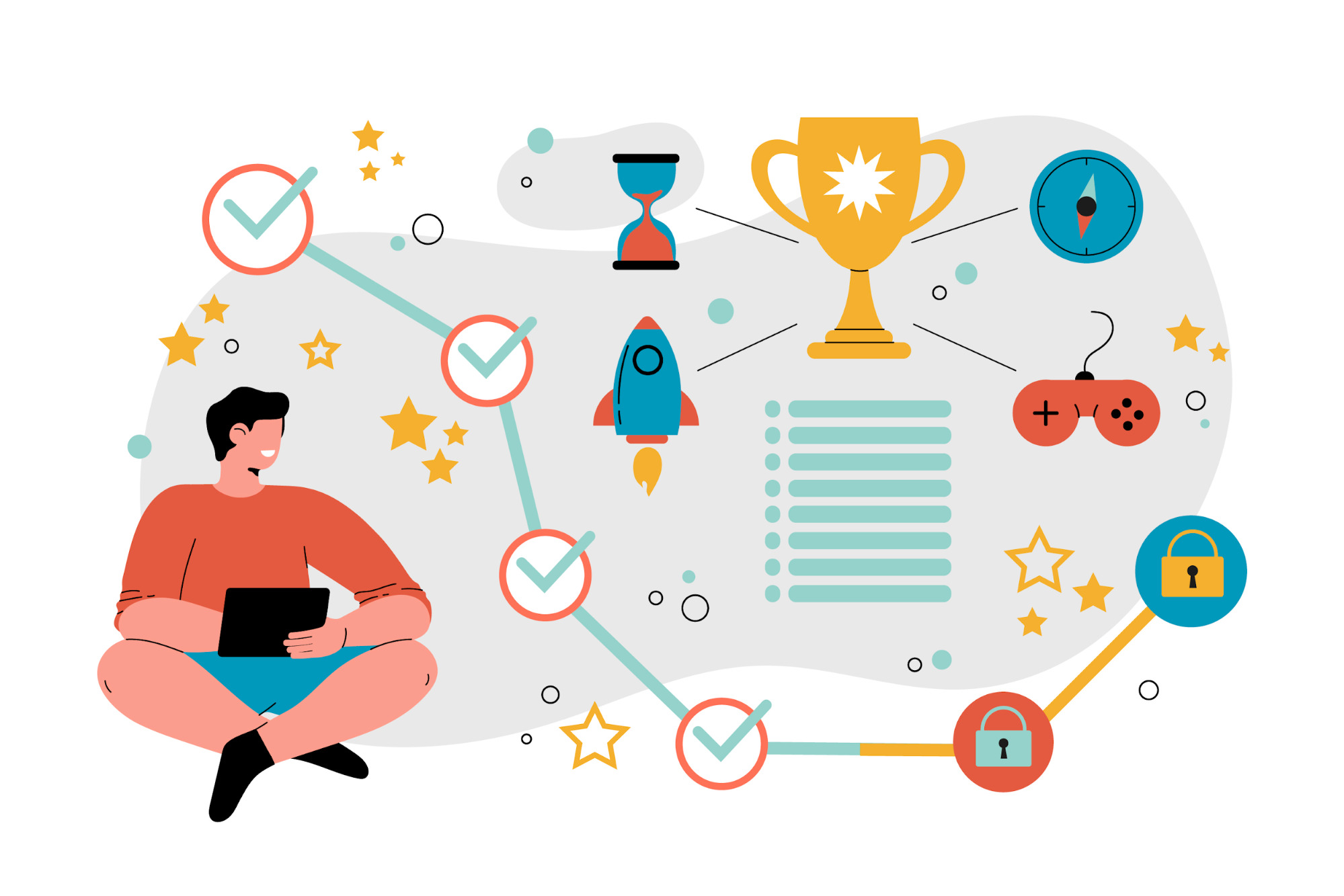
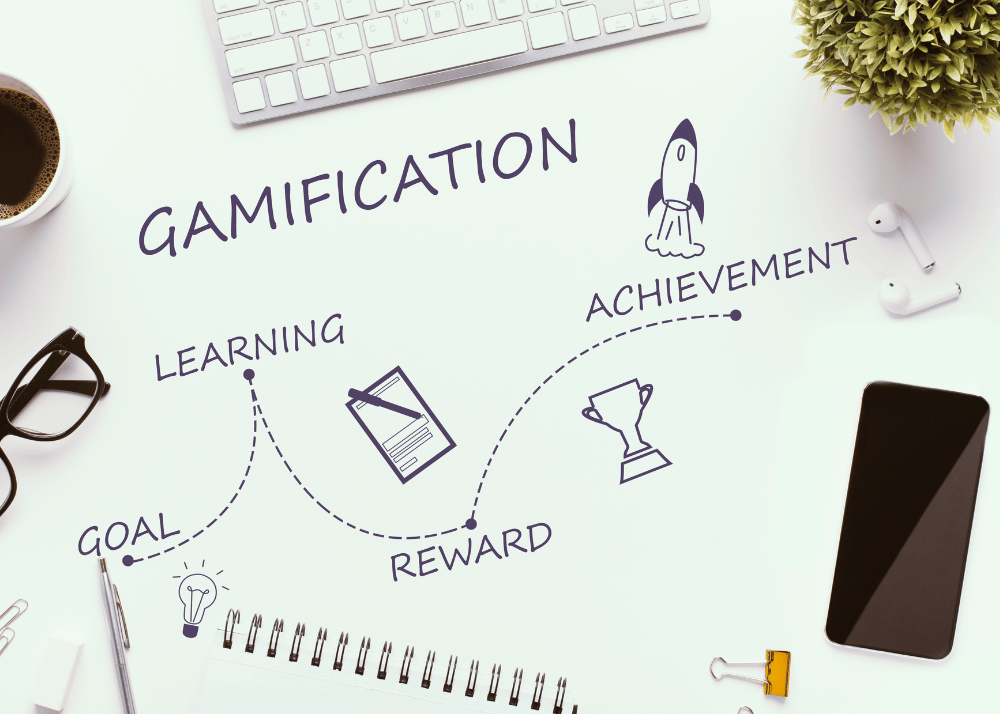
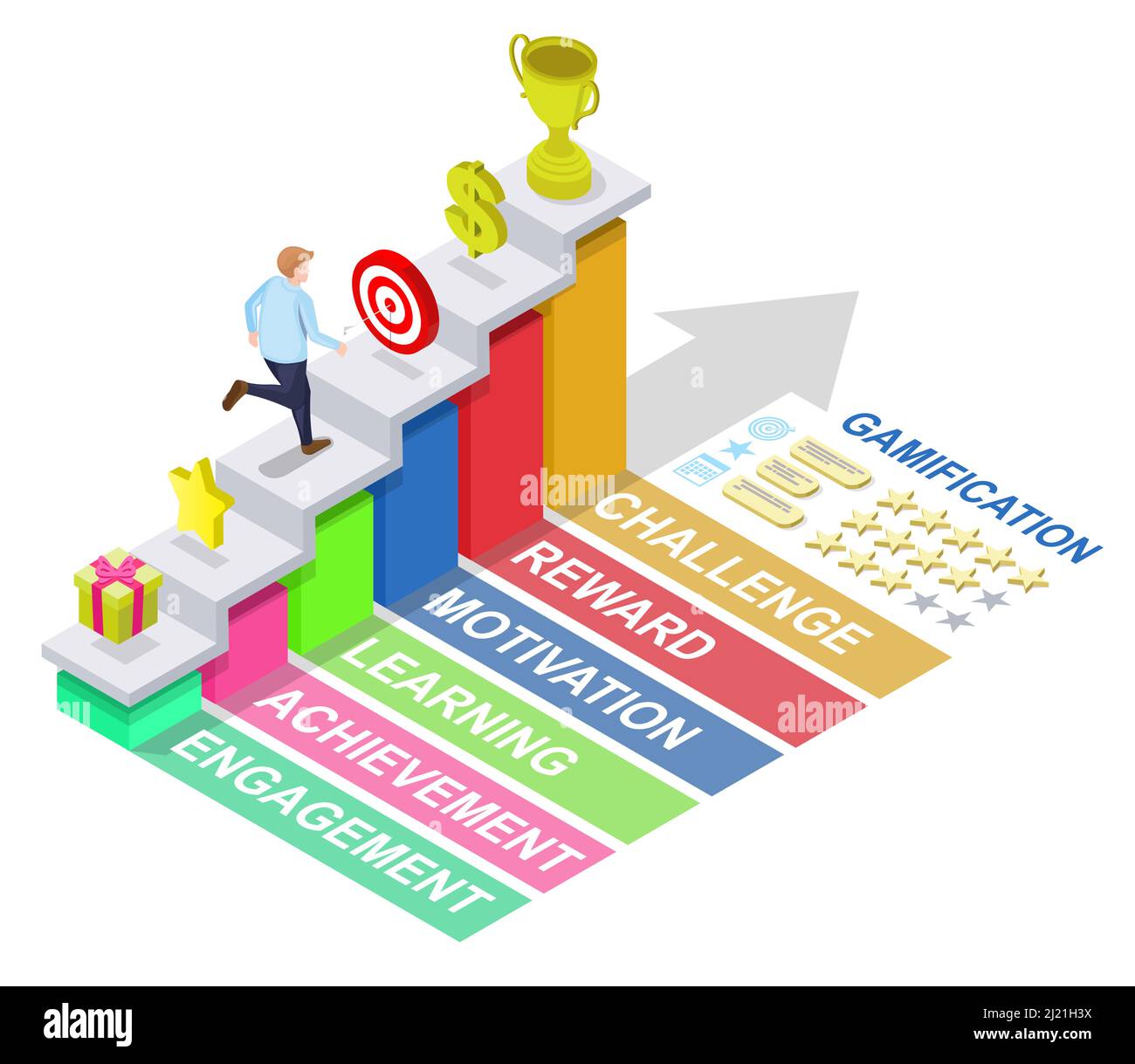
Gamification techniques use a range of methods to engage players, including competition and rewards for completing tasks. These rewards can take many forms, such as points, badges, levels, filling a progress bar, and narrative elements that create an engaging story around learning. By providing a sense of accomplishment and recognition, gamification encourages individuals to continue participating and improving.Examples of Gamification in Real-Life Settings
Gamification is not limited to the gaming industry; it has found its way into various sectors, including education, healthcare, and retail. Some notable examples of gamification in real-life settings include:- Education: Duolingo, a popular language-learning app, uses gamification to make learning a fun and engaging experience. By incorporating game-like elements, Duolingo has created a platform that encourages learners to practice consistently and track their progress.
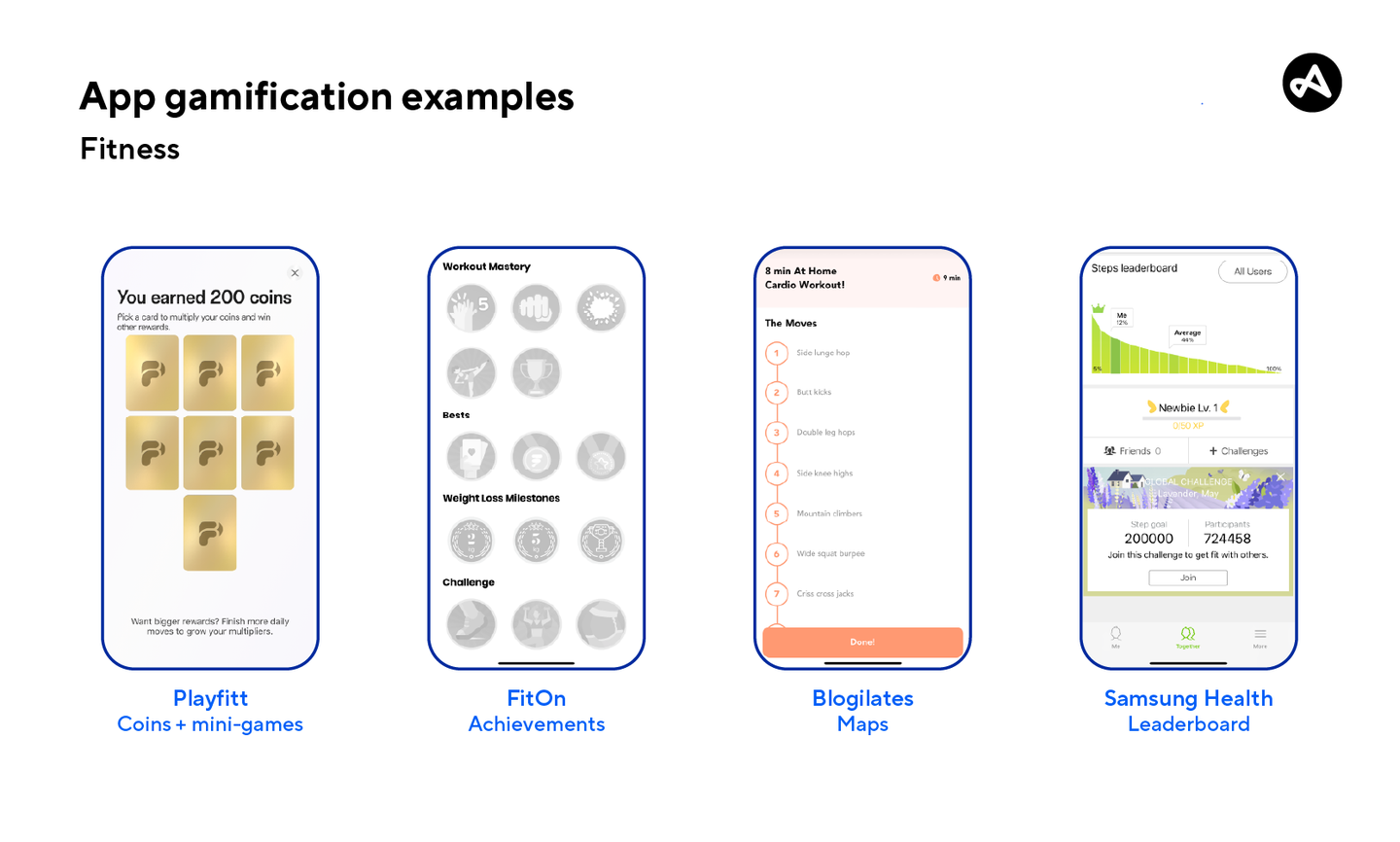
- Health and Wellness: Fitness apps like Fitbit and Strava use gamification to motivate users to stay active and maintain a healthy lifestyle. By setting goals, tracking progress, and earning rewards, these apps foster a sense of competition and achievement.
- Marketing and Retail: Loyalty programs and marketing campaigns have begun to adopt gamification to engage customers and increase loyalty. For instance, Starbucks rewards customers with points for purchasing specific products, encouraging them to continue buying from the company.
The Benefits of Gamification
Gamification offers numerous benefits, including:- Increased Engagement: By making learning and tasks more enjoyable, gamification increases participation and motivation.
- Improved Motivation: Gamification provides a sense of accomplishment and recognition, encouraging individuals to continue participating and improving.
- Better Retention: Gamification can lead to increased knowledge retention, as learners are more engaged and motivated to understand the material.
- Data Collection: Gamification provides valuable insights into user behavior and preferences, allowing for data-driven decision-making.

![What is Gamification? Definition, Examples & Key Strategies [2025]](https://alan.co.id/wp-content/uploads/2023/02/gamification.jpg "What is Gamification? Definition, Examples & Key Strategies [2025]")



 "Gamification: Data Reports 2026")