Getting to Sleep Quickly: Tips and Tricks for a Restful Night's Sleep
Are you tired of lying awake in bed for hours, tossing and turning, and wishing you could fall asleep quickly? You're not alone. Many of us struggle with insomnia and difficulty falling asleep, which can lead to fatigue, decreased productivity, and a range of other health problems. Fortunately, there are many techniques and strategies that can help you get to sleep quickly and improve the quality of your sleep.
Relaxation Techniques for Fast Sleep
Relaxation and breathing techniques, such as deep breathing, progressive muscle relaxation, and mindfulness meditation, can help calm your mind and body, making it easier to fall asleep. Regular practice of these techniques can also reduce stress and anxiety, which are common causes of insomnia. To try relaxation techniques, find a quiet and comfortable spot, sit or lie down, and focus on your breath or body sensations. You can also try guided meditation apps like Headspace or Calm to help you get started.
- Deep breathing: Inhale deeply through your nose, hold your breath for a few seconds, and exhale slowly through your mouth.
- Progressive muscle relaxation: Tense and relax different muscle groups in your body, starting with your toes and moving up to your head.
- Mindfulness meditation: Focus on the present moment, without judgment, and observe your thoughts and feelings as they arise.
Visualizing a Calming Scene
Visualizing a calm and relaxing scene, such as a peaceful beach or a serene forest, can help calm your mind and make it easier to fall asleep. To try this technique, close your eyes and imagine yourself in a peaceful environment. Use all of your senses to create a vivid mental picture, including what you see, hear, smell, and feel. You can also try to focus on the sensation of the scene, such as the feeling of the sand between your toes or the sound of waves crashing.
Improving Sleep Hygiene

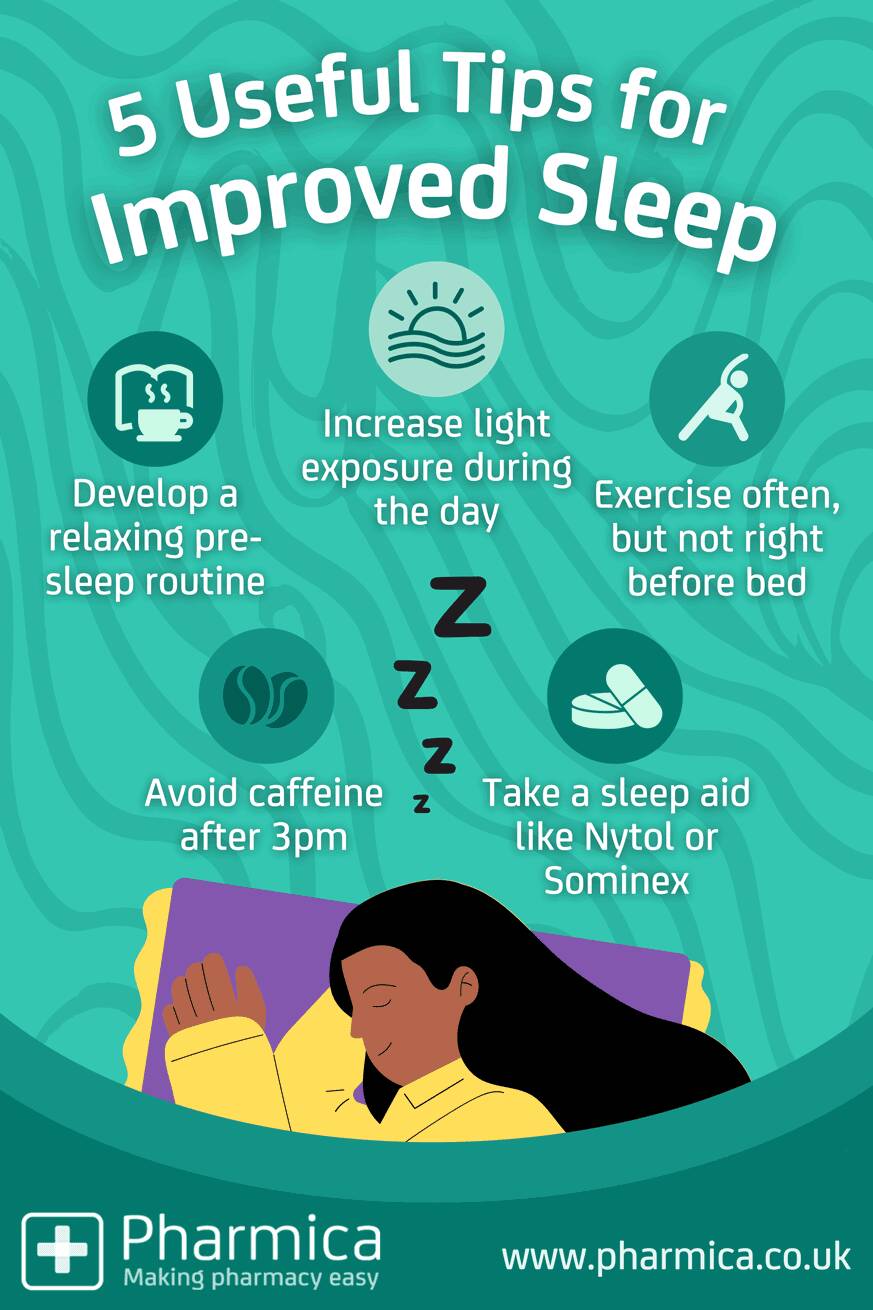
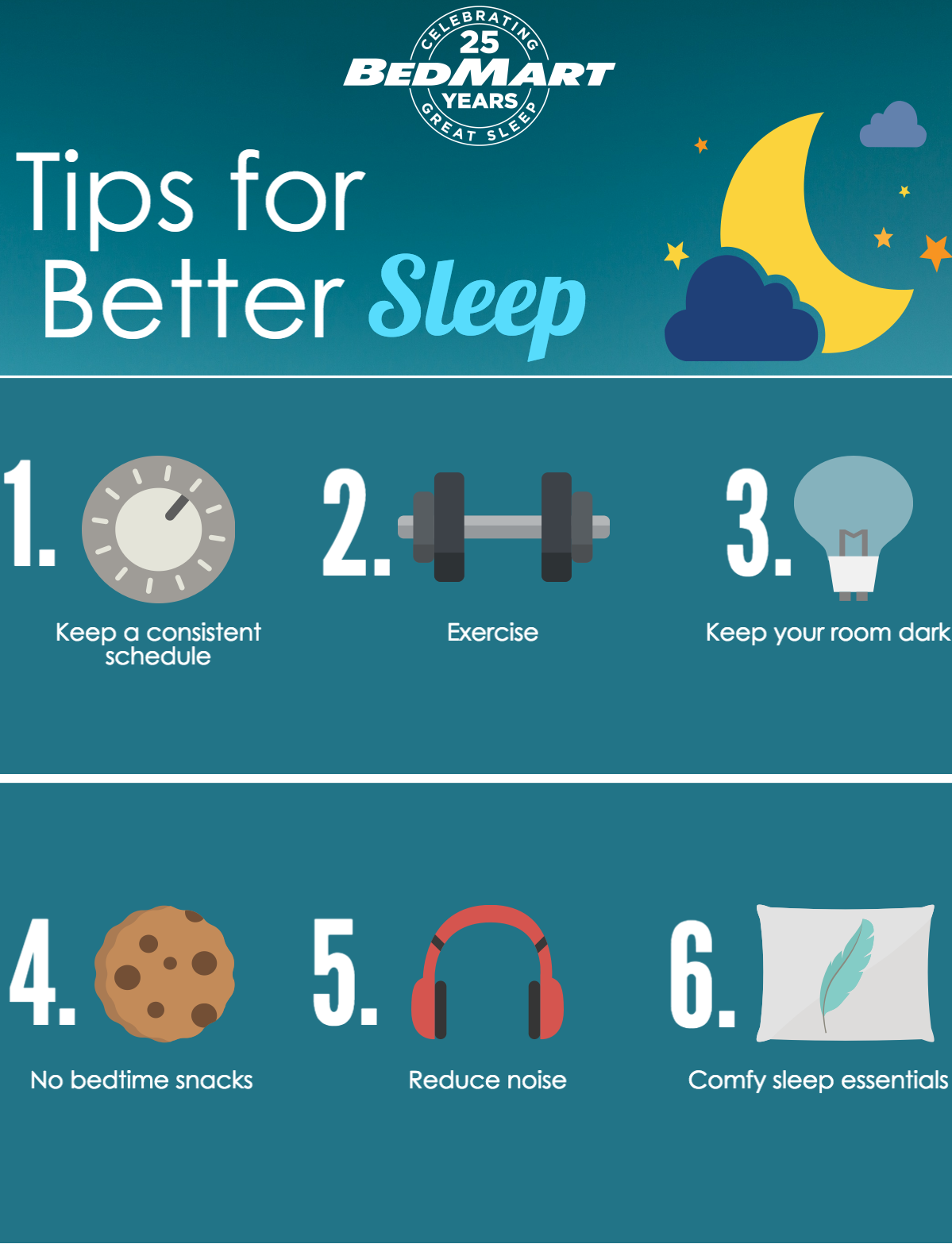
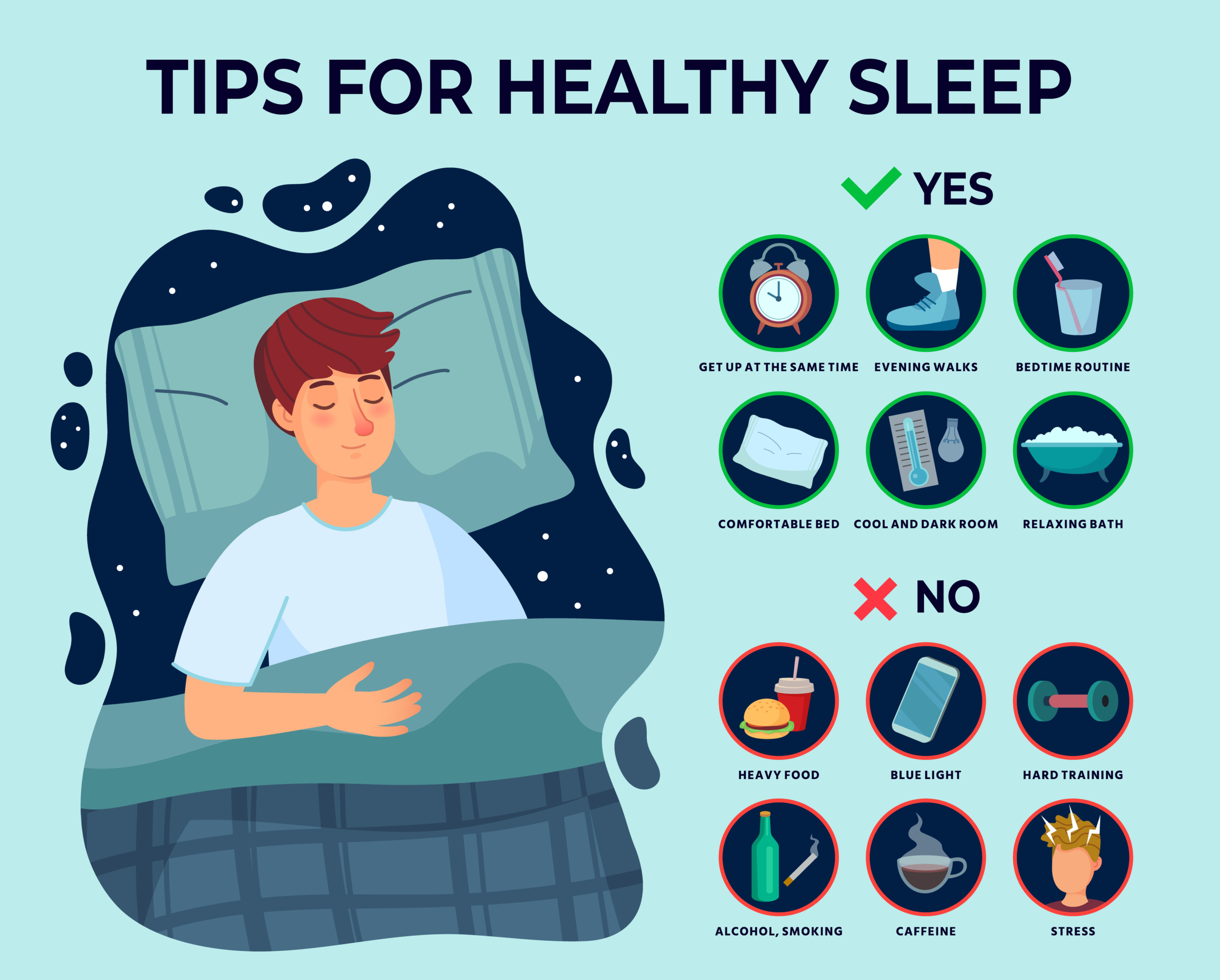
Good sleep hygiene is essential for falling asleep quickly and getting a good night's sleep. To improve your sleep hygiene, establish a consistent sleep schedule, avoid caffeine and electronics before bedtime, and create a relaxing bedtime routine. You should also avoid napping during the day, as this can interfere with your ability to fall asleep at night.
- Establish a consistent sleep schedule: Go to bed and wake up at the same time every day, including weekends.
- Avoid caffeine and electronics before bedtime: Try to avoid caffeine, phones, and other electronic devices for at least an hour before bedtime.
- Create a relaxing bedtime routine: Develop a calming pre-sleep routine, such as reading a book or taking a warm bath.
Natural Sleep Aids and Remedies
Natural sleep aids and remedies can also help you get to sleep quickly and improve the quality of your sleep. Some options include melatonin supplements, herbal teas like chamomile and valerian root, and essential oils like lavender and jasmine. You can also try relaxation techniques like yoga and progressive muscle relaxation, or use a white noise machine or earplugs to block out distracting sounds.
- Melatonin supplements: Take a melatonin supplement about 30 minutes before bedtime to help regulate your sleep-wake cycle.
- Herbal teas: Try a calming herbal tea, such as chamomile or valerian root, before bedtime.
- Essential oils: Use a diffuser or apply a few drops of lavender or jasmine essential oil to your pillowcase or skin.
Conclusion
Falling asleep quickly and getting a good night's sleep is essential for overall health and well-being. By incorporating relaxation techniques, visualizing a calming scene, and improving sleep hygiene, you can improve your ability to fall asleep quickly and wake up feeling rested and refreshed. Natural sleep aids and remedies can also be helpful, so don't be afraid to try new options to find what works best for you.