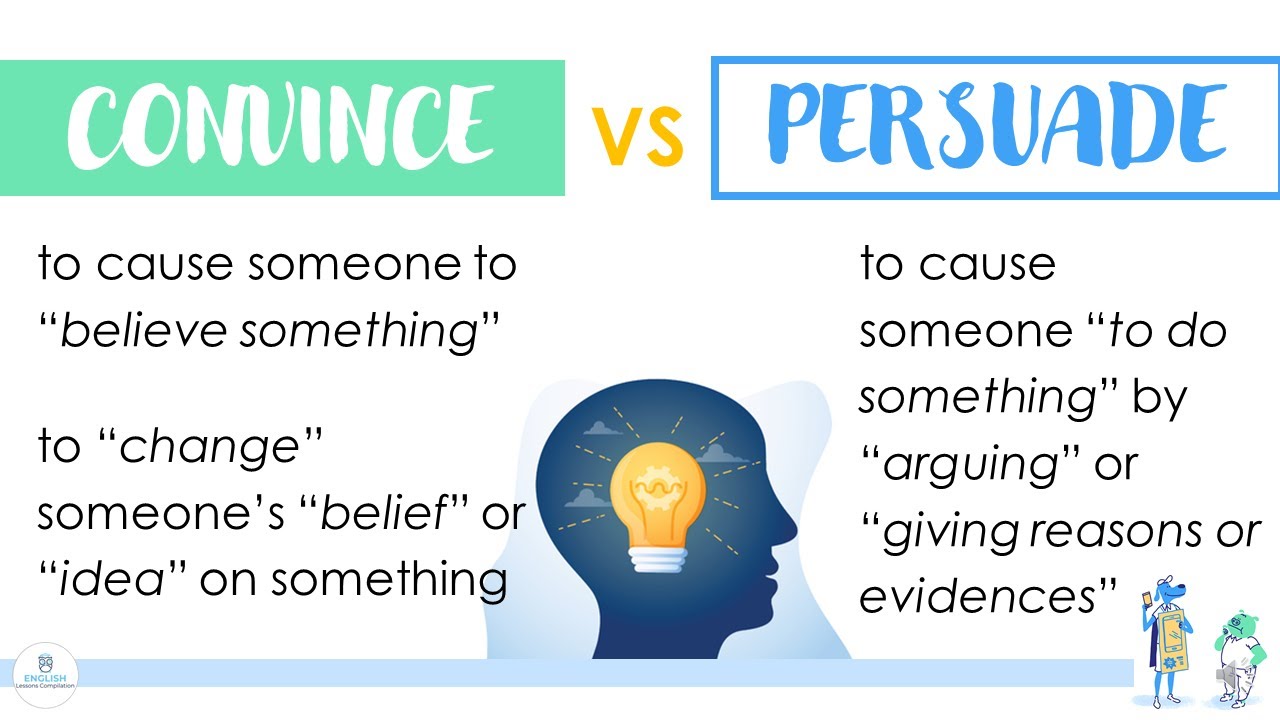
How to Convince a Phuber to Quit: A Guide for Empathetic Leaders
Are you struggling to deal with a team member who's consistently ignoring others in favor of their phone? Phubbing can be a significant issue in the workplace, affecting productivity, communication, and overall morale. In this article, we'll explore how to convince a phuber to quit, while maintaining a positive and empathetic approach.
Understanding Phubbing
Phubbing, also known as "phone snubbing," refers to the behavior of ignoring someone in favor of your cell phone. This can include checking social media, responding to messages, or engaging in other phone-related activities during social interactions. Phubbing can be detrimental to relationships and mental health, leading to feelings of isolation, anxiety, and depression.
The Impact of Phubbing on the Workplace
In the workplace, phubbing can lead to decreased productivity, poor communication, and a lack of teamwork. Phubbers may appear distracted, inattentive, and unengaged, which can negatively impact their performance and relationships with colleagues. As a leader, it's essential to address phubbing in a constructive and empathetic manner, rather than simply firing or disciplining the phubber.
Why Convince a Phuber to Quit?
Convincing a phuber to quit may seem counterintuitive, but it can be a strategic move for both the individual and the organization. By addressing phubbing and promoting healthier work habits, you can create a more positive and productive work environment. Phubbers may benefit from quitting their habit, as it can improve their relationships, mental health, and overall job satisfaction.
Steps to Convince a Phuber to Quit
1. Identify the Signs of Phubbing
Recognize the signs of phubbing, such as excessive phone use during social interactions, constant notifications, or a general lack of engagement. Be aware that phubbing can manifest in different ways, so it's essential to observe and understand the behavior.
2. Communicate Your ConcernsOpenly discuss your concerns with the phubber, focusing on the impact of their behavior on the team and the organization. Be empathetic and specific, avoiding general statements or accusations. Use "I" statements to express your feelings and avoid blaming the phubber.
3. Set Boundaries and Expectations
Establish clear boundaries and expectations for phone use during work hours. Develop a phone-free policy or implement technology rules to promote healthier work habits. Ensure all team members understand and respect these expectations.

4. Foster a Positive Work Environment
Create a positive and inclusive work environment that encourages teamwork, communication, and engagement. Foster open relationships, promote work-life balance, and offer opportunities for growth and development.
5. Provide Support and Resources
Offer support and resources to help the phubber address their behavior. This may include workshops, training sessions, or individual coaching. Encourage the phubber to seek help from a mental health professional if needed.
6. Develop a Termination Plan
If the phubber refuses to quit their habit, develop a termination plan. This should include a clear understanding of the termination process, any applicable laws or regulations, and a plan for replacing the phubber.
7. Follow Up and Evaluate
Regularly follow up with the phubber to evaluate their progress. Assess the effectiveness of the steps taken and make adjustments as needed. Remember that quitting phubbing is a process, and it may take time.
Conclusion
Convincing a phuber to quit requires a empathetic and strategic approach. By understanding the impact of phubbing, communicating your concerns, setting boundaries, fostering a positive work environment, providing support, developing a termination plan, and following up, you can create a healthier and more productive workplace.
Additional Tips
- Avoid blaming or shaming the phubber, as this can create defensiveness and hostility.
- Be patient and understanding, as quitting phubbing can be a challenging process.
- Foster a culture of open communication and feedback to ensure the phubber feels supported and encouraged.
- Consider offering incentives or rewards for team members who demonstrate healthy phone use habits.
- Develop a comprehensive training program to educate employees on the effects of phubbing and strategies for quitting.