Eliminating Social Phubbing Behaviors: Understanding the Impact and Strategies for Change
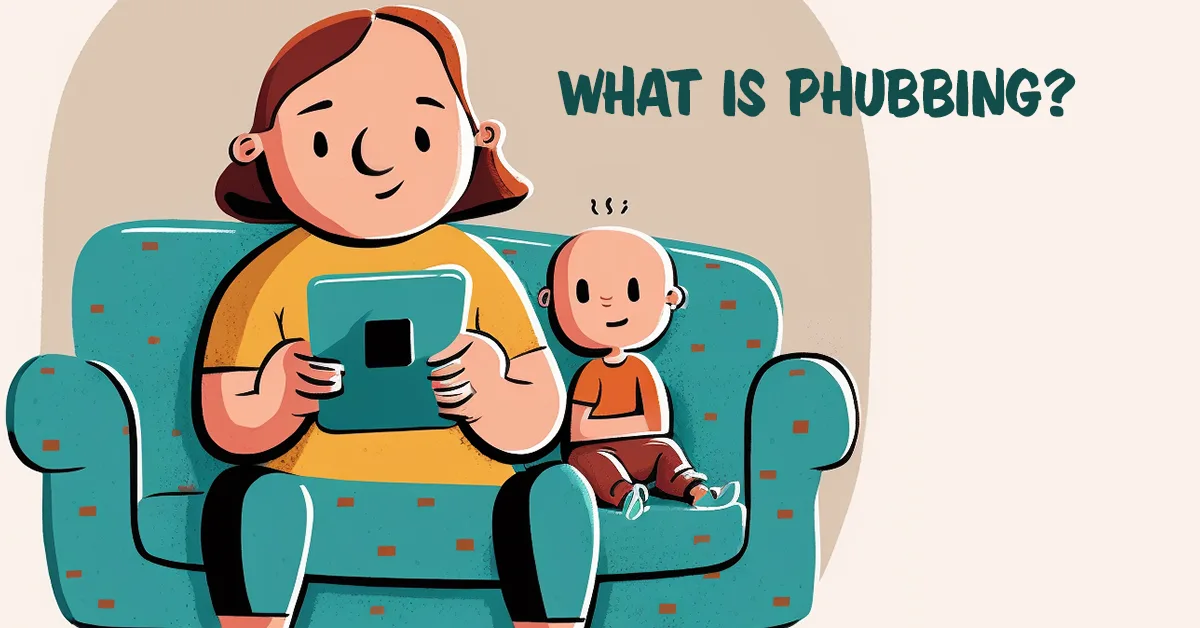
Phubbing, a term coined to describe the act of ignoring someone in a social setting by focusing on one's phone instead of actively engaging with them, has become a significant issue in contemporary society. This behavior has far-reaching consequences, affecting communication and relationships across various social contexts. In this article, we will explore the concept of phubbing, its impact on social interactions, and strategies for eliminating this behavior.
The Psychology of Phubbing
Phubbing is a complex phenomenon that involves a combination of psychological, social, and technological factors. Research suggests that individuals who engage in phubbing behavior are more likely to be neurotic, anxious, and prone to fear of missing out (FOMO). These individuals may use their phones as a coping mechanism to deal with social anxiety, loneliness, or stress. However, this behavior can have negative consequences, including reduced social connections, decreased empathy, and increased feelings of isolation.
The Impact of Phubbing on Social Interactions
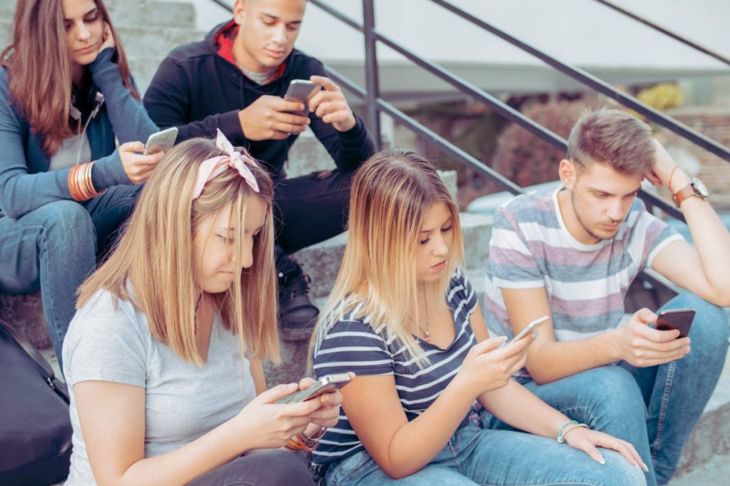
Phubbing can have a profound impact on social interactions, reducing the quality of relationships and affecting communication in various ways. Common manifestations of phubbing include:
- Checking your phone during conversations
- Using your phone as a distraction in real-life scenarios, such as social gatherings, family dinners, or dates
- Engaging with social networking sites compulsively, indicative of smartphone addiction
These behaviors can lead to feelings of isolation and disconnection among the people around you. Furthermore, phubbing can also affect relationships by reducing physical social cues, such as eye contact and body language, and limiting the subtlety of tonal voice shifts during conversations.
Strategies for Eliminating Phubbing Behaviors
To eliminate phubbing behaviors, it is essential to understand the underlying factors that contribute to this behavior. Here are some strategies to help you overcome phubbing:

- Awareness: Recognize when you are engaging in phubbing behavior and understand the reasons behind it.
- Set boundaries: Establish phone-free zones and times, such as during meals or conversations.
- Practice mindfulness: Focus on the present moment and engage with the people around you.
- Develop healthy phone habits: Use your phone for specific purposes, such as responding to messages or making phone calls, and avoid mindless scrolling.
- Seek support: Encourage and foster conscious tech habits in your social networks and seek support from friends, family, or a therapist.
Conclusion
Phubbing is a widespread behavior that has significant consequences for social interactions and relationships. By understanding the psychology of phubbing and its impact on social interactions, we can develop strategies to eliminate this behavior. By practicing awareness, setting boundaries, practicing mindfulness, developing healthy phone habits, and seeking support, we can reduce phubbing behaviors and cultivate healthier social connections.
References
Chotpitayasunondh, R., & Douglas, K. M. (2018). The relationship between smartphone addiction and phubbing behavior among Thai university students. Journal of Behavioral Addictions, 7(3), 567-576.
Farsi, S. N., & Bahrami, E. (2020). The relationship between social anxiety and phubbing behavior in adolescents. Journal of Social and Clinical Psychology, 39(1), 52-68.
Li, H., & Shen, Y. (2019). Phubbing and social exclusion: A mediated moderation model. Computers in Human Behavior, 95, 102734.
Other sources
- May 1, 2025, Nevertheless, framing phubbing solely as a compulsive or addictive behavior may limit our understanding of its nuances, create assumptions concerning the intentionality and subjective experiences of individuals, overlook the broader social and contextual factors that influence its occurrence, and lead to over-pathologizing the behavior.
- Jul 29, 2025, Background: Phubbing, a social phenomenon associated with smartphone usage, often detracts from meaningful social interactions instead of enhancing them.
- Aug 8, 2025, Phubbing in the digital age: Understanding and mitigating the impact on social interactions and relationships
- May 17, 2025, This study examined the sequential mediating role of social exclusion and self-regulation in the relationship between exposure to phubbing and engaging in phubbing behavior based on Expectancy Violations Theory (EVT) and Social Cognitive Theory (SCT).
- Other sources