How to Get a Job in a Logistics Industry: A Comprehensive Guide
The logistics industry is a vast and exciting field that offers a wide range of job opportunities for individuals with diverse skills and backgrounds. If you're looking to start a career in logistics, this guide will walk you through the essential steps to help you get a job in this industry.
Step 1: Understand the Logistics Industry
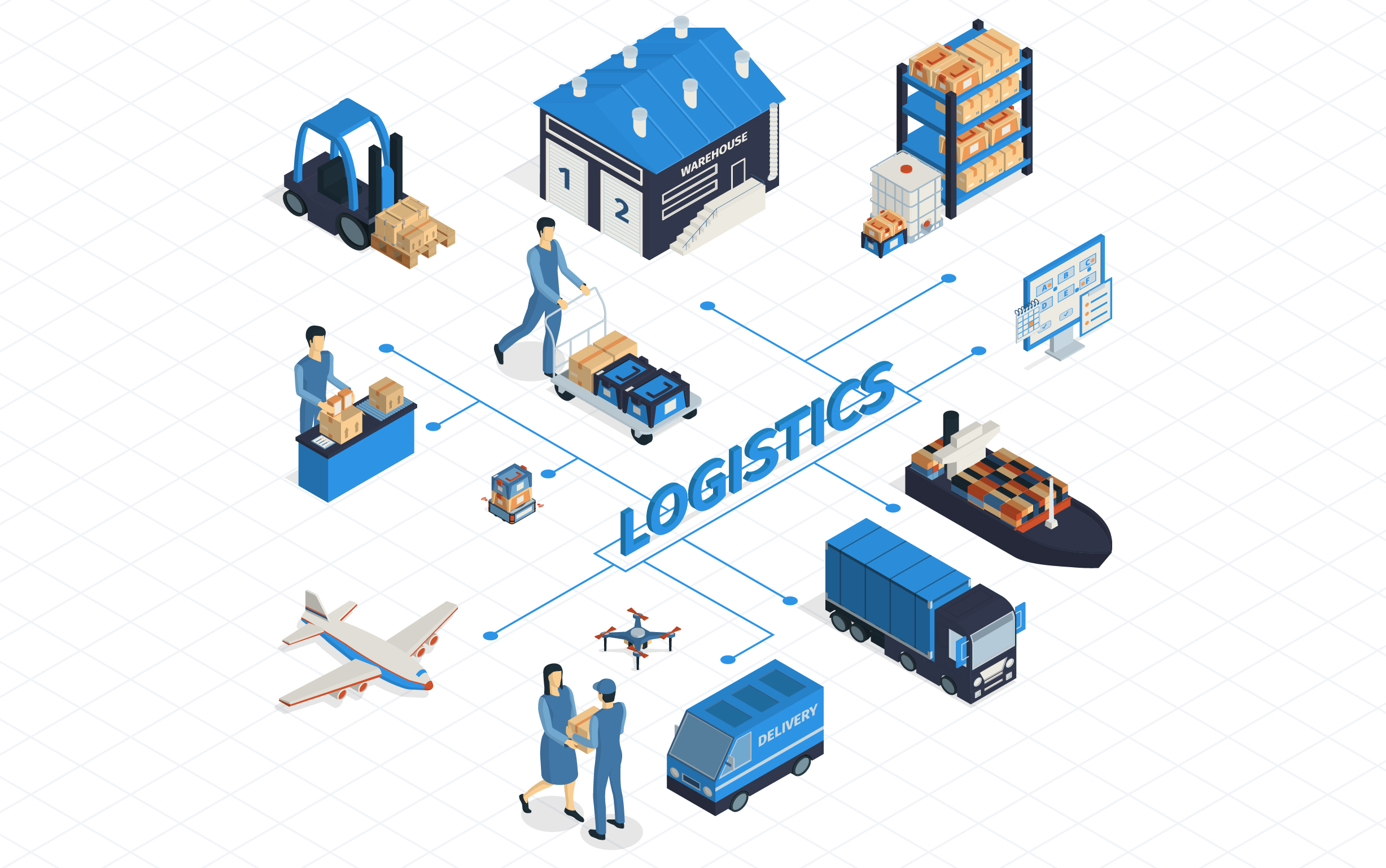
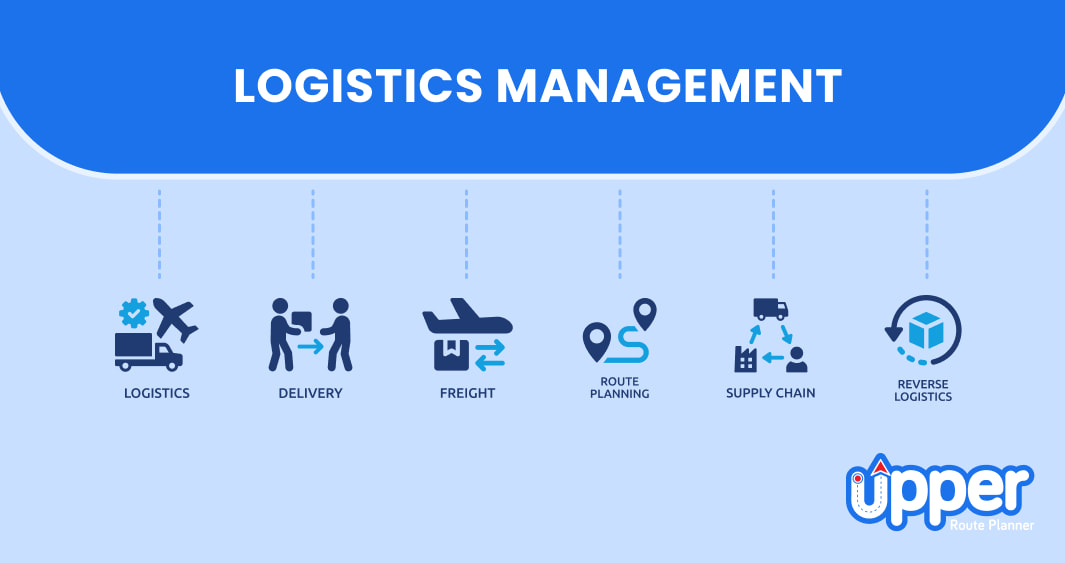
The logistics industry is responsible for the transportation and storage of goods, as well as the coordination of supply chain operations. It involves managing the movement of goods from one place to another, ensuring that they are delivered to the right place at the right time. The logistics industry is a critical component of the global economy, and it offers a wide range of job opportunities for individuals with skills in areas such as transportation, warehousing, and supply chain management.
Step 2: Develop Key Skills
To get a job in the logistics industry, you'll need to develop key skills such as:
- Communication and problem-solving skills
- Attention to detail and organizational skills
- Ability to work under pressure and meet deadlines
- Basic computer skills and knowledge of logistics software
- Knowledge of transportation regulations and laws
Step 3: Get Educated and Trained
To succeed in the logistics industry, you'll need to get educated and trained in areas such as:
- Logistics and supply chain management
- Transportation and warehousing
- Global logistics and international trade
- Logistics and transportation technology
You can get educated and trained through:
- Associate's or bachelor's degree programs in logistics or supply chain management
- Online courses and certifications in logistics and supply chain management
- Industry-specific training and certifications
Step 4: Gain Practical Experience
To get a job in the logistics industry, you'll need to gain practical experience through internships, volunteer work, or entry-level positions. This will help you develop hands-on skills and build your professional network.
Step 5: Network and Build Relationships
Networking and building relationships are critical components of getting a job in the logistics industry. Attend industry events, join professional organizations, and connect with professionals in the industry to build relationships and learn about job opportunities.
Step 6: Consider Specializing

Consider specializing in a specific area of the logistics industry, such as:
- Freight forwarding
- Supply chain management
- Transportation management
- Warehousing and distribution
This will help you stand out in the job market and increase your chances of getting hired.
Step 7: Prepare Your Resume and Cover Letter
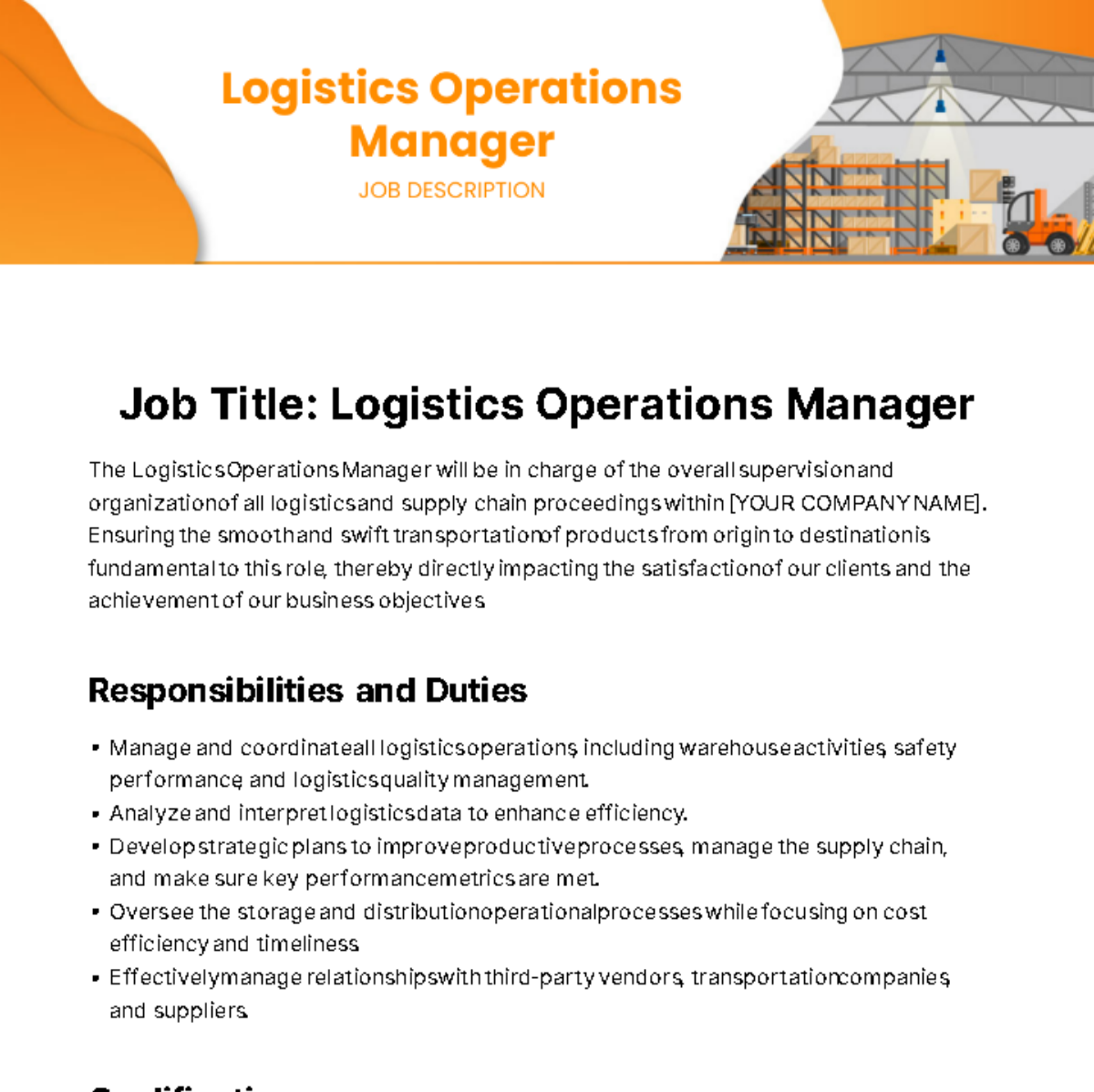
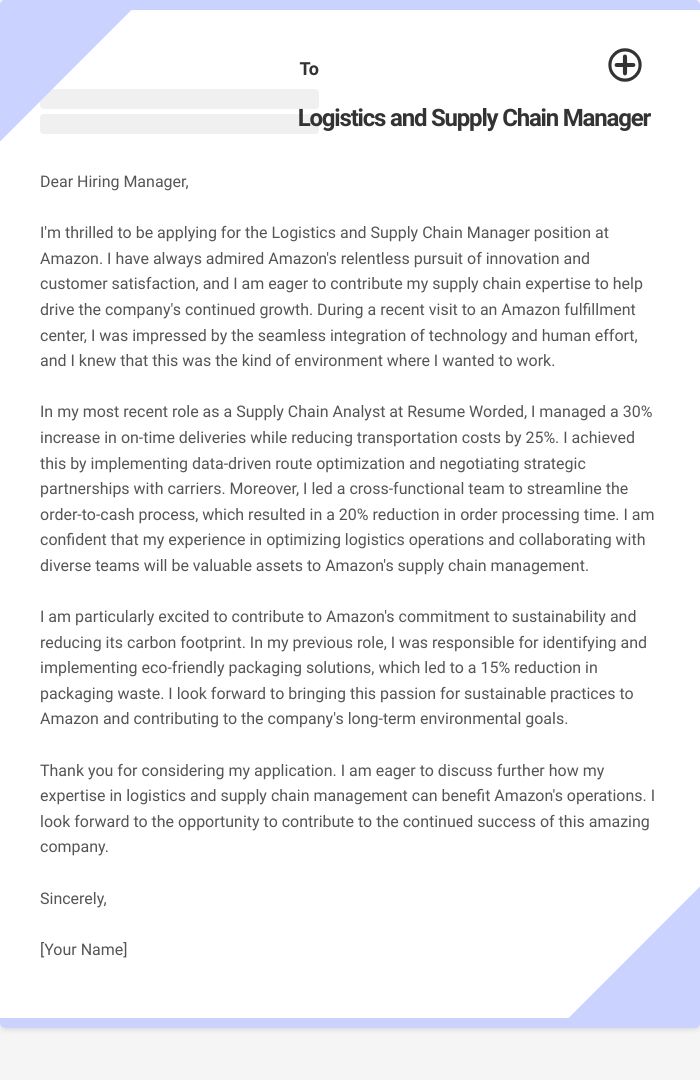
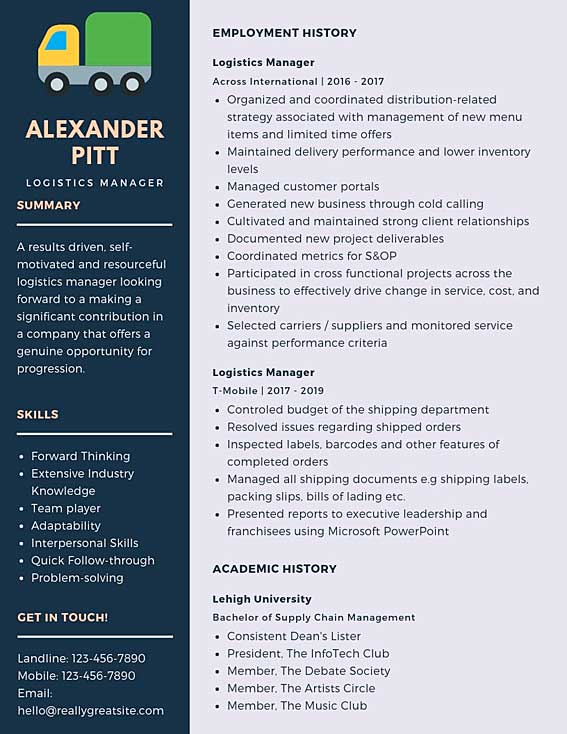
To get a job in the logistics industry, you'll need to prepare a strong resume and cover letter that highlights your skills, education, and experience. Tailor your resume and cover letter to each job application, and be sure to include keywords and phrases relevant to the industry.
Conclusion
Getting a job in the logistics industry requires education, training, and practical experience. By following these steps, you'll be well on your way to launching a successful career in this exciting and dynamic industry. Remember to stay adaptable, be open to learning, and always be willing to take on new challenges.
High-Paying Logistics Jobs
According to Indeed, there are 21 high-paying logistics jobs, including:
- Logistics Manager: $115,000 per year
- Supply Chain Manager: $120,000 per year
- Transportation Manager: $90,000 per year
- Logistics Coordinator: $60,000 per year
- Warehouse Manager: $70,000 per year
These jobs offer competitive salaries and opportunities for advancement, making the logistics industry a great career choice for those looking for stability and growth.
Industry Resources
Here are some industry resources to help you get started:
- Council of Supply Chain Management Professionals (CSCMP)
- International Air Transport Association (IATA)
- International Federation of Freight Forwarders Associations (FIATA)
- World Customs Organization (WCO)
These organizations offer a wealth of information, training, and networking opportunities to help you succeed in the logistics industry.