How to Get Water Out of Your Ear: A Comprehensive Guide
Getting water in your ear can be a frustrating and uncomfortable experience, especially after a relaxing afternoon in the pool or a refreshing shower. If you've ever found yourself asking what someone said because you couldn't hear them due to water trapped in your ear, you're not alone. Fortunately, there are several safe and effective ways to clear out your ear canal and prevent infection.
Why Is It a Big Deal?
Water staying trapped in your ear for too long can lead to infection, and in severe cases, even hearing loss. It's essential to learn how to remove water from your ear canal safely and effectively to avoid these complications.
Causes of Water Trapped in the Ear
- Swimming or bathing in chlorinated water
- Exposure to high-pressure water jets, such as those from fountains or water slides
- Going underwater too quickly
- Not drying your ears properly after showering or bathing
How to Get Water Out of Your Ear
Method 1: Yawning or Popping Your Ears
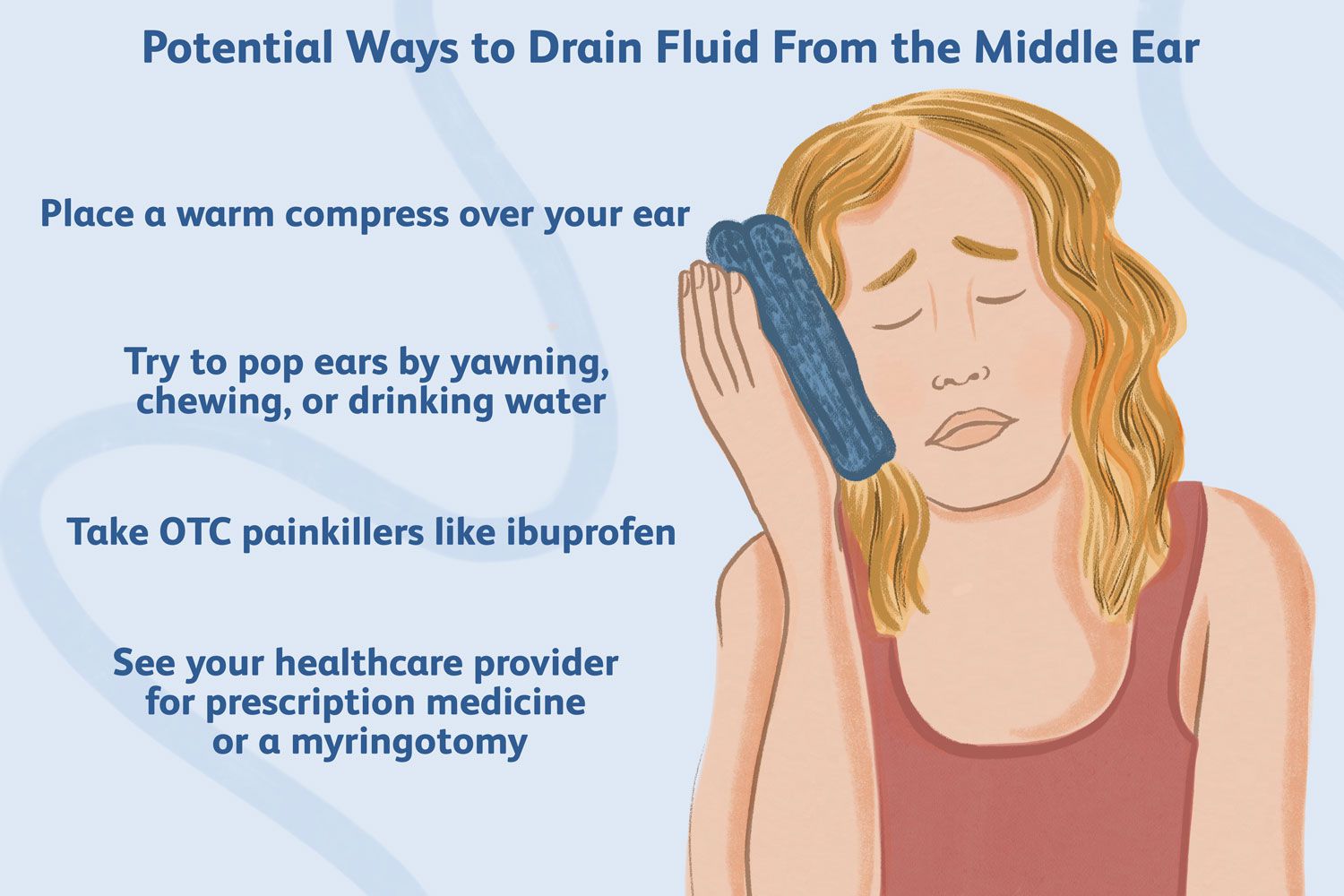
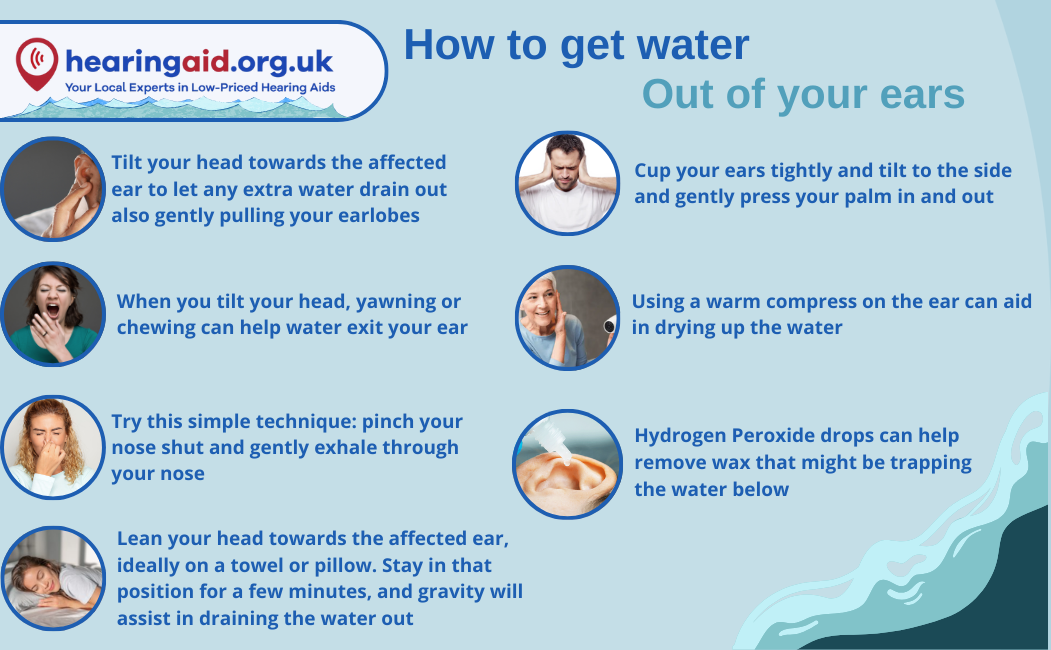
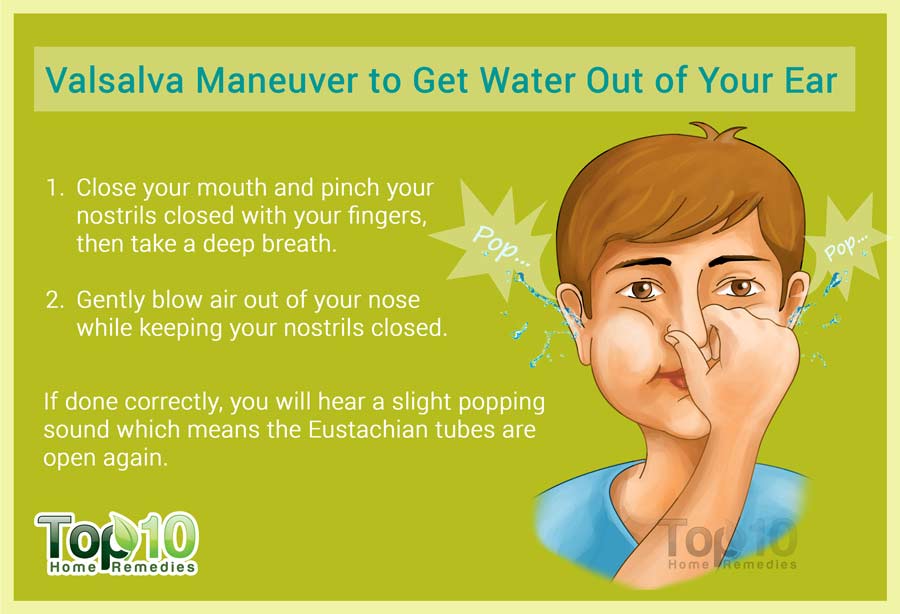
Gently tilting your head to the side and yawning can help open up the Eustachian tube, allowing the water to drain out. If this doesn't work, try holding your nose closed and blowing gently while your head is tilted. This can also help open up the tube and release the trapped water.
Method 2: Using a Hair Dryer or Warm Compress
Direct a warm, gentle breeze from a hair dryer into the affected ear to help loosen and dry out the trapped water. Alternatively, you can try applying a warm compress to the affected ear to reduce pain and discomfort.
Method 3: Ear Drops or Ointments
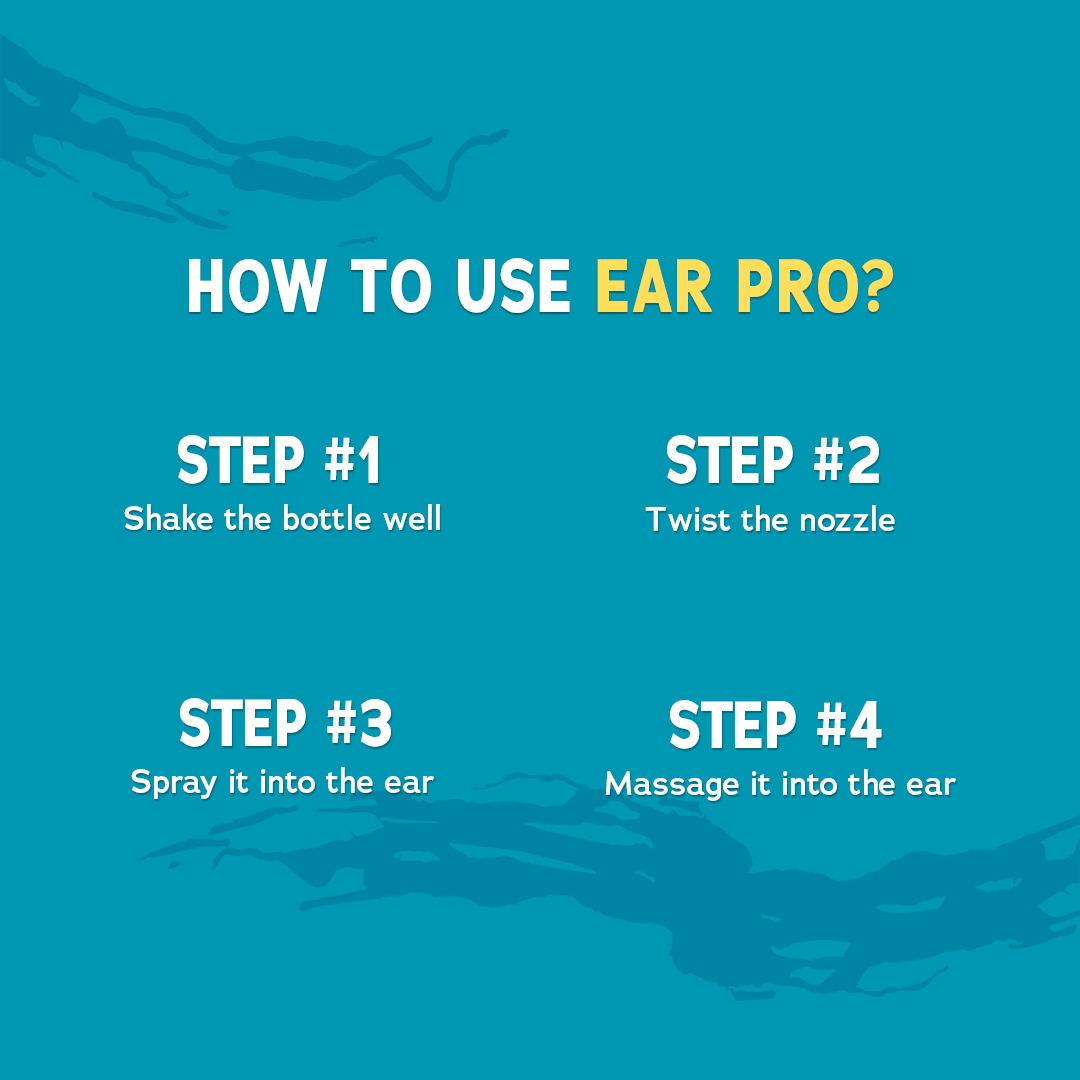
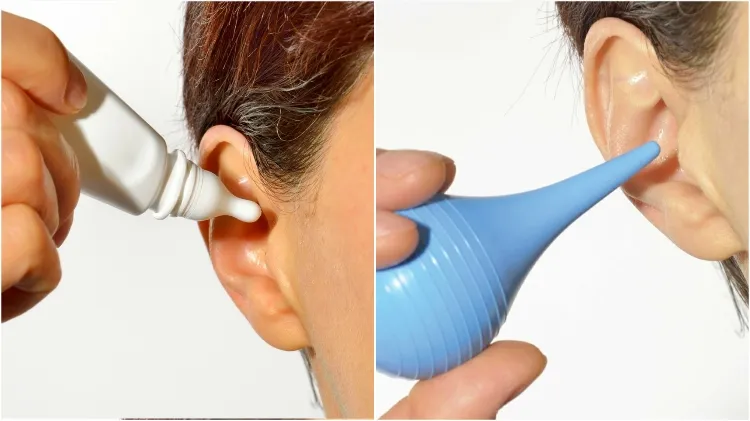
Over-the-counter ear drops or ointments can help to dry out the ear canal and loosen trapped water. However, be sure to follow the instructions carefully and avoid using these products too frequently, as they can potentially damage the ear canal.
Prevention is Key
Preventing water from getting trapped in your ear in the first place is always the best approach. Here are some tips to help you keep your ears dry and healthy:
- Wear earplugs or ear protection when swimming or engaging in water activities
- Dry your ears thoroughly after showering or bathing
- Avoid sticking objects, such as Q-tips or fingers, into your ears
- Use a mixture of 1 part white vinegar to 1 part rubbing alcohol to help promote drying and prevent bacterial growth
When to See a Doctor
If you experience any of the following symptoms, it's essential to seek medical attention:
- Severe ear pain or discomfort
- Discharge or pus from your ear
- Difficulty hearing or a feeling of fullness in your ear
- Fever or chills
Remember, preventing water from getting trapped in your ear is always better than trying to remove it after the fact. By learning how to safely and effectively clear out your ear canal, you can enjoy the water without worrying about the potential consequences.